
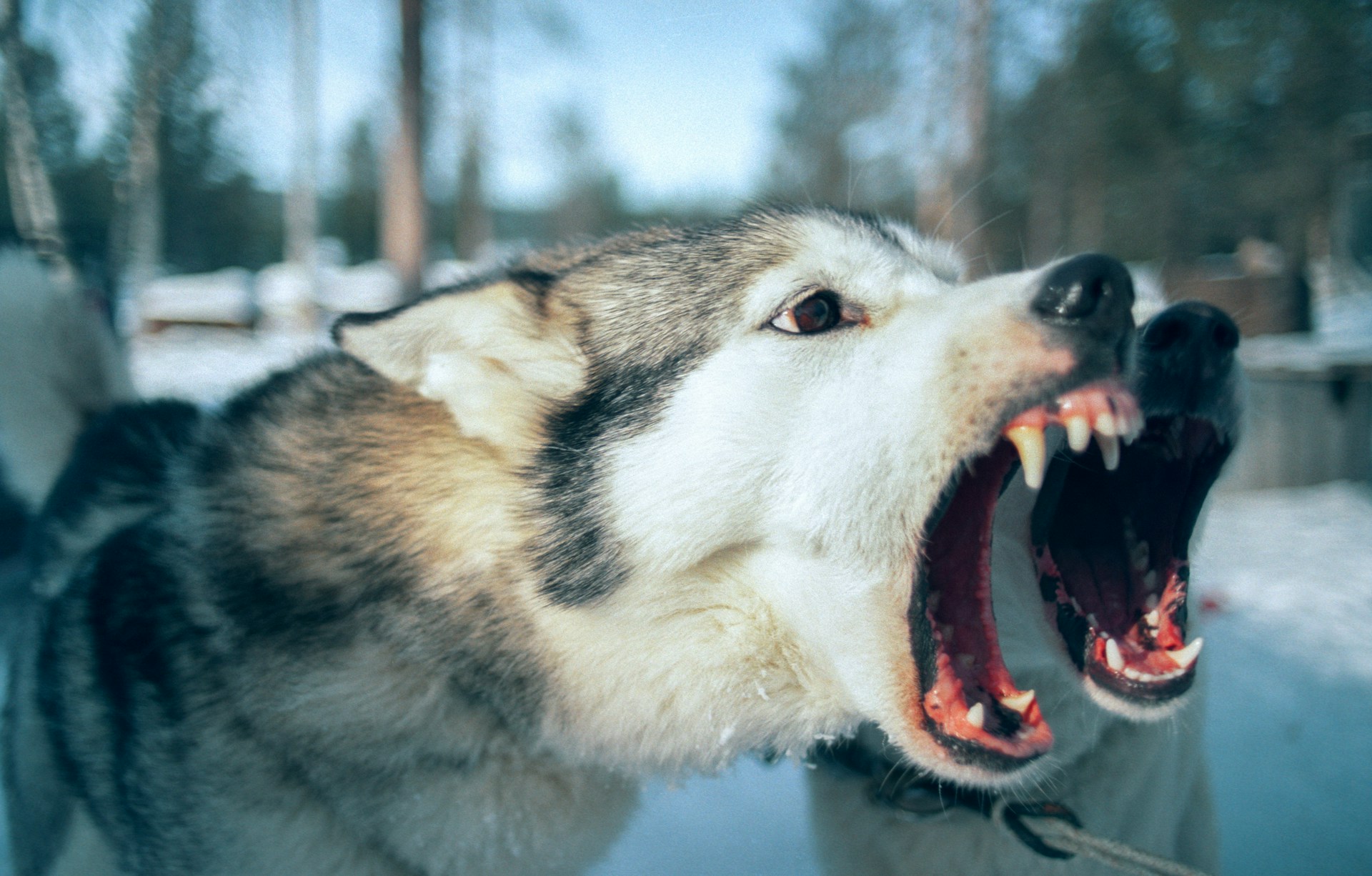
Learn what makes a dog dangerous, common risky breeds, and safety tips to prevent attacks while promoting responsible ownership and safe coexistence.
Dogs are often referred to as man’s best friend, providing companionship, protection, and emotional support. However, not all dogs pose the same level of risk. Some dogs, due to their breed, size, temperament, or training, can be classified as dangerous dogs.
Definition of a Dangerous Dog
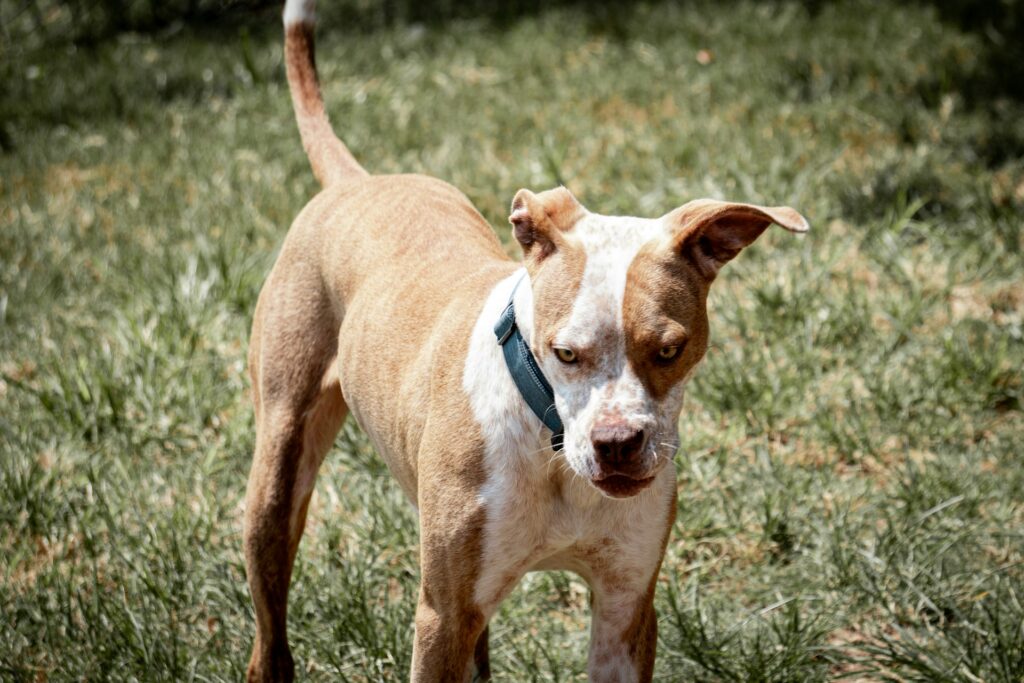
A dangerous dog is generally defined as a dog that has a history of aggressive behavior or poses a significant risk to humans or other animals. Aggressive behavior may include:
- Biting or attempting to bite without provocation
- Attacking other animals
- Exhibiting threatening behavior such as growling, lunging, or snapping
Different countries and regions have legal definitions of dangerous dogs, which often influence ownership regulations, licensing, and containment requirements.
Factors That Make a Dog Dangerous
While behavior varies with individual dogs, several factors contribute to the likelihood of aggression:
1. Breed Tendencies
Some dog breeds are more predisposed to aggressive behavior due to their genetic history. For example, breeds historically used for guarding, protection, or fighting may have higher bite force and protective instincts.
2. Poor Socialization
Dogs that are not properly socialized during their early stages of life may fear humans or other animals, leading to aggressive responses.
3. Abuse or Neglect
Dogs that have experienced abuse, neglect, or trauma may develop behavioral issues that make them prone to aggression.
4. Health and Pain
Illness or injury can cause sudden aggression. Dogs in pain may bite when touched or approached.
5. Lack of Training
Untrained dogs, especially large breeds, may not respond to commands and may become dangerous in stressful situations.
What Is the Most Dangerous Dog?
American Pit Bull Terrier
The American Pit Bull Terrier is strong, muscular, and energetic. Known for loyalty, it can be aggressive if poorly socialized. Requires experienced owners, consistent training, and early socialization to manage its protective instincts responsibly.
Rottweiler
Rottweilers are powerful, intelligent, and territorial dogs originally bred for guarding. Their protective nature can make them dangerous without proper socialization, obedience training, and firm leadership. They thrive under experienced owners who provide structure and guidance.
German Shepherd
German Shepherds are intelligent, loyal, and protective. Often used in police and military work, they can be aggressive if untrained or neglected. Early socialization, mental stimulation, and consistent training are essential for safety and control.
American Bulldog
American Bulldogs are strong, muscular, and courageous. Protective of family, they may display aggression if poorly trained or socialized. Responsible owners must provide structure, discipline, and socialization to prevent unpredictable or dangerous behavior in households.
Bullmastiff
Bullmastiffs are massive, calm, and protective. Originally bred to guard estates, their size and strength make them potentially dangerous if they attack. Early socialization, obedience training, and a firm, experienced owner are necessary for safe management.
Siberian Husky
Siberian Huskies are energetic, independent, and intelligent. Their high prey drive and stubbornness can make them unpredictable or aggressive without consistent training. They require regular exercise, mental stimulation, and early socialization for safe behavior.
Alaskan Malamute
Alaskan Malamutes are large, strong, and independent working dogs. Without proper training, socialization, and activity, they can become dominant or aggressive. Owners must provide consistent guidance, exercise, and mental challenges to ensure safe behavior.
Doberman Pinscher
Dobermans are alert, fast, and protective. They are naturally fearless, making them excellent guard dogs but potentially dangerous without training. Early socialization, consistent discipline, and responsible ownership are essential to manage their strong protective instincts.
Chow Chow
Chow Chows are independent, territorial, and loyal. Their aloof nature and protective instincts can make them aggressive if not socialized properly. They require firm, patient owners experienced in training strong-willed dogs to prevent behavioral issues.
Great Dane
Great Danes are gentle giants, friendly but massive. Their size alone can cause accidental harm, and poor training may lead to unpredictable behavior. Proper guidance, socialization, and space management are crucial for safe ownership.
Boxer
Boxers are energetic, playful, and protective. Without socialization and proper training, their exuberance and strength can become dangerous. They need consistent guidance, exercise, and positive reinforcement to ensure safety and good behavior in families.
Legal Perspectives on Dangerous Dogs
Most regions define dangerous dogs legally to protect public safety. Legal measures may include:
- Mandatory registration of dangerous breeds.
- Restrictions on ownership for individuals with prior offenses.
- Fencing, muzzling, or leash requirements in public areas.
- Euthanasia in extreme cases where the dog poses a continuous threat.
Understanding local laws is essential for dog owners to avoid legal consequences and ensure community safety.
Safety Tips for Dealing with Dangerous Dogs
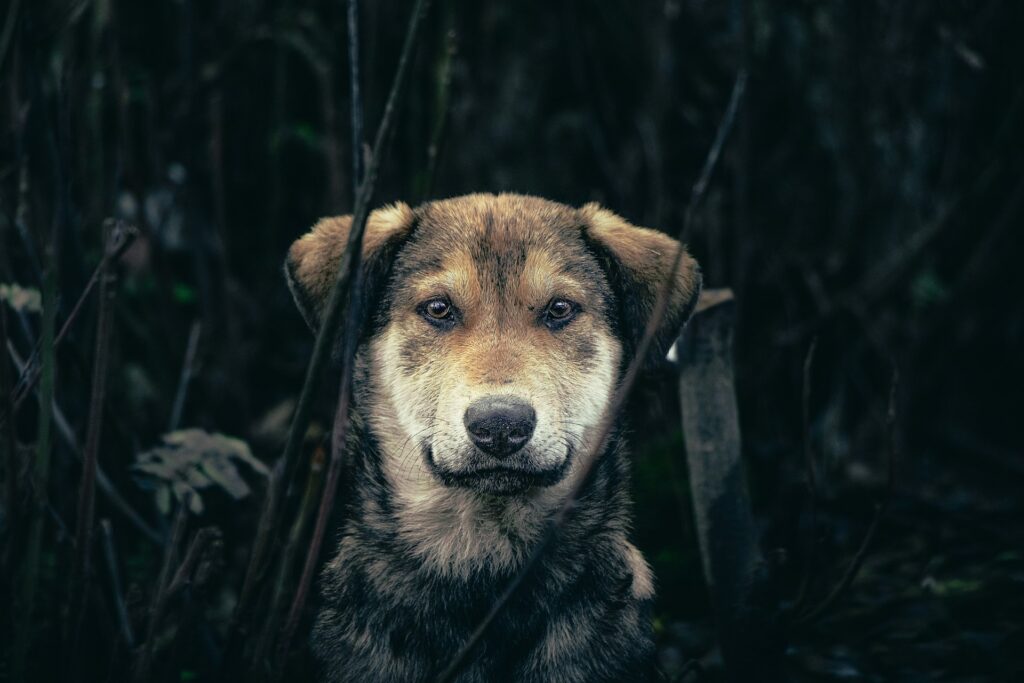
Even if a dog is not classified legally as dangerous, caution is essential when encountering an unfamiliar or aggressive dog:
- Avoid Direct Eye Contact – Looking a dog straight in the eyes may be interpreted as a challenge. Keep your gaze soft and indirect to avoid provoking aggression.
- Stay Calm and Still – Sudden movements or running can trigger a dog’s predatory instincts. Stand still, breathe evenly, and wait for the dog to relax before moving.
- Do Not Approach or Touch – Never try to pet or grab an unfamiliar dog. Allow the dog to approach first, ensuring your safety and avoiding potential bites.
- Use a Barrier – If a dog seems aggressive, place an object such as a backpack, stick, or jacket between you and the dog to protect yourself.
- Report Aggressive Dogs – Dangerous or uncontrolled dogs should be reported to local authorities or animal control immediately to prevent harm to others and ensure proper handling.
Understanding the Misconceptions
Many people mistakenly assume that a dog’s breed automatically makes it dangerous. In reality:
- Any dog can bite if scared, threatened, or provoked.
- Dogs often labeled as “dangerous” are victims of poor handling or neglect.
- Socialization and training significantly reduce risk, even in traditionally strong breeds.
Conclusion
While some dogs may pose higher risks due to breed, size, or temperament, proper training, socialization, and responsible ownership significantly reduce danger. Understanding behavior, legal rules, and safety measures ensures both dogs and humans coexist safely, preventing injuries and promoting harmony.

3 thoughts on “What Is the Most Dangerous Dog? A Comprehensive Guide”
Comments are closed.