
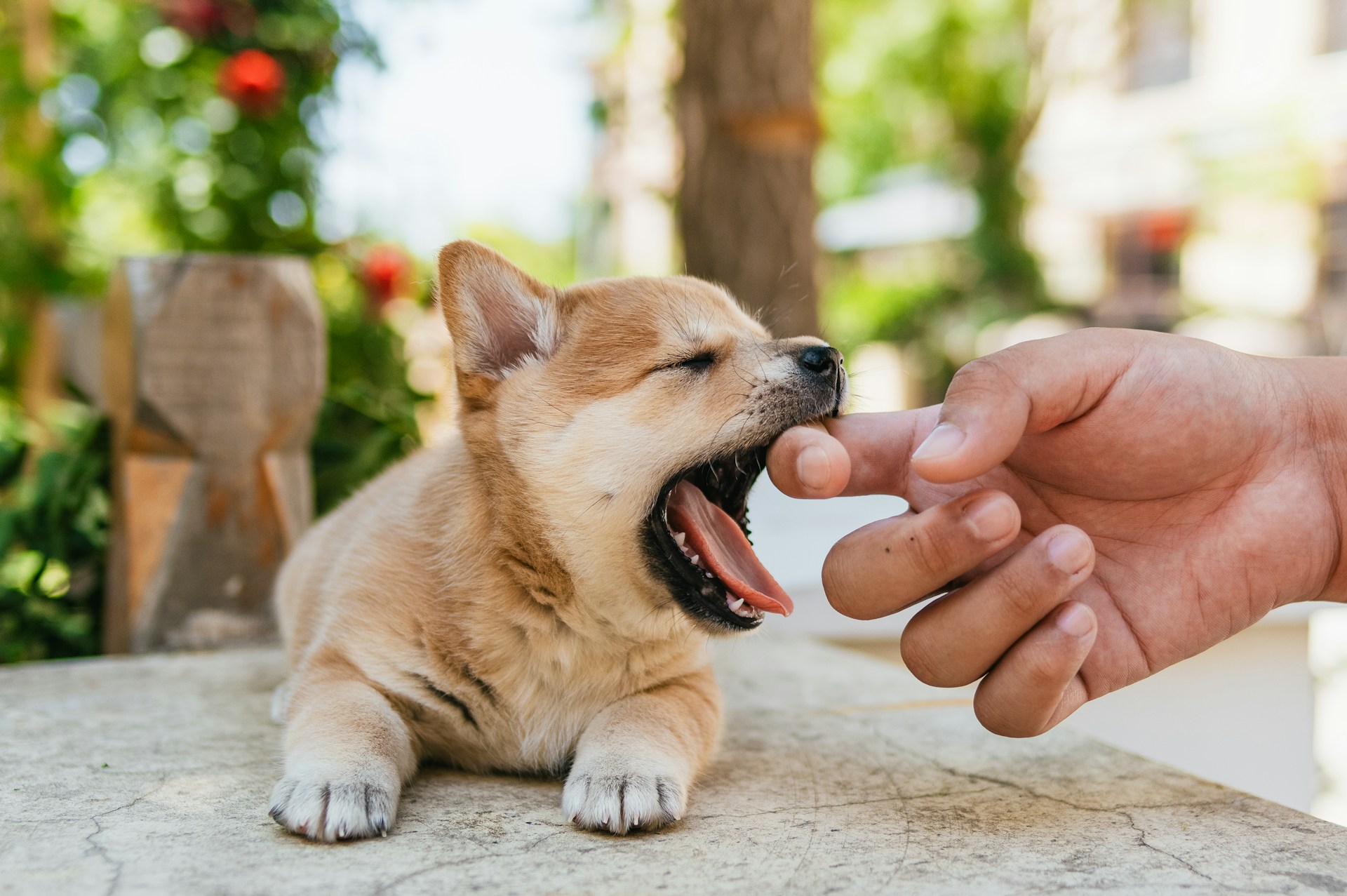
Can adult dogs eat puppy food? Learn when it’s safe, the risks of long-term feeding, and tips for transitioning to adult dog food for optimal health.
What Is Puppy Food Designed For?
Puppy food is specially created to support rapid growth and development. Puppies need more calories, protein, fat, vitamins, and minerals than adult dogs because their bodies are building bones, muscles, organs, and immune systems.
Key features of puppy food include:
- Higher calorie density
- Increased protein and fat levels
- More calcium and phosphorus for bone growth
- Added DHA for brain and vision development
These nutrients are essential for puppies—but not necessarily for adult dogs.
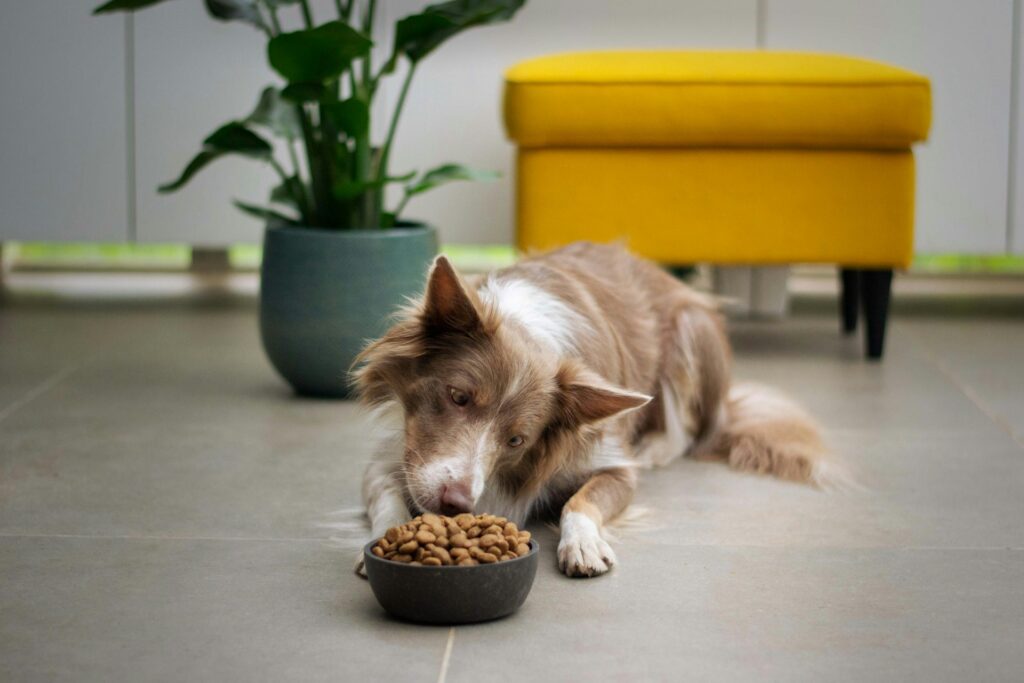
Understanding the Nutritional Differences Between Puppy and Adult Dog Food
Puppy food is specially formulated to support rapid growth, higher energy needs, and developing organs. Adult dogs, however, require a balanced diet that maintains weight and overall health without excess calories.
Higher Calorie Content in Puppy Food
Puppy food contains significantly more calories than adult dog food. Puppies need this energy for growth and play, but adult dogs consuming the same high-calorie diet can gain weight quickly.
Protein and Fat Levels Explained
Puppy formulas are rich in protein and fat to aid muscle development and brain growth. Adult dogs require moderate protein levels, and excess protein can strain the kidneys or lead to unnecessary weight gain over time.
Vitamins and Minerals for Growth
Puppy foods include extra vitamins, minerals, and DHA to support bone, joint, and brain development. Adult dogs don’t need these extras in high amounts, and over-supplementation can sometimes affect health.
Can Adult Dogs Eat Puppy Food?
Adult dogs can eat puppy food occasionally, but it isn’t ideal long-term. Puppy formulas are higher in calories, fat, and minerals for growth. Regular feeding may cause weight gain or imbalance. Choose adult dog food for maintenance, unless a veterinarian recommends puppy food temporarily for specific health needs only.
When Is It Okay for Adult Dogs to Eat Puppy Food?
There are some situations where adult dogs may eat puppy food safely.
1. By Accident
If an adult dog eats puppy food accidentally, it’s usually harmless. Occasional intake won’t cause problems, especially if it happens rarely in homes with puppies.
2. Short-Term Food Shortage
When adult dog food runs out, puppy food can temporarily replace it for one or two days without major issues, until the correct adult diet is available.
3. During Food Transition
Puppy food may be mixed briefly with adult food during diet changes. This gradual transition helps reduce digestive upset and allows the dog’s stomach to adjust safely.
4. Underweight Adult Dogs
Underweight or weak adult dogs may benefit from puppy food short-term to gain weight, but this should only be done under proper veterinary guidance.
Why Puppy Food Is Not Ideal for Adult Dogs
Adult dogs have different nutritional needs than puppies. Feeding puppy food long-term can lead to several issues:
1. Weight Gain and Obesity
Puppy food contains higher calories and fats. Adult dogs burn energy more slowly, so excess intake quickly turns into fat, increasing obesity risks and related health complications.
2. Digestive Upset
The rich proteins and fats in puppy formulas can overwhelm an adult dog’s digestive system, leading to diarrhea, gas, bloating, or vomiting with continued feeding.
3. Nutrient Imbalance
Puppy food has elevated calcium and phosphorus for growth. In adult dogs, these excess minerals may strain the kidneys and joints, especially in seniors or less active pets.
4. Long-Term Health Risks
Prolonged feeding of puppy food can contribute to joint stress, heart strain, and metabolic disorders, reducing overall vitality and potentially shortening an adult dog’s healthy lifespan.
When Can Puppy Food Be Beneficial for Adult Dogs?
In some situations, puppy food may actually help adult dogs:
- Underweight adult dogs need extra calories
- Highly active or working dogs with higher energy demands
- Pregnant or nursing dogs that require more nutrients
Even in these cases, puppy food should be given under veterinary guidance.
Are There Any Adult Dogs That Benefit From Puppy Food?
In certain cases, veterinarians may recommend puppy food for adult dogs, including:
- Pregnant or nursing dogs, who need extra calories and nutrients
- Very active working dogs, such as herding or sled dogs
- Underweight adult dogs, temporarily, to help gain weight
Even in these situations, feeding puppy food should be vet-approved and time-limited.
How Long Can Adult Dogs Eat Puppy Food?
An adult dog can safely eat puppy food for a short period (a few days to one week) without serious problems. If puppy food is the only option for longer than that, it’s best to consult your veterinarian for advice.
How to Transition From Puppy Food to Adult Food
If your dog is finishing puppyhood or accidentally ate puppy food, a gradual transition helps prevent digestive upset:
- Mix 25% adult food with 75% puppy food (days 1–2)
- Mix 50% adult food with 50% puppy food (days 3–4)
- Mix 75% adult food with 25% puppy food (days 5–6)
- Feed 100% adult food (day 7)
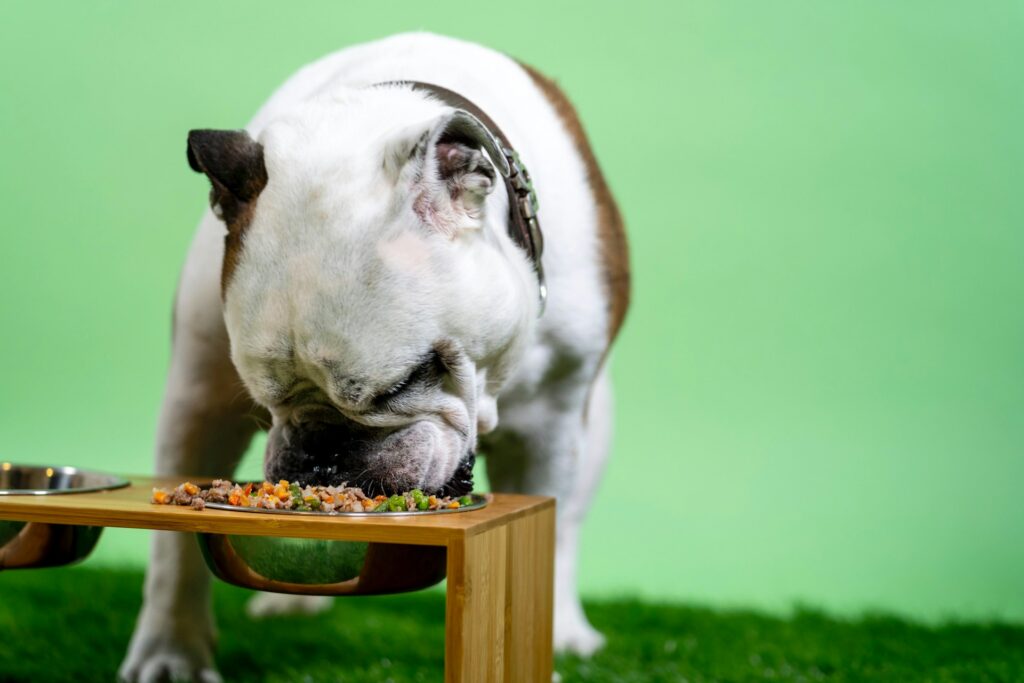
Common Myths About Dog Food Stages
Myth: Adult dogs can thrive on puppy food indefinitely.
Fact: Feeding adult dogs puppy food over a long period can cause excessive weight gain, obesity, and strain on organs due to high calories, protein, and minerals.
Myth: All adult dogs need low-calorie food.
Fact: While many adult dogs benefit from moderate calories, active, working, or underweight dogs may need higher-calorie diets to maintain energy, muscle mass, and healthy body condition.
FAQs
Can puppy food help underweight adult dogs gain weight?
Yes, the high-calorie and nutrient-dense formula can support weight gain, but it should be used temporarily and monitored by a veterinarian.
Can senior dogs eat puppy food?
Generally, no. Senior dogs may have health conditions like kidney or heart issues, and the high protein, fat, and mineral content in puppy food can be harmful.
Conclusion
Puppy food is formulated for growth, not adult maintenance. While occasional consumption is harmless, long-term feeding can cause weight gain, digestive issues, and nutrient imbalances. Adult dogs thrive on age-appropriate diets, with puppy food reserved only for short-term needs, underweight dogs, or high-energy scenarios, ideally under veterinary guidance.



2 thoughts on “Can Adult Dogs Eat Puppy Food?”
Comments are closed.