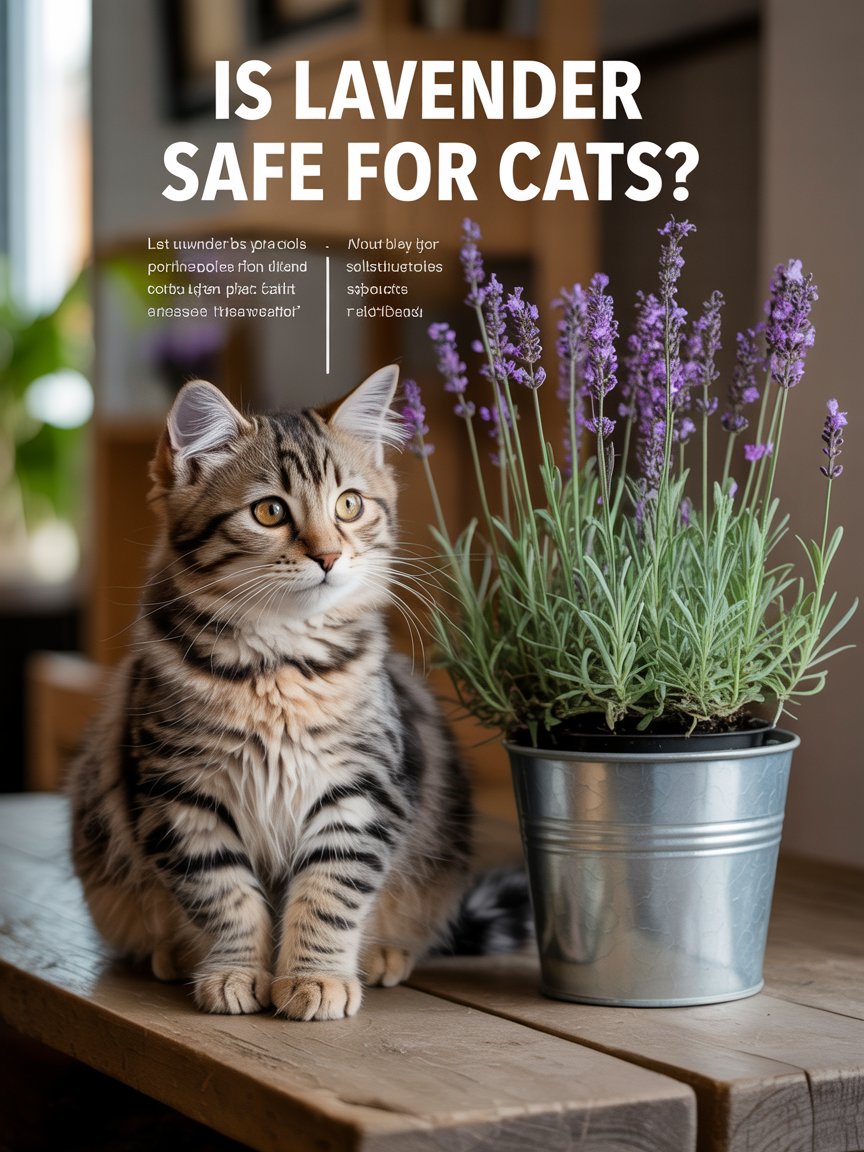
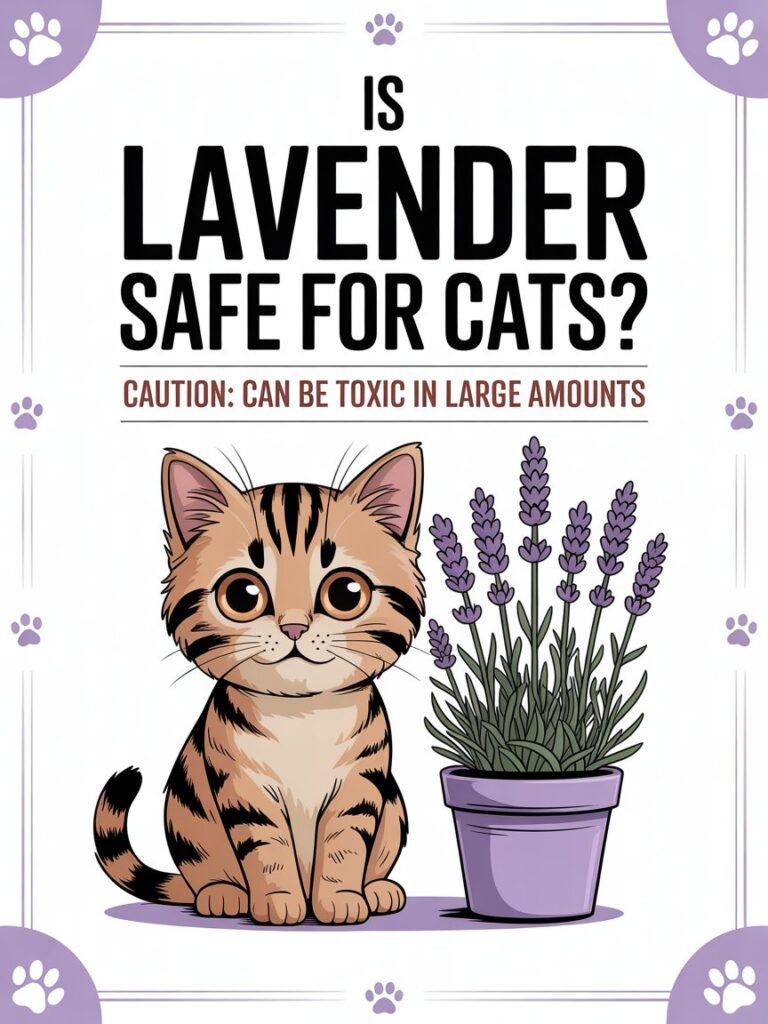
Is lavender safe for cats? Learn the risks, safe usage tips, and signs of toxicity to protect your feline friends from harm.
Introduction to Lavender
Lavender is a flowering plant belonging to the Lamiaceae family. Known scientifically as Lavandula, it is prized for its fragrance, essential oils, and decorative appeal. The plant contains natural compounds like linalool and linalyl acetate, which give it its signature calming aroma but can be harmful to cats.
Understanding Lavender’s Properties
Lavender contains compounds like linalool and linalyl acetate, which are responsible for its fragrant aroma and therapeutic properties. While these compounds can benefit humans, cats metabolize chemicals differently than humans, making some substances toxic to them.
Why Lavender Is Popular in Homes
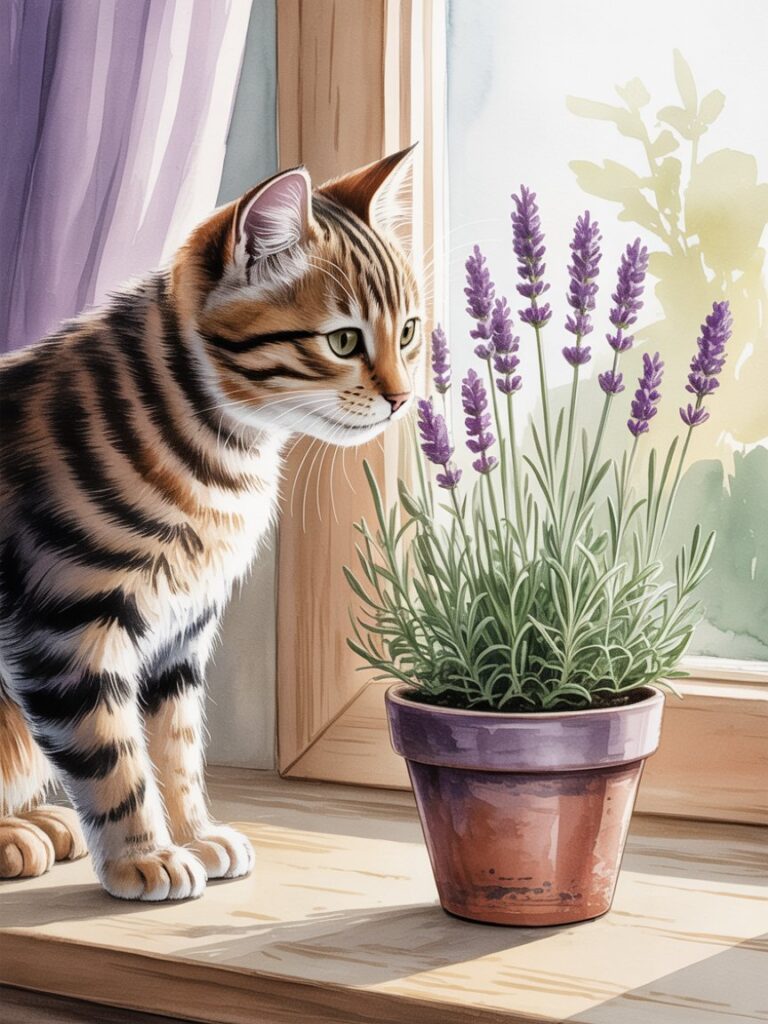
Lavender is commonly used for aromatherapy, natural cleaning products, and decorative purposes. Its pleasant scent helps reduce stress, promotes relaxation, and even improves sleep quality for humans. From potted plants on windowsills to lavender-scented candles, it is a household favorite.
Why Cat Owners Are Concerned About Lavender
Cats have a unique physiology that makes them sensitive to certain compounds found in plants, herbs, and essential oils. Because lavender contains chemical components that may be toxic to cats, responsible pet owners are right to question its safety.
How Cats React to Lavender
Cats exposed to lavender may experience symptoms ranging from mild irritation to severe toxicity. Cats may ingest lavender through chewing, licking, or grooming after contact with scented products, or inhale concentrated essential oils.
Common Forms of Lavender Used in Homes
Lavender Plants
Potted lavender or garden plants are typically the least concentrated form. While they contain small amounts of potentially toxic compounds, ingestion can still cause mild symptoms in cats.
Lavender Essential Oils
Essential oils are highly concentrated extracts of the lavender plant. Even a few drops can pose serious risks to cats due to their strong chemical profile.
Lavender Candles and Sprays
Scented candles and sprays contain essential oils and synthetic compounds. Inhalation or accidental ingestion may expose cats to harmful substances.
Is Lavender Safe for Cats?
Lavender is not completely safe for cats. While the plant itself may cause mild digestive upset if ingested, concentrated forms like essential oils, sprays, or candles can be toxic. Cats cannot metabolize certain compounds, so exposure may lead to vomiting, lethargy, or serious health issues. Always use caution.
Benefits of lavender for cats that have been reported include:
Insect Repellent
Lavender’s natural scent can help deter fleas, mosquitoes, and other insects from approaching cats. While not a substitute for veterinary-approved treatments, it may provide mild, added protection in safe amounts.
Improve Mood
The calming aroma of lavender may help reduce stress and anxiety in cats. Diffused lightly or placed safely in the environment, it can create a soothing atmosphere for nervous or anxious felines.
Anti-Inflammatory
Lavender contains compounds with mild anti-inflammatory properties. When used cautiously and safely, it may help alleviate minor skin irritations or inflammation, but concentrated oils should never be applied directly to cats.
Important Facts About Lavender and Cats
1. Lavender Is Potentially Toxic
Lavender contains terpenes and phenols, which can affect cats’ liver function and cause gastrointestinal upset. Signs of toxicity include vomiting, diarrhea, drooling, and lethargy.
2. Essential Oils Are Riskier Than Plant Leaves
While dried lavender flowers are generally safer, essential oils are highly concentrated. Just a few drops on a cat’s fur or in a diffuser can cause poisoning.
3. Cats Can Ingest Lavender Accidentally
Cats are naturally curious. If a cat bites or licks lavender plants, flowers, or oils, it may ingest harmful compounds, leading to serious health issues like tremors or respiratory distress.
4. Symptoms of Lavender Toxicity in Cats
Early signs may include:
- Nausea or vomiting
- Drooling
- Loss of appetite
- Weakness or lethargy
Severe exposure can cause liver damage, abnormal heart rhythms, or seizures, which require immediate veterinary attention.
5. Diffusing Lavender Essential Oil Indoors
Diffusers may seem harmless, but vaporized essential oils can irritate cats’ lungs. Always ensure good ventilation and never let your cat stay in a room with strong essential oil concentrations for extended periods.
How Cats Can Be Exposed to Lavender
Skin Contact
Direct application of lavender oils or lotions can cause burns, irritation, or systemic absorption through the skin.
Inhalation Through Diffusers
Cats near essential oil diffusers can inhale concentrated vapor. Poorly ventilated rooms increase the risk of respiratory irritation.
Accidental Ingestion
Curious cats may chew on dried flowers, leaves, or scented items containing lavender oils, leading to gastrointestinal upset or more severe toxic effects.
What To Do If Your Cat Is Exposed to Lavender
Immediate Steps at Home
- Remove the cat from the source of exposure.
- Wash any areas of skin or fur that came into contact with lavender oil using mild soap and warm water.
- Offer small amounts of water to help flush toxins if ingestion occurred.
- Monitor for any early symptoms of distress.
Veterinary Treatment Options
Veterinarians may provide:
- Activated charcoal to absorb ingested toxins
- IV fluids to support hydration and detoxification
- Medications to control vomiting, tremors, or seizures
- Oxygen therapy in cases of respiratory distress
How to Use Lavender Safely Around Cats
Guidelines for Diffusers
- Place diffusers in rooms where cats do not have access
- Limit diffuser time to short periods
- Ensure good ventilation to reduce inhalation risk
Safe Storage Practices
- Store essential oils out of reach of pets
- Avoid leaving scented candles or sprays unattended
- Label products clearly to prevent accidental use
Veterinary Opinions and Research on Lavender
What Animal Experts Say
Veterinarians generally advise caution with essential oils. Many recommend avoiding direct exposure entirely, especially for cats with pre-existing health conditions.
Scientific Findings About Essential Oils and Cats
Research shows that cats are highly sensitive to terpenes and phenolic compounds in essential oils, leading to liver toxicity and respiratory issues. Even small amounts can accumulate over time, making repeated exposure dangerous.
Conclusion
Lavender can offer mild benefits, but it is not completely safe for cats. Essential oils and concentrated products pose significant risks, while plants may cause mild upset. Cat owners should exercise caution, keep all lavender products out of reach, and seek veterinary care if exposure occurs to ensure feline safety.