
Discover Bengal cat cost, factors affecting price, and tips for choosing a healthy, well-bred cat while understanding ongoing care and expenses.
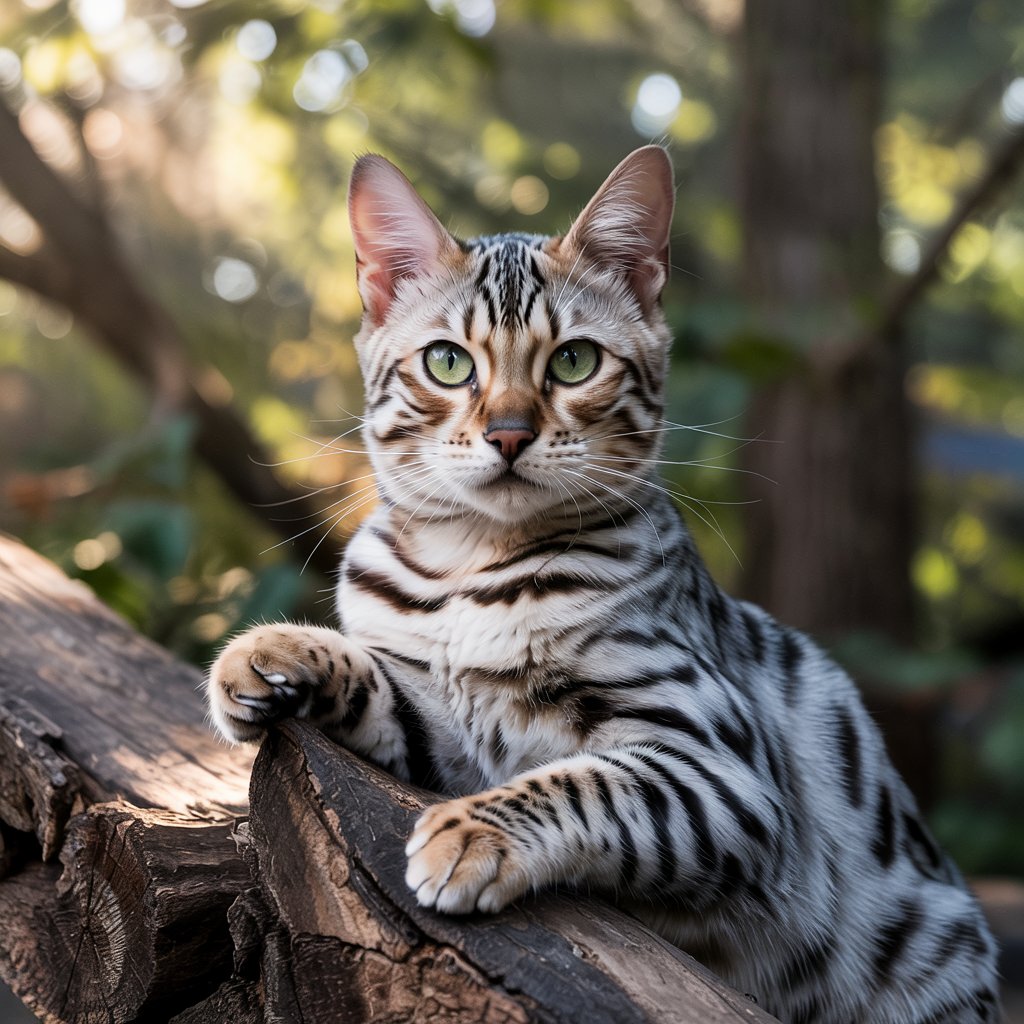
Originating from hybridization between domestic cats and the wild Asian leopard cat, Bengal cats boast an extraordinary combination of wild elegance and domestic affection. Their coats are a signature feature, with patterns ranging from intricate rosettes to flowing marbling, often shimmering with a glitter effect unique to the breed.
Beyond their stunning appearance, Bengals are highly intelligent, curious, and energetic. Their sociable and interactive nature means they require engagement, playtime, and environmental enrichment. These characteristics make them a premium breed, reflected in their market price.
Understanding the Bengal Cat Breed
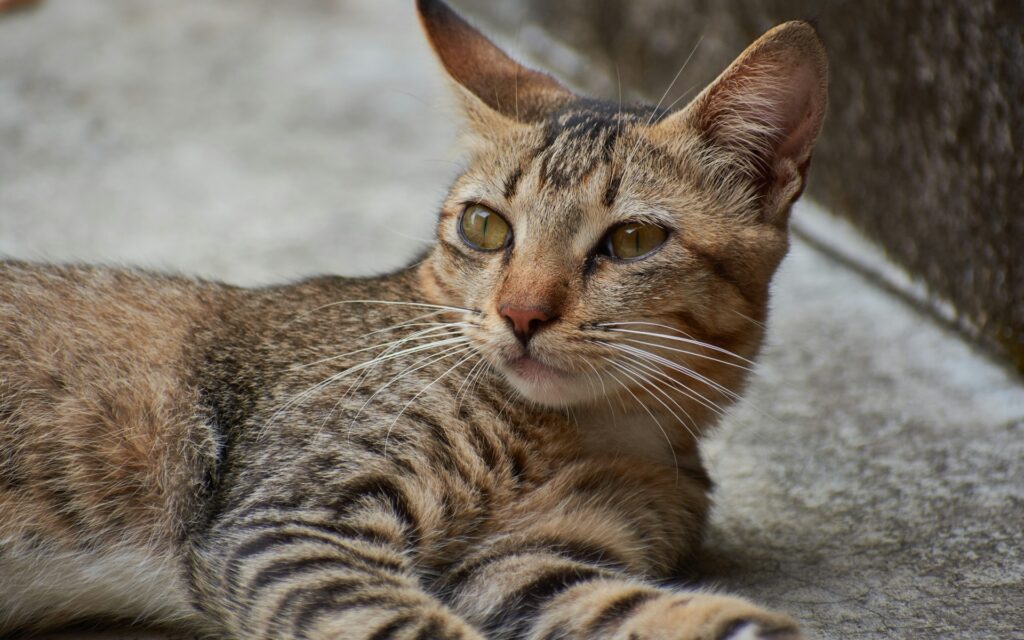
Bengal cats are a hybrid breed, originally developed by crossing domestic cats with the Asian leopard cat. Their distinctive spotted or marbled coat, vibrant colors, and energetic personality make them highly desirable. Bengals are intelligent, social, and highly interactive, which makes them great companions, though they do require attention and mental stimulation.
Typical Bengal Cat Cost
Based on quality, purpose, and pedigree, the price of a Bengal cat can range broadly:
- Pet-Quality Bengals: $1,000 – $2,500
- Show-Quality Bengals: $3,000 – $5,000
- Champion or Rare Lineage Bengals: $5,000 – $10,000+
These prices can fluctuate depending on breeder standards, registration papers, and even coat markings. Globally, the US, UK, and Singapore are markets where Bengals command premium pricing, while in some countries, the cost may be lower due to availability or breeder practices.
Key Factors That Determine Bengal Cat Cost
The price of a Bengal cat is not arbitrary. Several factors intricately influence it:
1. Pedigree and Bloodline
A Bengal’s lineage significantly affects its cost. Cats descended from champion show lines or verified pedigrees often command a higher price. Breeders invest heavily in selective breeding to preserve desirable traits such as coat pattern, body structure, temperament, and genetic health.
2. Age and Development Stage
Kittens, especially those between 8 and 16 weeks old, typically cost more because buyers prefer to raise them from an early age. Older Bengals may be less expensive but may come with established personalities or trained behaviors.
3. Coat Pattern, Color, and Rarity
Bengals’ coats can be spotted, marbled, or snow-patterned. Rare patterns or colors—like the snow Bengal or the charcoal rosette—can increase a cat’s price substantially due to scarcity and aesthetic appeal. The visual uniqueness often makes certain Bengals highly sought after by collectors and show enthusiasts.
4. Health Status and Veterinary Care
A well-bred Bengal with complete vaccinations, deworming, and vet certification of good health will naturally cost more. Reputable breeders screen for hereditary diseases such as hypertrophic cardiomyopathy (HCM) or progressive retinal atrophy (PRA), adding assurance but also expense.
5. Breeder Reputation and Geographic Location
Trusted, established breeders who prioritize ethical breeding practices usually charge a premium. Furthermore, prices may vary by region based on supply, demand, and local economic factors. For instance, Bengals in urban centers or countries with high demand often cost more than those in rural or low-demand areas.
Additional Costs Beyond Purchase Price
Buying a Bengal cat is just the beginning of the financial commitment. Prospective owners should consider ongoing expenses that contribute to the total cost of ownership.
1. Veterinary Care
Regular veterinary care is crucial for Bengal cats. Expenses include:
- Vaccinations: $50–$100 per year
- Spaying/Neutering: $200–$500
- Routine checkups and preventive care: $100–$300 per year
Bengal cats are generally healthy, but hybrid breeds may have a higher susceptibility to certain genetic conditions, making vet visits an important consideration.
2. Food and Nutrition
Bengals are active cats requiring high-quality nutrition to maintain their energy levels and coat health. Premium cat food can cost $500–$1,000 per year, depending on the diet and supplements. Some owners prefer a raw or homemade diet, which may increase costs further.
3. Toys and Enrichment
Bengal cats are highly intelligent and active, needing toys, climbing trees, scratching posts, and interactive play. Investing in enrichment items not only keeps them mentally stimulated but also reduces behavioral issues. Expect to spend $100–$500 annually on toys and accessories.
4. Grooming Supplies
While Bengals have short coats and require minimal grooming, occasional brushing and nail trimming are necessary. A basic grooming kit can cost $50–$100, with professional grooming services available at an additional cost.
5. Pet Insurance
Pet insurance is a smart investment for Bengal owners, covering unexpected medical expenses. Premiums range from $20–$60 per month, depending on coverage and the cat’s age.
6. Boarding or Pet Sitting
If you travel frequently, you may need to budget for boarding or pet-sitting services, which can range from $20–$50 per day.
Tips for Buying a Bengal Cat
1. Research breeders carefully
Take the time to find certified, reputable Bengal cat breeders with positive reviews and a history of healthy, well-socialized kittens to ensure you get a quality companion.
2. Ask for documentation
Always request health certificates, vaccination records, and pedigree papers from the breeder to verify the Bengal kitten’s lineage, ensuring it is healthy, purebred, and properly cared for before purchase.
3. Consider adoption
Check rescue organizations and animal shelters, as some occasionally have Bengal cats available. Adoption can save a life, reduce costs, and give a loving home to a deserving cat.
4. Budget for long-term costs
Bengals are energetic, intelligent cats requiring high-quality food, toys, grooming, and veterinary care. Plan financially for ongoing care beyond the initial purchase to keep your cat healthy.
The True Value of a Bengal Cat
When considering the cost, it’s essential to think beyond the initial purchase price. A Bengal cat’s value is not only monetary but also emotional and lifestyle-oriented. They are affectionate, loyal, and highly entertaining companions. Owning a Bengal cat requires commitment, time, and attention to ensure their well-being.
A well-bred Bengal can provide years of joy, exercise, and interaction for families, singles, and cat enthusiasts. For those who appreciate active and social cats, the cost is often justified by the unique companionship Bengals provide.
Conclusion
Bengal cats combine exotic beauty, intelligence, and playful energy, making them highly desirable companions. While their cost is high, careful research, ethical breeding, and proper long-term care ensure a rewarding experience for owners who value both appearance and personality.
One thought on “A Comprehensive Guide to Bengal Cat Cost”