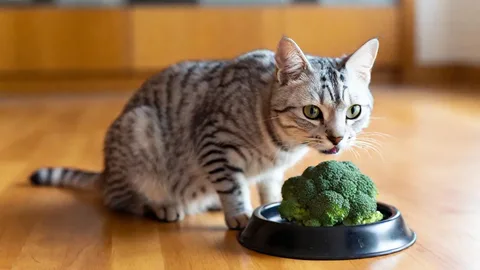

Can cats eat eggs? Learn the benefits, risks, and safe ways to feed eggs to cats, including proper portions, cooking methods, and health tips for feline nutrition.
Eggs are a nutrient-rich food produced by birds, most commonly chickens, and widely consumed by humans. They contain high-quality protein, healthy fats, vitamins, and minerals. Eggs consist of three main parts: the shell, egg white, and yolk. They are used in cooking, baking, and many recipes worldwide.
Can Cats Eat Eggs?
Yes, cats can eat eggs if they are fully cooked and served in small amounts. Eggs provide protein, healthy fats, and essential nutrients that can support a cat’s health. However, raw eggs should be avoided due to bacterial risks. Eggs should only be an occasional treat, not a regular meal.
Health Benefits of Eggs for Cats
When fed correctly, eggs can provide several health advantages for cats.
Muscle Development
The high-quality protein in eggs supports muscle growth and maintenance. This is especially beneficial for active cats, growing kittens, or cats recovering from illness.
Healthy Skin and Shiny Coat
Eggs contain fatty acids and essential nutrients that contribute to healthy skin and a shiny coat. Cats that receive balanced nutrition often have smoother fur and reduced dryness or irritation.
Boosting Energy Levels
Eggs provide a combination of protein and healthy fats, which can help supply cats with sustained energy throughout the day. This makes them a helpful supplemental food for energetic cats.
How to Safely Feed Eggs to Cats
If you want to give eggs to your cat, it is important to prepare them safely.
Cook the Eggs Completely
Always cook eggs thoroughly before feeding them to cats. Boiled or plain scrambled eggs are safest. Avoid oil, butter, salt, or spices to prevent digestive issues.
Serve Small Portions
Cats only need small portions of eggs as an occasional treat. A small spoonful is enough. Feeding too many eggs may cause extra calorie intake.
Avoid Seasoning
Never add salt, onions, garlic, or spices when preparing eggs for cats. These ingredients can be harmful and may cause stomach problems or health issues.
Watch for Reactions
When feeding eggs for the first time, monitor your cat carefully. Look for signs like vomiting, diarrhea, itching, or discomfort that may indicate allergies or intolerance.
Risks of Feeding Eggs to Cats
Although eggs are generally safe, there are some risks to consider.
Raw Eggs Can Be Harmful
Raw eggs may contain bacteria such as Salmonella, which can cause digestive issues in cats. Raw egg whites also contain a protein called avidin that can interfere with the absorption of biotin, an important vitamin.
High Calorie Content
Eggs contain fat and calories. Feeding too many eggs may lead to weight gain, especially for indoor cats that do not burn many calories.
Possible Allergic Reactions
Some cats may be sensitive or allergic to eggs. If your cat experiences vomiting, diarrhea, or itching after eating eggs, stop feeding them and consult a veterinarian.
Are Eggs Safe for Cats to Eat?
Yes, eggs can be safe for cats, but how they are prepared matters greatly.
Raw Eggs
Feeding raw eggs to cats is not recommended. Raw eggs may contain harmful bacteria such as Salmonella or E. coli, which can cause food poisoning. Additionally, raw egg whites contain avidin, a protein that can interfere with the absorption of biotin, an essential vitamin important for skin and coat health.
Cooked Eggs
Cooked eggs are the safest option. You can serve eggs to your cat in the following forms:
- Boiled eggs
- Scrambled eggs (without salt, butter, or seasoning)
- Plain omelet with no additives
Cooking eggs eliminates harmful bacteria and makes them easier for cats to digest.
How Often Can Cats Eat Eggs?
Eggs should only be given occasionally, not every day. Feeding eggs once or twice a week in small amounts is generally considered safe for most healthy cats. Too many eggs can disrupt the balance of nutrients in a cat’s regular diet.
Can Kittens Eat Eggs?
Kittens can eat small amounts of cooked eggs once they are fully weaned and eating solid food. However, their primary nutrition should come from specially formulated kitten food that supports their rapid growth and development.
Signs Your Cat Enjoys Eggs
Cats that enjoy eggs may show excitement during feeding time, lick the bowl, or quickly finish the small portion given to them. Every cat has different taste preferences, so some may love eggs while others may not show interest.
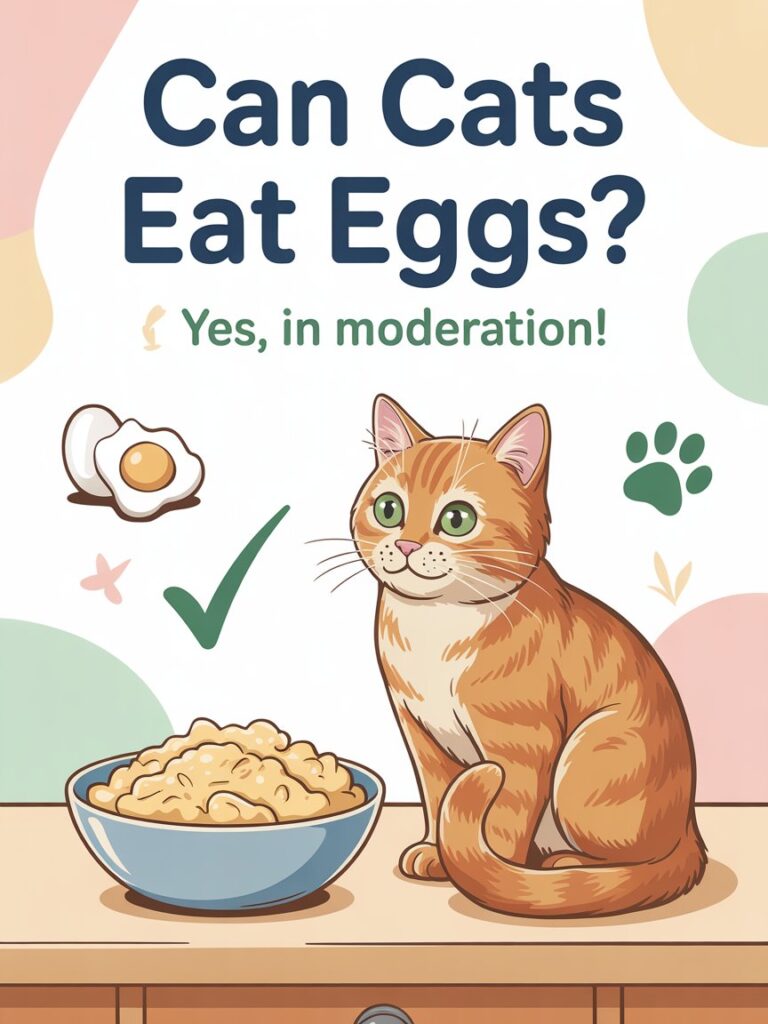
Tips for Feeding Eggs to Cats
If you want to include eggs in your cat’s diet, follow these safe feeding tips:
- Always cook eggs thoroughly
- Avoid salt, spices, butter, or oil
- Serve small portions
- Mix a small amount with your cat’s regular food
- Monitor for any unusual reactions
These steps help ensure eggs remain a healthy treat rather than a health risk.
FAQs
1. Can cats eat scrambled eggs?
Yes, cats can eat scrambled eggs if they are fully cooked and served plain. Avoid butter, oil, salt, spices, or seasoning. Offer small portions occasionally as a protein-rich treat.
2. Are eggs good for cats every day?
Eggs should not be fed to cats every day. They are best given occasionally, about once or twice weekly, because too much egg may add extra calories.
3. Can cats eat egg yolks?
Yes, cats can eat cooked egg yolks in small amounts. Egg yolks contain nutrients and healthy fats, but they are high in calories, so moderation is important.
4. Can eggs help improve a cat’s coat?
Yes, eggs contain healthy fats, protein, and vitamins that can help support skin health and improve coat shine. Feeding small cooked portions may benefit overall coat condition.
Conclusion
Eggs can be a healthy and nutritious treat for cats when served properly. Always provide fully cooked eggs in small portions and avoid seasoning or additives. While eggs offer protein and essential nutrients, they should only supplement a balanced diet. Feeding eggs occasionally helps support your cat’s health without causing a nutritional imbalance.