Can dogs eat apples? Learn how to safely serve apples, their health benefits, risks, and tips for making this nutritious fruit a tasty dog treat.
Dogs are curious creatures that often want to sample what their owners are eating. While many human foods can be safe, it’s important to understand a dog’s digestive system before sharing snacks. Dogs digest differently from humans, and some foods can be beneficial, while others may be harmful. Providing healthy treats like fruits can supplement their diet, but moderation and proper preparation are key.

Can Dogs Eat Apples?
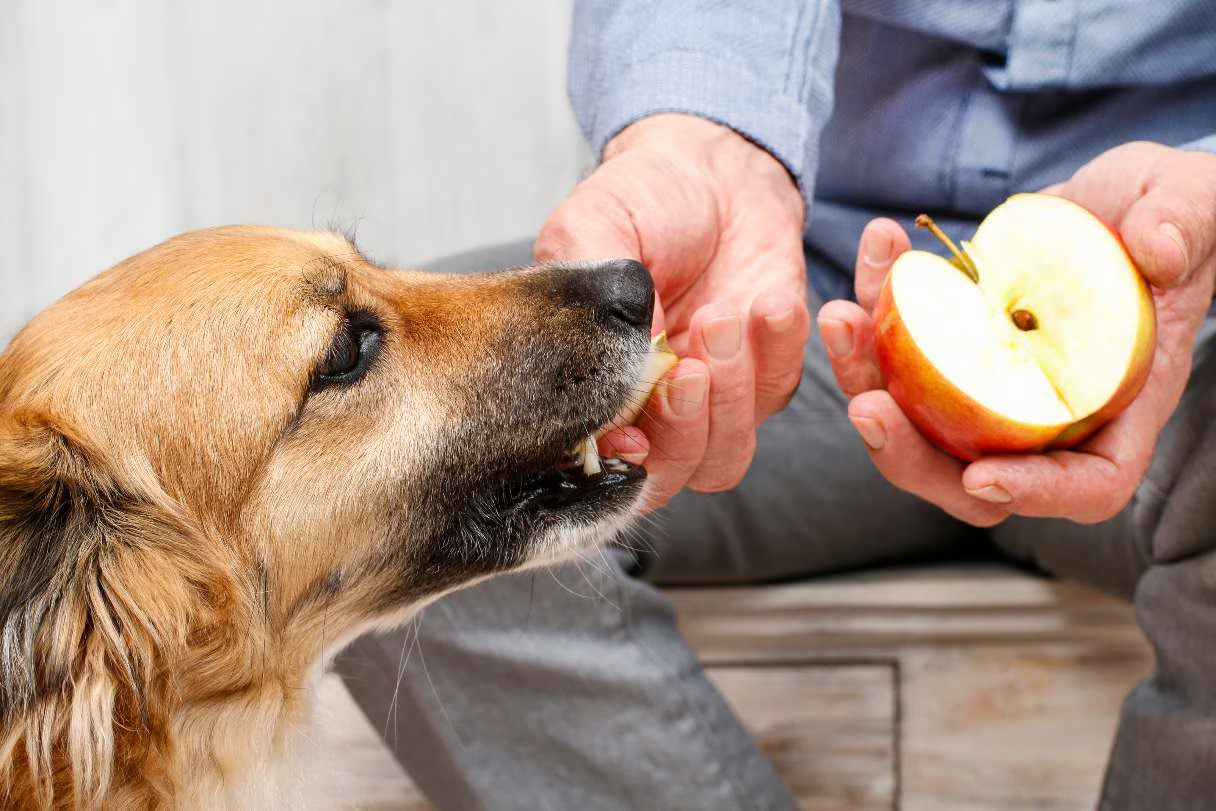
Yes, dogs can eat apples in moderation. Apples are safe, nutritious, and low in calories, providing vitamins, fiber, and antioxidants. Always remove the seeds and core, as seeds contain toxic cyanide. Slice apples into small pieces and wash thoroughly. Apples make a healthy, tasty treat for dogs.
Nutritional Profile of Apples
Apples contain essential nutrients like vitamin A, vitamin C, potassium, and antioxidants, which contribute to a dog’s overall health. They also provide dietary fiber that supports digestion.
Health Benefits of Apples for Dogs
Feeding apples to your dog in moderation provides multiple health benefits, including improved immunity, dental care, hydration, and fiber intake, making them a nutritious, low-calorie, and enjoyable snack option.
Boosting Immunity
Apples are rich in vitamin C and antioxidants, which help strengthen a dog’s immune system. Regular, moderate consumption can support disease prevention, reduce inflammation, and promote overall health and vitality in dogs.
Supporting Dental Health
The crunchy texture of apples naturally cleans teeth and massages gums. Chewing apple slices helps reduce plaque buildup, combat bad breath, and maintain proper oral hygiene, making them a safe alternative to commercial treats.
Promoting Hydration
With high water content, apples help keep dogs hydrated, supporting healthy skin, coat, and organ function. Feeding them as a fresh snack contributes to overall fluid intake, especially during warmer seasons.
Potential Health Benefits for Dogs
Feeding apples in moderation can help improve digestion, support the immune system, and contribute to hydration. They also make a tasty, low-calorie treat that can be used during training sessions.
Risks and Precautions When Feeding Apples to Dogs
While apples are generally safe, certain parts and practices can pose risks.
Apple Seeds and Cyanide Risk
Apple seeds contain cyanogenic compounds, which can release cyanide if ingested in large amounts. Always remove seeds and the core before feeding apples to your dog.
Choking Hazards and Proper Preparation
Slicing apples into small, manageable pieces prevents choking, especially for small breeds or dogs that swallow food quickly.
Allergies and Stomach Upset
Some dogs may develop mild digestive issues or allergic reactions. Introduce apples gradually and monitor for vomiting, diarrhea, or itching.
How to Safely Serve Apples to Dogs
There are several ways you can prepare apples as a healthy treat for your dog:
1. Sliced Apples
- Remove the core and seeds
- Cut the apple into small, manageable pieces
- Serve as a fresh snack or training reward
2. Frozen Apple Slices
- Freeze apple slices for a crunchy, refreshing treat during hot weather
- This also helps soothe teething puppies
3. Apple Puree
- Blend apple slices into a puree without adding sugar or artificial sweeteners
- Serve in moderation as a tasty addition to your dog’s meals
4. Apple in Dog Treat Recipes
- Incorporate apples into homemade dog treats or baked goods
- Ensure that all ingredients are dog-safe and avoid harmful additives like chocolate or xylitol
How Much Apple Can a Dog Eat?
Moderation is key. While apples are healthy, too much can cause digestive upset due to the fiber and natural sugars.
- Small dogs: 1-2 slices per day
- Medium dogs: 2-4 slices per day
- Large dogs: 4-6 slices per day
Always observe your dog after introducing a new food. If you notice vomiting, diarrhea, or other unusual symptoms, stop feeding apples and consult a veterinarian.
Apples as Part of a Dog’s Diet
While apples can be a healthy treat, they should not replace a balanced dog diet. High-quality dog food provides all the essential nutrients that apples alone cannot supply. Use apples as a supplement or occasional reward during training.
Signs Your Dog May Not Tolerate Apples
Even healthy foods can cause issues in some dogs. Watch for these signs:
- Vomiting or diarrhea
- Excessive gas
- Loss of appetite after eating apples
- Swelling around the mouth or lips
If any of these occur, stop feeding apples and consult a veterinarian.
Fun Ways to Feed Apples to Dogs
Apple and Peanut Butter Treats
Spread natural, unsweetened peanut butter on apple slices for a tasty and protein-rich snack. Avoid peanut butter with xylitol, which is toxic to dogs.
Frozen Apple Yogurt Bites
Mix chopped apple pieces with plain yogurt, freeze in small portions, and serve as a cool summer treat.
Training Treats
Use small apple cubes as low-calorie rewards during obedience training sessions.

FAQs
Can apples cause digestive issues in dogs?
Feeding too many apples at once can upset a dog’s stomach, causing diarrhea, gas, or vomiting. Always introduce apples gradually and monitor tolerance carefully.
Are apples good for a dog’s teeth?
Yes, the crunchy texture of apples helps clean teeth naturally, massages gums, and reduces plaque buildup, promoting better oral hygiene as a safe, healthy snack.
Is apple skin safe for dogs?
Apple skin is safe and nutritious for dogs, containing fiber and antioxidants. Wash thoroughly to remove pesticides and consider organic apples when feeding regularly.
Conclusion
Apples are a safe, nutritious, and tasty treat for dogs when served correctly. Remove seeds and core, slice into small pieces, and feed in moderation. They provide fiber, vitamins, antioxidants, and hydration, supporting digestion, immunity, and dental health, making apples a healthy supplement to a balanced canine diet.