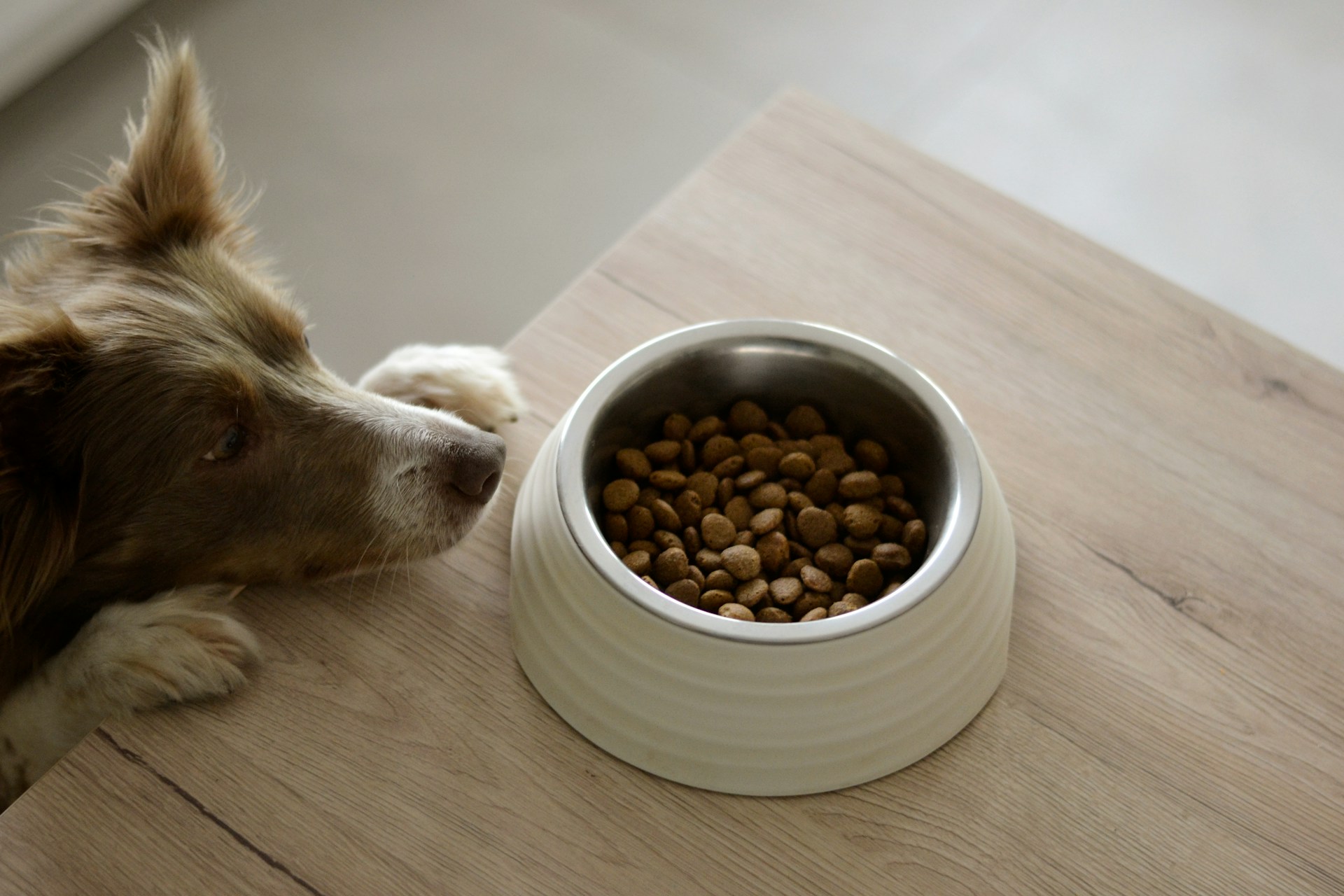

Discover if dogs can eat cucumbers safely, their health benefits, risks, and tips for feeding this low-calorie, hydrating, and nutritious vegetable to your pet.
Introduction to Can Dogs Eat Cucumbers
Cucumbers are crisp, refreshing vegetables that humans enjoy in salads and snacks. But pet owners often wonder if their dogs can safely enjoy cucumbers too. The good news is that cucumbers are generally safe for dogs and can even provide several health benefits when offered in moderation. However, understanding how to serve them safely and recognizing potential risks is essential for your pet’s well-being.

Nutritional Profile of Cucumbers
Vitamins Found in Cucumbers
Cucumbers are rich in essential vitamins like vitamin K, which supports bone health, and vitamin C, known for its immune system benefits. They also contain vitamin A, which helps maintain healthy skin and eyes in dogs.
Minerals and Hydration Benefits
Cucumbers are composed of about 95% water, making them excellent for hydration. They also provide minerals like potassium, magnesium, and manganese, which contribute to heart health, nerve function, and overall wellness in dogs.
Can Dogs Eat Cucumbers?
Yes, dogs can eat cucumbers safely in moderation. Cucumbers are low in calories, high in water, and packed with vitamins like A, C, and K, making them a healthy, hydrating snack. Always cut into bite-sized pieces, wash thoroughly, and introduce gradually to avoid digestive upset in sensitive dogs.
When Cucumbers Are Safe for Dogs
Veterinarians generally agree that cucumbers are safe for dogs when fed in moderation. They are non-toxic, low in calories, and free from harmful compounds like oxalates or solanine in small quantities. Cucumbers are especially beneficial for overweight dogs, dogs with diabetes, or pets needing hydration support.
When Cucumbers May Not Be Safe
Cucumbers may pose risks for dogs with specific digestive issues or allergies. Dogs with sensitive stomachs might experience mild bloating or diarrhea if they eat too much cucumber at once. Always monitor your pet when introducing any new food.
Health Benefits of Cucumbers for Dogs
Low-Calorie Snack for Weight Control
Cucumbers are low in calories and fat, making them a perfect guilt-free treat for dogs that need to maintain or lose weight. Unlike processed treats, cucumbers offer crunch and flavor without extra calories.
Hydration Support for Dogs
Due to their high water content, cucumbers help keep dogs hydrated, especially during hot weather or after physical activity. Hydration is critical for kidney function, digestion, and overall energy levels.
Vitamins that Support Dog Health
The vitamins and antioxidants in cucumbers can support immunity, improve skin and coat health, and aid in bone and joint maintenance. Regular, moderate consumption may complement a balanced diet.
Potential Risks of Feeding Cucumbers to Dogs
Choking Hazards
Large cucumber pieces or uncut slices can be a choking risk, especially for small breeds. Always slice cucumbers into bite-sized pieces before feeding.
Digestive Upset
Feeding too much cucumber may cause diarrhea or gas, as dogs’ digestive systems may struggle with excess fiber and water content. Moderation is key.
Seasoned or Pickled Cucumbers
Never feed dogs pickles, cucumbers with salt, spices, or vinegar. These can irritate their stomach, cause dehydration, or lead to more serious health issues.
How to Prepare Cucumbers for Dogs
Washing and Peeling
Always wash cucumbers thoroughly to remove pesticides or chemicals. Peeling is optional, but some dogs may tolerate peeled cucumbers better, especially sensitive stomachs.
Cutting into Safe Bite Sizes
Slice cucumbers into small, manageable pieces. For smaller breeds, thin slices or sticks work best to prevent choking and ensure easy digestion.
Dogs That Should Avoid Cucumbers
Dogs with Sensitive Stomachs
Dogs prone to gastrointestinal issues may react to cucumbers with vomiting or diarrhea. Introduce in tiny amounts and monitor their reaction.
Dogs with Special Medical Diets
Dogs on veterinary-prescribed diets or with kidney issues should only eat cucumbers after consulting their veterinarian. Some medical conditions require careful monitoring of minerals and fiber intake.
Creative Ways to Feed Cucumbers to Dogs
Frozen Cucumber Treats
Freezing cucumber slices creates a crunchy, refreshing treat, perfect for teething puppies or cooling down on hot days.
Cucumber Mixed with Dog Food
Chopped cucumbers can be mixed into meals as a hydrating supplement, adding texture and nutrients without extra calories.
Vegetables Dogs Can Eat Besides Cucumbers
Safe Vegetable Options
- Carrots
- Green beans
- Zucchini
- Sweet potatoes
These vegetables offer similar low-calorie, nutrient-rich benefits and are safe for dogs in moderation.

Vegetables Dogs Should Avoid
Avoid onions, garlic, leeks, and chives, as they can be toxic to dogs. Also, limit starchy vegetables like raw potatoes, which can cause digestive issues.
Expert Vet Tips for Feeding Vegetables to Dogs
- Introduce vegetables gradually.
- Monitor for digestive upset.
- Avoid adding salt, oil, or seasonings.
- Always consult your veterinarian for dogs with chronic health conditions.
FAQs
1. Can puppies eat cucumbers?
Yes, puppies can enjoy cucumbers in small, soft pieces. Always cut into tiny chunks to prevent choking and introduce gradually to monitor digestion.
2. Are pickled or seasoned cucumbers safe for dogs?
No, pickled or seasoned cucumbers contain salt, vinegar, or spices that can irritate your dog’s stomach and may lead to dehydration or digestive upset.
3. What signs indicate my dog doesn’t like cucumbers?
Dogs may refuse to eat, show vomiting, diarrhea, excessive drooling, or disinterest. Stop feeding immediately and consult a veterinarian if adverse symptoms continue.
Conclusion
Cucumbers are a safe, low-calorie, and hydrating treat for most dogs when served in moderation. They provide essential vitamins, minerals, and crunch without added fat. Always prepare them properly, monitor your dog’s reaction, and avoid pickled or seasoned cucumbers to ensure a healthy, enjoyable snack for your furry friend.