
Discover the cons of owning a Bengal cat, including high energy, social needs, vocal tendencies, and health concerns. Perfect for active, attentive owners.
Introduciton
Bengal cats are one of the most striking and unique domestic cat breeds, known for their exotic appearance, playful personality, and high intelligence. Their name comes from their resemblance to wild Asian leopard cats, though Bengals are fully domesticated. These cats have become increasingly popular among pet lovers for their beautiful coat patterns and energetic nature.
Personality and Temperament
Bengal cats are highly energetic, intelligent, and curious. They are known for their playful nature and love of climbing, running, and interactive toys. These cats are also very vocal and communicate frequently with their owners. Unlike some domestic cats, Bengals thrive on engagement and mental stimulation.
Key Traits:
- Highly social and affectionate with their family.
- Active and energetic, requiring daily exercise.
- Sometimes shy around strangers or new environments.
Characteristics of Bengal Cats
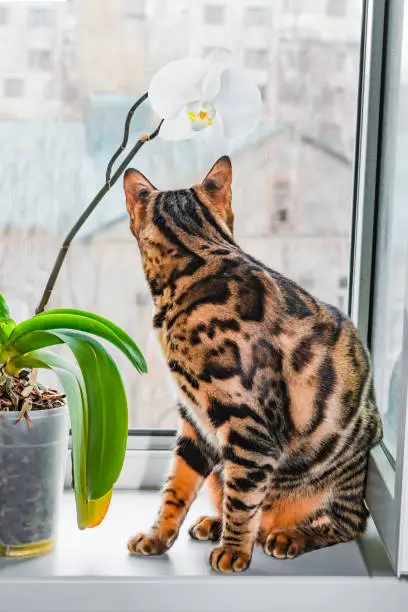
Bengal cats are medium to large-sized cats with a muscular build and sleek, shiny coat. Their most distinguishing feature is their coat pattern, which can include spots, rosettes, and marbling, reminiscent of wild cats.
The coat is often soft and glittery, catching light in a way that enhances its exotic look. Bengal cats have almond-shaped eyes, strong legs, and a long tail, giving them an elegant yet athletic appearance.
Personality-wise, Bengals are highly intelligent, active, and curious. They are social cats that thrive on interaction with their human family and may form strong bonds with owners. Bengal cats are also known for their vocal nature—they often “talk” with expressive meows, chirps, or trills.
Advantages of Owning a Bengal Cat
1. Exquisite Appearance
Bengal cats are visually stunning with leopard-like coats, glittered fur, and unique patterns, making them one of the most exotic and attractive domestic cat breeds available.
2. Energetic and Entertaining
Bengals are highly active, playful, and curious, providing endless entertainment. Their love for climbing, chasing, and interactive play keeps owners engaged and prevents boredom.
3. Intelligence and Trainability
Bengal cats are exceptionally smart, learning tricks, games, and commands quickly. Their intelligence allows them to interact meaningfully with owners and adapt well to training efforts.
4 Important Facts To Keep In Mind Before Getting a Bengal Cat
Bengal cats are stunning and unique, but they also have distinct traits that may not suit every household. Here are some important facts to know before welcoming one into your home.
1. Pelt-like Coats
The fur of Bengal cats shows dense and luxurious qualities that match the appearance of leopard wildcat fur. Their unique markings and glittering appearance make them stand out, but proper grooming and care are necessary to maintain their silky, healthy fur.
2. Bengals Tend To Be Fairly High Maintenance
Unlike some low-maintenance cat breeds, Bengals require attention, mental stimulation, and regular care. They may need interactive toys, climbing spaces, and consistent social interaction to stay happy and prevent behavioral issues.
3. They Can Be Noisy
Bengal cats are very vocal and expressive, often meowing, chirping, or yowling to communicate. Owners should be prepared for regular noise, especially if they prefer a quieter, more low-key pet experience.
4. They Are Very Energetic
These cats are extremely active, playful, and curious. They require space to run, jump, and explore, along with stimulating activities to channel their energy and prevent boredom or destructive behavior around the house.
What Are the Cons of Owning a Bengal Cat?
High Energy Levels
Bengal cats are extremely active and require daily mental and physical stimulation. Without enough playtime or environmental enrichment, they may become bored, leading to destructive behavior such as scratching furniture or knocking objects over.
Demanding Attention
Unlike more independent breeds, Bengals crave interaction and may get lonely if left alone for long periods. Owners who are away often may find it challenging to meet the cat’s social needs.
Potential Aggression or Mischief
Their intelligence and curiosity can sometimes translate into mischievous or aggressive behavior if they are not properly socialized or mentally stimulated.
Not Ideal for Small Apartments
Due to their energy and need for space to climb and explore, Bengal cats thrive in homes with vertical spaces, cat trees, or access to safe outdoor enclosures. Small living spaces may frustrate them.
Expensive and Hard to Find
Bengal cats are often costly to purchase, sometimes ranging from $1,000 to $5,000, depending on lineage and markings. Additionally, quality breeders may have waiting lists.
Health Considerations
While generally healthy, Bengals are prone to some genetic issues such as hypertrophic cardiomyopathy (HCM), hip dysplasia, and progressive retinal atrophy (PRA). Regular veterinary care is essential.
Care and Maintenance
Bengals require minimal grooming efforts because their grooming needs are not demanding. Their short coats do not mat easily, but regular brushing helps reduce shedding. Due to their high energy levels, Bengals need ample playtime, climbing spaces, and interactive toys to keep them engaged.
Health Considerations:
Bengals are generally healthy, but potential health concerns include:
- Hypertrophic cardiomyopathy (heart disease)
- Progressive retinal atrophy (eye issues)
- Hip dysplasia
Regular veterinary check-ups, a balanced diet, and safe exercise are essential for keeping Bengals healthy and happy.
Common Health Problems in the Bengal Cat Breed
Progressive Retinal Atrophy (PRA)
A genetic eye disorder causing gradual vision loss, potentially leading to blindness. Particularly, early detection is one of the most paramount benefits of regular vet check-ups.
Hip Dysplasia
A developmental joint condition causing hip pain, stiffness, and mobility issues. Proper diet, exercise, and veterinary care help manage symptoms.
Hypertrophic Cardiomyopathy (HCM)
Heart disease thickens the heart muscles, reducing efficiency. Regular cardiac screenings and veterinary monitoring are essential for Bengal cats.
Cataracts
The eye lens develops cloudiness, which results in vision loss or complete blindness. Surgery may be required for severe cases to restore sight.
Anaesthetic Allergies
Some Bengals may react adversely to anesthesia during surgeries. Pre-surgical testing and vet supervision reduce risks and ensure safe procedures.
FAQs
Are Bengal cats good pets for families?
Yes, Bengal cats are affectionate and social, making them great pets for families with older children, provided they receive enough attention and stimulation.
Are Bengal cats hypoallergenic?
No, Bengals are not hypoallergenic. However, some owners report fewer allergic reactions compared to other breeds due to their short, low-shedding coat.
Can Bengal cats be trained?
Yes, Bengals are highly intelligent and trainable. They can learn tricks, fetch, and even leash train.
Conclusion
Bengal cats are stunning, intelligent, and entertaining companions, but their high energy, vocal nature, and social demands make them a challenge for some owners. They require space, stimulation, and attention, making them best suited for experienced cat lovers prepared for their unique needs.

One thought on “What Are the Cons of Owning a Bengal Cat?”