

Discover the dog breeds that are easiest to train, tips for success, and how breed traits, intelligence, and temperament influence training outcomes for every owner.
Definition of Dog Breed
A dog breed is a group of domestic dogs that share consistent physical traits, temperament, and genetic lineage. Breeds are usually developed to perform specific tasks, such as hunting, herding, guarding, or companionship. Over time, selective breeding has created hundreds of recognized dog breeds worldwide.
Each dog breed has distinct characteristics that make it unique, including size, coat type, color, energy levels, and behavior.
History of Dog Breeds
Dogs were domesticated from wolves thousands of years ago. Over time, humans selectively bred dogs to enhance specific traits. This selective breeding led to the creation of distinct dog breeds that suited different roles in society.
For example:
- Herding dogs like Border Collies were bred to manage livestock.
- Hunting dogs like Beagles were developed to track and retrieve game.
- Toy breeds like Pomeranians were bred for companionship and indoor living.
The American Kennel Club (AKC) recognizes over 200 dog breeds, each with unique qualities.
Classification of Dog Breeds
Dog breeds are commonly categorized based on their original purpose or characteristics. The main classifications include:
1. Working Dogs
These breeds are known for their strength, intelligence, and ability to perform tasks such as guarding, pulling sleds, or participating in rescue operations.
2. Herding Dogs
Herding dogs are trained to control and manage livestock. They are intelligent, energetic, and highly trainable.
3. Sporting Dogs
Sporting breeds are excellent for hunting, retrieving, and tracking. They are active, alert, and affectionate.
Top Dog Breeds That Are Easy to Train
1. Doberman
Dobermans are intelligent, loyal, and highly trainable dogs. They respond well to structured training, excel in obedience and protection work, and thrive when given mental challenges and consistent guidance.
2. Border Collie
Border Collies are extremely smart, energetic, and eager to learn. They excel in obedience, agility, and herding tasks, making them one of the easiest breeds to train with proper stimulation.
3. Poodle
Poodles, including Standard, Miniature, and Toy, are highly intelligent and social. They respond quickly to commands, enjoy learning tricks, and thrive with positive reinforcement and consistent daily training routines.
4. Miniature Schnauzer
Miniature Schnauzers are obedient, alert, and eager to please. They learn new commands quickly, adapt well to family life, and excel with patient, reward-based training methods and early socialization.
5. Labrador Retriever
Labradors are friendly, intelligent, and highly trainable. They are responsive to commands, enjoy learning new skills, and perform well in obedience, assistance, and agility tasks when trained consistently.
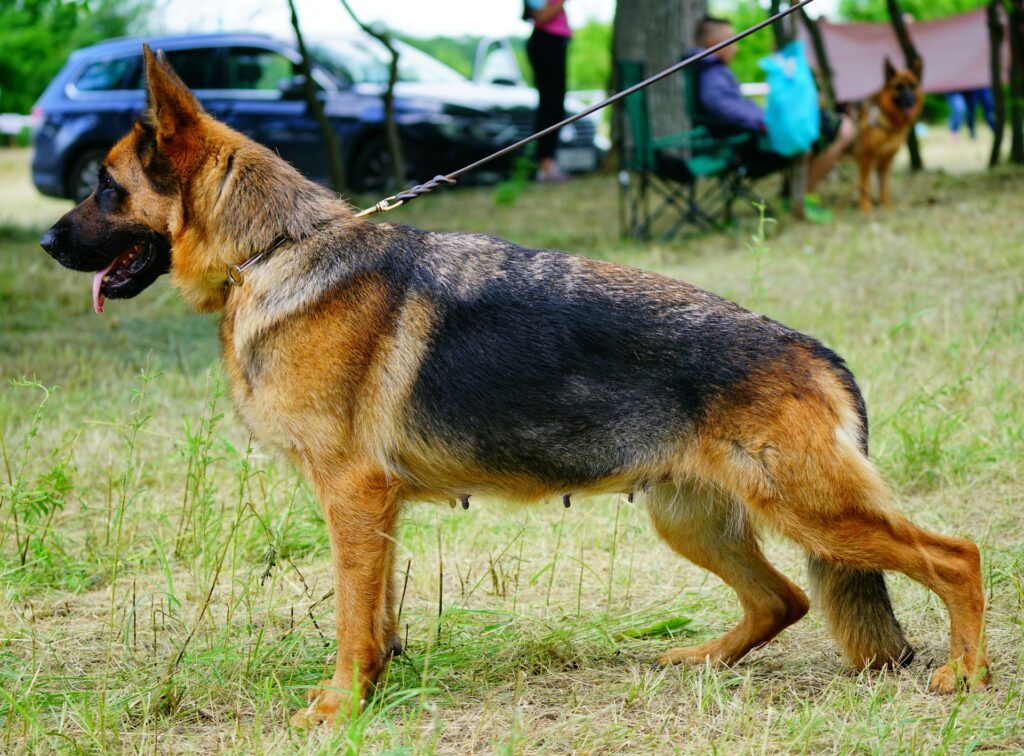
6. German Shepherd
German Shepherds are confident, loyal, and extremely intelligent. They excel in obedience, protection, and working roles, making them easy to train when provided structured, consistent, and early training routines.
7. Bearded Collie
Bearded Collies are energetic, intelligent, and eager to learn. Their playful nature makes training enjoyable, and they respond well to positive reinforcement, consistent commands, and mentally stimulating activities.
Tips for Training Any Dog Breed
Even if a breed is known to be easy to train, success depends on your approach. Here are some essential training tips:
1. Start Early
Puppies have a higher learning capacity and are more receptive to commands. Begin training as soon as you bring your dog home.
2. Use Positive Reinforcement
Reward good behavior with treats, toys, or praise. Avoid punishment, which can create fear and confusion.
3. Keep Sessions Short
Dogs, especially puppies, have short attention spans. Limit training sessions to 10–15 minutes and repeat multiple times a day.
4. Be Consistent
Use the same commands and rules consistently. Consistency helps dogs understand expectations and reduces confusion.
5. Socialize Your Dog
Expose your dog to new environments, people, and other animals. Socialized dogs adapt more easily to training and new situations.
6. Be Patient
Training takes time. Celebrate small successes and gradually build up to more complex commands.
Factors That Influence Trainability in Dogs
Before choosing a dog breed based solely on trainability, it’s important to understand the factors that affect a dog’s ability to learn:
1. Intelligence
Dogs with high intelligence can grasp commands faster and problem-solve better. Breeds like Border Collies are often ranked as the smartest dogs and can learn complex tasks quickly.
2. Temperament
Calm and eager-to-please dogs are generally easier to train. A dog that is highly independent or stubborn may require more patience and consistency.
3. Socialization
Dogs that are exposed to people, other animals, and new environments from an early age tend to adapt more easily to training and follow commands better.
4. Motivation
Dogs motivated by treats, toys, or praise are easier to train. Knowing what drives your dog helps in reinforcing positive behavior.
5. Age
Puppies are usually more receptive to training, but adult dogs can also learn with patience and proper techniques.
Dog Breeds and Genetic Diversity
Maintaining the genetic diversity of dog breeds is crucial to preventing inherited diseases and health issues. Responsible breeding practices focus on health, temperament, and maintaining breed standards, ensuring dogs are healthy and well-adjusted.

How Dog Breeds Are Recognized
Dog breeds are officially recognized by kennel clubs and canine organizations. They establish breed standards, including:
- Physical appearance (size, coat, color)
- Behavior and temperament
- Health and breeding guidelines
Prominent organizations include:
- American Kennel Club (AKC)
- United Kennel Club (UKC)
- The Kennel Club (UK)
Recognition ensures responsible breeding and the preservation of breed traits.
Mixed Breeds vs. Purebreds
Not all dogs belong to a single breed. Mixed-breed dogs are crosses between two or more breeds. While they may inherit traits from parent breeds, their characteristics are less predictable.
Advantages of mixed breeds:
- Generally healthier with fewer genetic disorders
- Unique appearance and personality
- Often easier to adopt from shelters
Advantages of purebreds:
- Predictable traits and behavior
- Easier to train due to known characteristics
- Recognized by breed organizations
Conclusion
Choosing a dog breed that is easy to train depends on intelligence, temperament, and motivation. Breeds like Border Collies, Labradors, and Poodles thrive with consistent, positive training, ensuring a well-behaved, happy, and loyal companion for any family.