
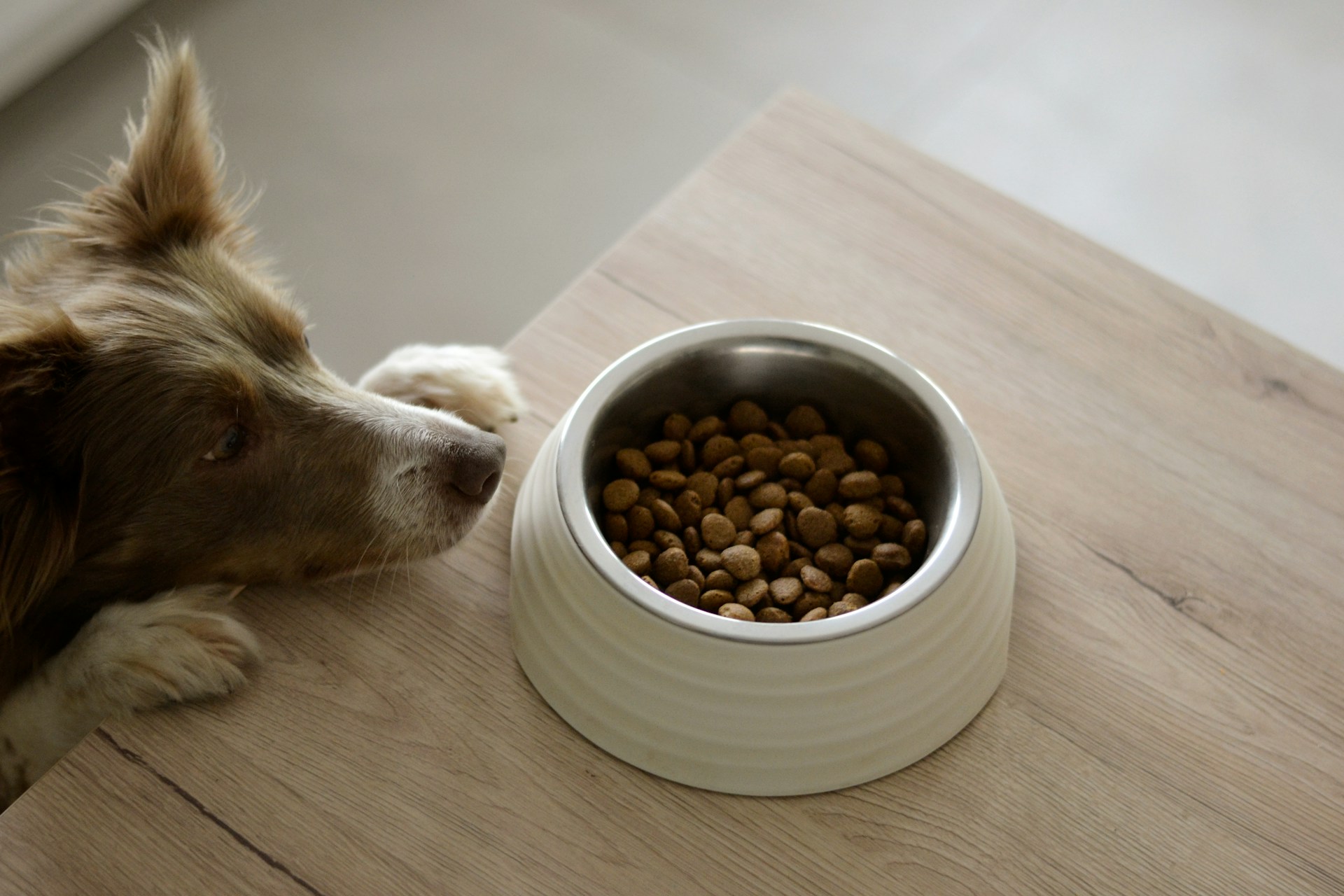
Discover what dog food is high in protein, its benefits, top sources, and tips to support your dog’s muscle growth, energy, and overall health.
Feeding your dog the right diet is crucial for their health, energy, and overall well-being. Protein is a vital nutrient for dogs, supporting muscle development, tissue repair, immune function, and overall vitality. Choosing dog food high in protein ensures your canine companion receives optimal nutrition for growth, maintenance, and activity.
Just like rigorous safety testing validates products against stringent standards before release, selecting dog food requires careful evaluation to ensure quality, nutrient content, and suitability for your dog’s specific needs.
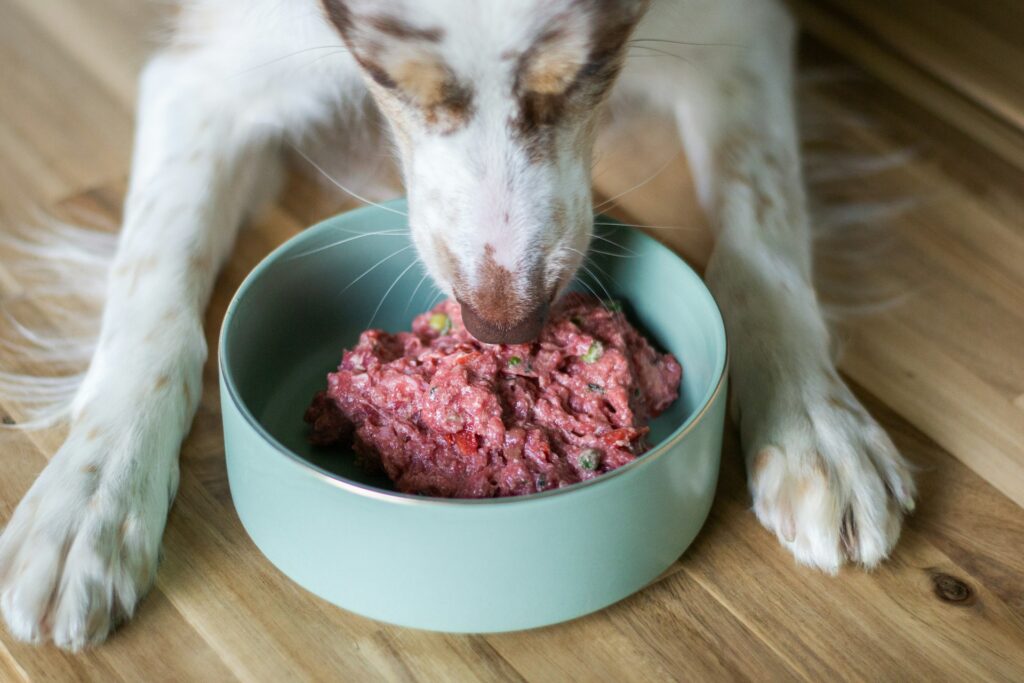
Understanding Protein in Dog Food
Protein is one of the most essential nutrients for dogs. It helps build and repair muscles, supports a healthy immune system, and provides energy for daily activities. Dogs require a higher percentage of protein in their diet compared to humans, making it crucial to choose foods that are rich in high-quality protein sources.
Why Protein Is Important for Dogs
Protein is made up of amino acids, which are essential for the repair and growth of tissues, hormone production, and a healthy immune system. Dogs require protein in their diet to:
- Maintain lean muscle mass, especially in active or working dogs.
- Support healthy skin and a shiny coat.
- Boost energy levels and overall stamina.
- Aid in recovery from illness or injury.
The amount of protein a dog needs depends on factors like age, breed, activity level, and health condition. Puppies and active dogs typically need higher protein content compared to older or less active dogs.
Signs Your Dog Might Need More Protein
Not all dogs require high-protein diets, but certain signs may indicate a need for more protein:
- Weak or shrinking muscles
- Dull, dry, or thinning coat
- Lethargy or lack of energy
- Poor recovery after exercise
- Slow growth in puppies
If you notice these signs, it’s a good idea to consult a veterinarian to determine if a high-protein diet is appropriate.
Best Protein Sources in Dog Food
When choosing high-protein dog food, focus on quality protein sources that provide essential amino acids, support muscle growth, energy, and overall health for your dog’s active lifestyle.
Chicken
Chicken is a lean, easily digestible protein source, widely available in dog foods, and provides essential amino acids that support strong muscles, energy, and overall health.
Beef
Beef is rich in essential amino acids, iron, and nutrients that aid muscle development, energy production, and overall strength, making it ideal for active or large-breed dogs.
Lamb
Lamb is gentle on sensitive stomachs while providing high-quality protein and essential nutrients, supporting healthy muscles, energy levels, and overall well-being for dogs with dietary sensitivities.
Fish (Salmon, Whitefish)
Fish, such as salmon and whitefish, offer high-quality protein and omega-3 fatty acids, promoting healthy skin, a shiny coat, strong muscles, and optimal brain function.
Eggs
Eggs are a complete protein source containing all essential amino acids, supporting strong muscles, energy, and overall health while being easily digestible for most dogs.
Turkey
Turkey is a lean, low-fat protein source suitable for most dogs, offering essential amino acids, supporting muscle maintenance, energy levels, and overall health without excess fat.
What Dog Food Is High in Protein?
Best High-Protein Dog Foods for Active Breeds & Seniors
High-protein dog foods are ideal for active breeds and senior dogs, helping maintain muscle, prevent weight loss, and support joint health. Protein-rich diets ensure energy, stamina, and overall well-being.
1. Taste of the Wild Ancient Prairie with Ancient Grains
This dry dog food combines real roasted meats with nutrient-rich ancient grains. High protein content supports lean muscle development, digestive health, and sustained energy for active dogs of all ages.
2. Crave Turkey Pate Grain-Free Canned Dog Food
Crave Turkey Pate is a grain-free wet food with high-quality turkey protein. It promotes muscle maintenance, improves coat health, and provides balanced nutrition in a convenient, palatable canned formula.
3. Open Farm Grass-Fed Beef Grain-Free Dry Dog Food
Open Farm offers responsibly sourced grass-fed beef with high protein levels. Grain-free and nutrient-rich, it supports strong muscles, energy, and overall health while prioritizing sustainable and ethical sourcing practices.
4. Instinct Frozen Raw Cage-Free Chicken Bites
Instinct’s frozen raw chicken bites are cage-free and nutrient-dense. Rich in protein, they enhance muscle growth, aid digestion, and mimic a natural diet for dogs with high energy requirements.
5. Primal Chicken Formula Nuggets Grain-Free Raw Freeze-Dried Dog Food
Primal’s freeze-dried chicken nuggets are grain-free, raw, and nutrient-packed. High protein content promotes lean muscle, healthy skin, and strong immunity while providing dogs with a convenient, natural, and wholesome diet.
6. Ziwi-Peak Lamb Grain-Free Air-Dried Dog Food
Ziwi-Peak’s air-dried lamb dog food is grain-free and protein-rich. It supports healthy muscle development, weight management, and energy levels while delivering natural nutrients in a minimally processed, easily digestible format.
Types of High-Protein Dog Foods
High-protein dog foods come in various forms. Choosing the right type depends on your dog’s age, activity level, dietary needs, and personal preferences.
1. Dry Dog Food (Kibble)
Dry kibble is convenient, long-lasting, and easy to store. Many formulas contain 30%–40% protein, ideal for active, large-breed, or working dogs needing strong muscles and energy.
2. Wet Dog Food
Wet dog food contains higher moisture, supporting hydration and digestion. Protein content is 8%–12% by weight, but dry-matter analysis shows higher protein for picky or dental-sensitive dogs.
3. Raw or Freeze-Dried Diets
Raw or freeze-dried diets often provide 40%+ protein, including meats, organs, and bones. Proper handling and preparation are essential to ensure safety and balanced nutrition.
4. Homemade Dog Food
Homemade diets allow complete control over protein sources like chicken, beef, turkey, fish, and eggs, while ensuring balanced nutrition with vegetables, grains, and necessary supplements.
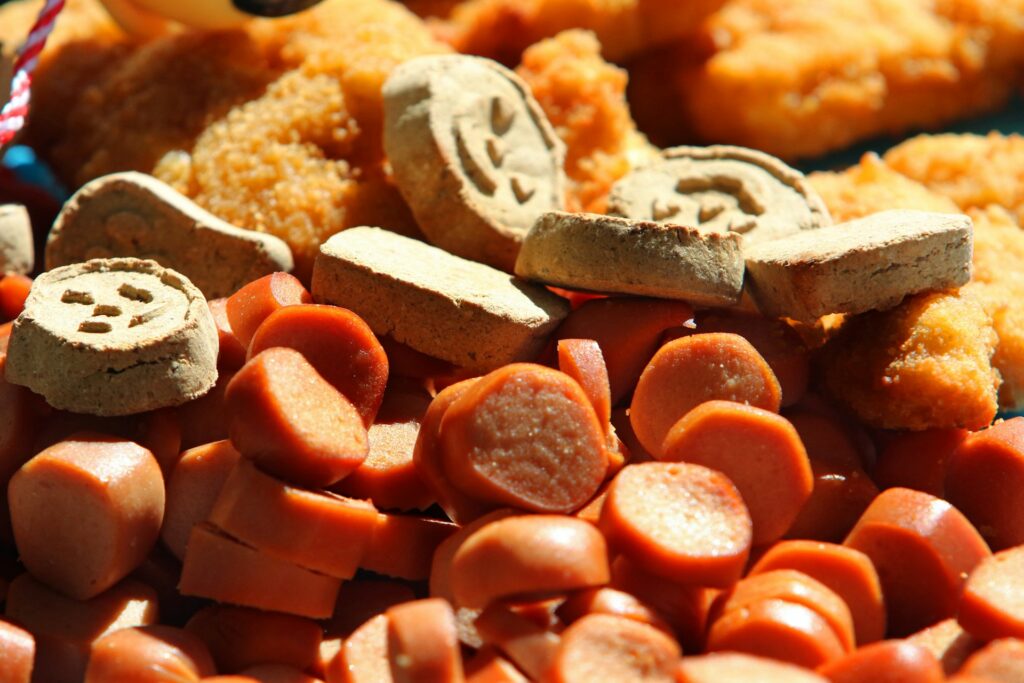
Benefits of High-Protein Dog Food
High-protein dog food offers several advantages:
- Maintains lean muscle mass and body weight
- Improves coat texture and skin health
- Supports energy and endurance for active dogs
- Enhances recovery from illness or surgery
- Promotes satiety and healthy weight management
Potential Risks of Excess Protein
Too much protein can strain the kidneys, especially in dogs with pre-existing kidney conditions. It’s important to choose high-quality protein and consult a veterinarian if you plan to feed a protein-rich diet long-term. Balance is key.
How to Identify High-Protein Dog Food
Carefully examine the ingredient list and nutritional label to ensure your dog receives high-quality protein, essential nutrients, and a balanced diet supporting energy, muscle growth, and overall health.
Animal-Based Protein Sources
Choose dog foods with real meat, such as chicken, beef, lamb, or fish, as the first ingredient for easily digestible, complete protein and essential amino acids.
Guaranteed Protein Percentage
Look for high-protein dog foods containing at least 25%–30% protein for adult dogs, and 30%–40% for puppies or active breeds to support growth and energy needs.
Whole Ingredients vs. By-Products
Opt for whole meats rather than meat by-products, as whole meats provide higher-quality protein, essential nutrients, and better digestibility, ensuring overall health and strong muscle development.
Balanced Nutrition
High-protein dog foods should also include healthy fats, carbohydrates, vitamins, and minerals to maintain overall nutrition, supporting joints, digestion, immunity, and long-term health without compromising balance.
Conclusion
Feeding your dog high-protein food supports muscle growth, energy, and overall health. Choosing quality protein sources tailored to your dog’s age, activity, and health ensures optimal nutrition, vitality, and a long, active, and happy life.


2 thoughts on “What Dog Food Is High in Protein: A Comprehensive Guide”