
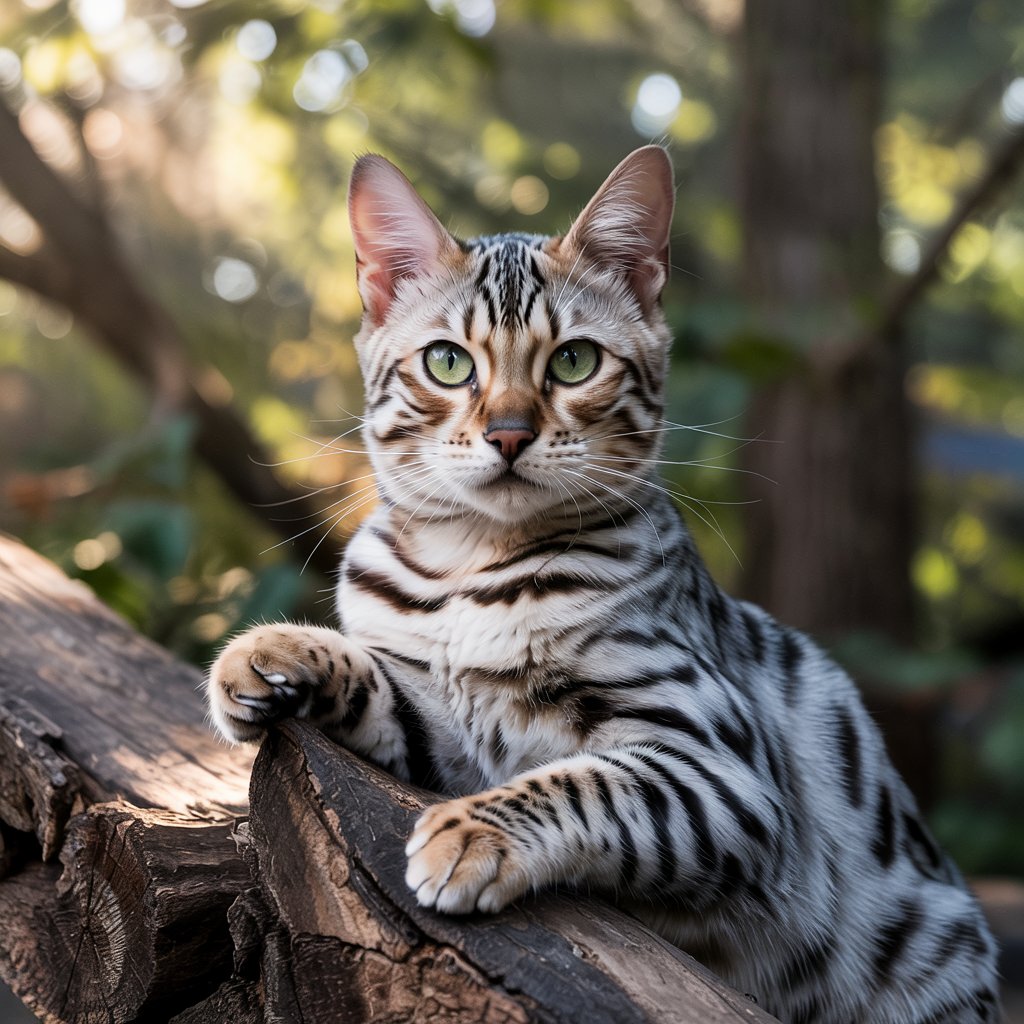
Learn about What is a Bengal Cat. Learn about Bengal cats, a breed known for its leopard-like coat, intelligence, and energy. Discover their history, care, and challenges to decide if they’re the right pet for you.
A Bengal cat is a striking breed known for its leopard-like spots, energetic personality, and intelligent behavior. It’s not just any domestic feline. It’s a hybrid cat that combines the wild looks of an Asian leopard cat with the friendly traits of a house pet. Bengal cats are admired for their unique appearance, playfulness, and strong bonding with humans.
What is a Bengal Cat?
A Bengal cat is a domesticated breed known for its striking wild appearance, resembling a leopard. It was created by breeding domestic cats with the Asian leopard cat. Bengals are active, intelligent, and affectionate, making them popular pets for those who can provide ample attention, space, and stimulation.
Origin and History of Bengal Cats
The Bengal cat breed began in the 1960s when breeder Jean Mill crossed an Asian leopard cat (Prionailurus bengalensis) with a domestic cat. The goal was to create a pet with the looks of a wild cat but the temperament of a house cat.
By the 1980s, the breed was recognized and gaining popularity. Bengal cats are known globally for their exotic look and playful energy.
Interesting Facts:
- “Bengal” originated from the scientific name of the Asian Leopard Cat.
- Bengals are a hybrid breed of wild and domestic cats.
- This breed was officially recognized in 1983 by the International Cat Association (TICA).
Physical Characteristics of Bengal Cats
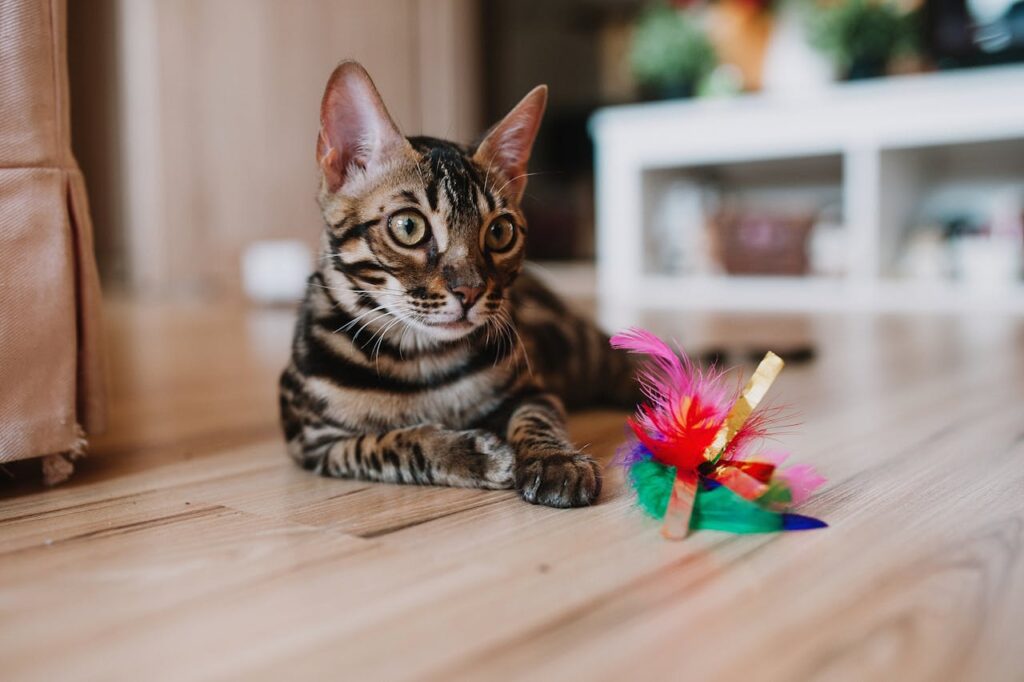
One of the most noticeable features of a Bengal cat is its coat. The coat of a Bengal is short, sleek, and feels soft to the touch. It features striking spots or marbled patterns that resemble those of wild leopards. The patterns can vary from rosette-shaped spots to large, irregular patches, creating a beautiful, exotic look.
Other physical characteristics of Bengal cats include:
- Size: Bengals are medium to large-sized cats, with males generally weighing between 10-15 pounds and females between 8-12 pounds.
- Eyes: They have large, almond-shaped eyes, often in shades of green, gold, or copper.
- Build: Bengal cats have a muscular and athletic build, with a long, lean body that highlights their strength and agility.
- Coat Colors: Bengal cats come in various colors, such as brown, silver, and snow (a pale, almost white color).
Caring for a Bengal Cat
Bengal cats require special care to ensure they remain healthy and happy. Their active nature and intelligence mean they need plenty of stimulation and interaction. Important aspects of caring for a Bengal cat include:
1. Exercise and Play
Because Bengal cats are highly energetic, they need regular exercise to stay fit and burn off their energy. Interactive toys, climbing structures, and puzzle feeders are excellent ways to keep a Bengal cat entertained. These cats love to climb and explore, so providing them with vertical space, such as cat trees or shelves, is essential.
2. Diet
Bengal cats are prone to obesity if not fed properly. They need a diet that is well-balanced and caters to their nutritional requirements. High-quality protein sources, such as chicken, turkey, or fish, should be included in their diet. It’s also important to monitor their weight and avoid overfeeding.
3. Grooming
While Bengal cats have short coats, they still require regular grooming to keep their fur shiny and healthy. Brushing once a week is usually sufficient to remove loose fur and prevent hairballs. Regular grooming helps check the cat for possible skin problems or parasites..
4. Health Care
Like all cats, Bengals require regular veterinary check-ups to stay healthy. They are generally a healthy breed but can be prone to specific genetic conditions, such as heart disease (hypertrophic cardiomyopathy) and kidney issues. Early detection of any health problems is crucial for maintaining their quality of life.
Training a Bengal Cat
Bengal cats are highly trainable, which makes them stand out from many other cat breeds. They can learn commands, use a litter box, and even walk on a leash with proper training. Their intelligence means they enjoy learning new tricks and can be taught to fetch, sit, or jump on command.
Training a Bengal cat requires patience, consistency, and positive reinforcement. Using treats and praise as rewards is an effective way to encourage good behavior. With time, most Bengals can be trained to follow basic commands.
Bengal Cats vs Other Cat Breeds
Wondering how Bengal cats compare to others?
| Feature | Bengal Cat | Maine Coon | Siamese Cat |
| Energy Level | Very High | Moderate | High |
| Intelligence | High | Moderate | High |
| Appearance | Leopard-like coat | Fluffy and large | Sleek and slim |
| Maintenance | Low | Moderate | Low |
| Vocal Nature | High | Low | Very High |
Adopting a Bengal Cat
If you’re considering adopting a Bengal cat, there are a few important things to keep in mind. Bengals are not for everyone, as their high energy levels and need for attention can be overwhelming for some owners. Things to consider before adopting a Bengal:
- Time commitment: Bengals need a lot of interaction and playtime.
- Space: They need space to explore and climb, so a larger home or apartment with vertical space is ideal.
- Other pets: Bengals typically do well with other pets, especially if introduced early, but their energetic nature may not be compatible with older or more reserved cats.
Owning a Bengal: Considerations and Potential Challenges
1. High Energy Levels
Bengal cats are incredibly active, requiring regular play and exercise. Their high energy can be overwhelming, and without sufficient stimulation, they may engage in destructive behavior or become frustrated.
2. Training Requirements
Bengals are highly intelligent and need mental stimulation. Consistent training is essential, as they can quickly learn tricks. However, if not regularly challenged, they may become bored, leading to mischievous behavior.
3. Vocal Nature
Bengals are known for being vocal, often communicating with their owners through meows, chirps, or purrs. Their vocalizations can be persistent, which might be challenging for those preferring quieter cats.
Bengal Cat Cons
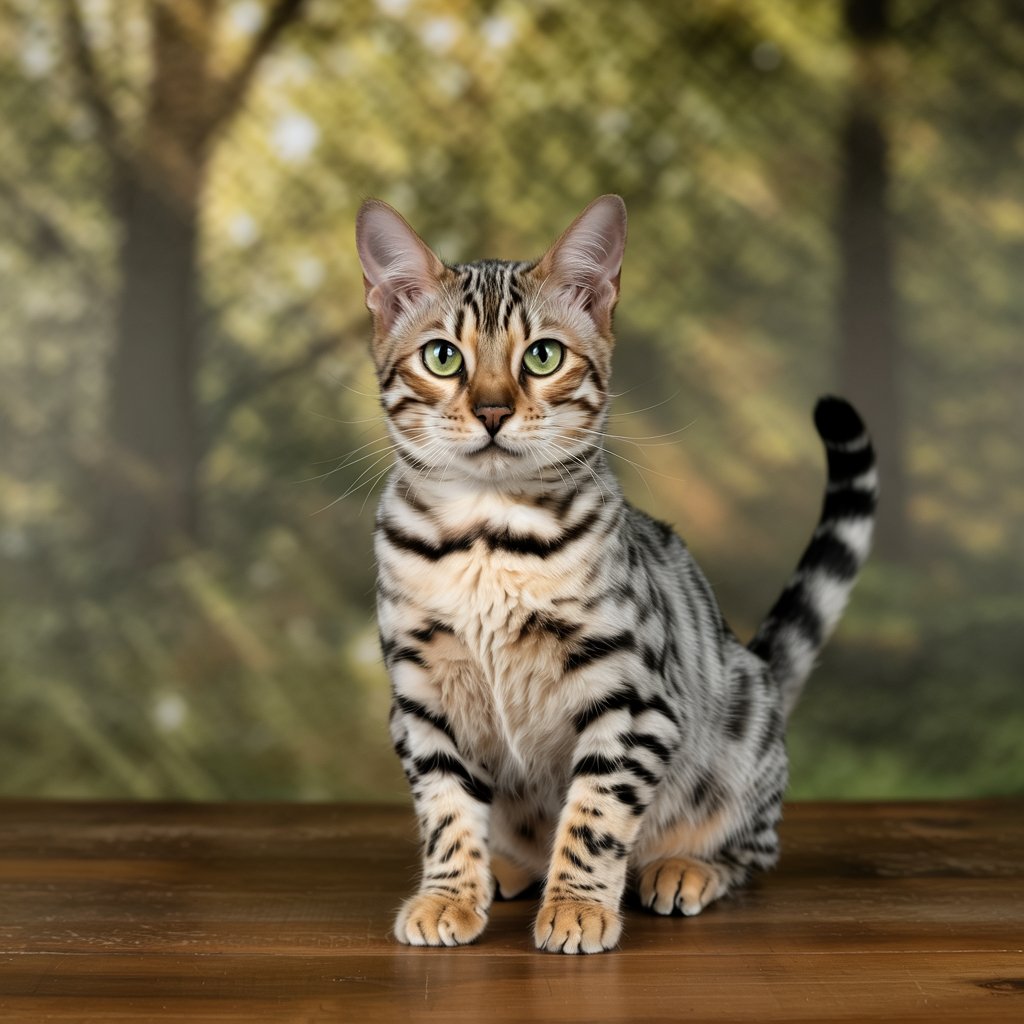
- High Energy Levels: Bengal cats are highly active and require frequent exercise. They can become restless without enough stimulation, leading to destructive behavior and frustration.
- Extremely Chatty: Bengals are vocal and tend to communicate frequently through meows and chirps. Their constant vocalizations can be disruptive and might not suit people who prefer quieter pets.
- Mischievous: Their curious and intelligent nature can lead Bengals to get into trouble. They may explore areas they shouldn’t, knock things over, or engage in other mischievous behaviors if left unsupervised.
- Can Suffer Separation Anxiety: Bengals form strong bonds with their owners and may struggle with being left alone for long periods. This can lead to anxiety, resulting in destructive behavior or excessive vocalization.
FAQs
What is a Bengal cat known for?
A Bengal cat is known for its wild-looking coat, high energy, and intelligence. It closely resembles a leopard but acts like a house cat.
What is a Bengal cat’s life expectancy?
Bengal cats typically live between 12 to 16 years when given proper care, good nutrition, and regular veterinary attention.
Are Bengal cats friendly?
Yes, Bengal cats are affectionate and social. They enjoy interacting with their owners and can be quite playful.
Are Bengal cats hypoallergenic?
No, Bengal cats are not hypoallergenic, but some people with allergies may find them easier to tolerate due to their shorter coat.
Conclusion
Bengal cats are one of the most visually stunning and dynamic cat breeds. Their wild appearance, combined with their affectionate and playful personality, makes them a popular choice for cat lovers.
While they require specific care, including regular exercise, a balanced diet, and plenty of mental stimulation, Bengal cats are incredibly rewarding to own. If you’re looking for an energetic, intelligent, and visually striking pet, a Bengal cat might be the perfect companion for you.

2 thoughts on “What is a Bengal Cat? Physical Characteristics of Bengal Cats”