Learn how to calm an anxious cat with safe, practical tips for reducing stress, creating a calm environment, managing triggers, and knowing when to see a veterinarian.
Cat anxiety is a state of fear, stress, or nervousness that occurs when a cat feels threatened or uncertain. Cats often respond to stress by hiding, avoiding interaction, becoming vocal, or changing their normal behavior.
Some cats experience short-term anxiety because of a specific event, while others may develop ongoing stress. Understanding your cat’s behavior is the first step toward helping them feel secure.
Signs of an Anxious Cat
Cats can show anxiety in different ways. Some signs may be easy to notice, while others can be subtle.
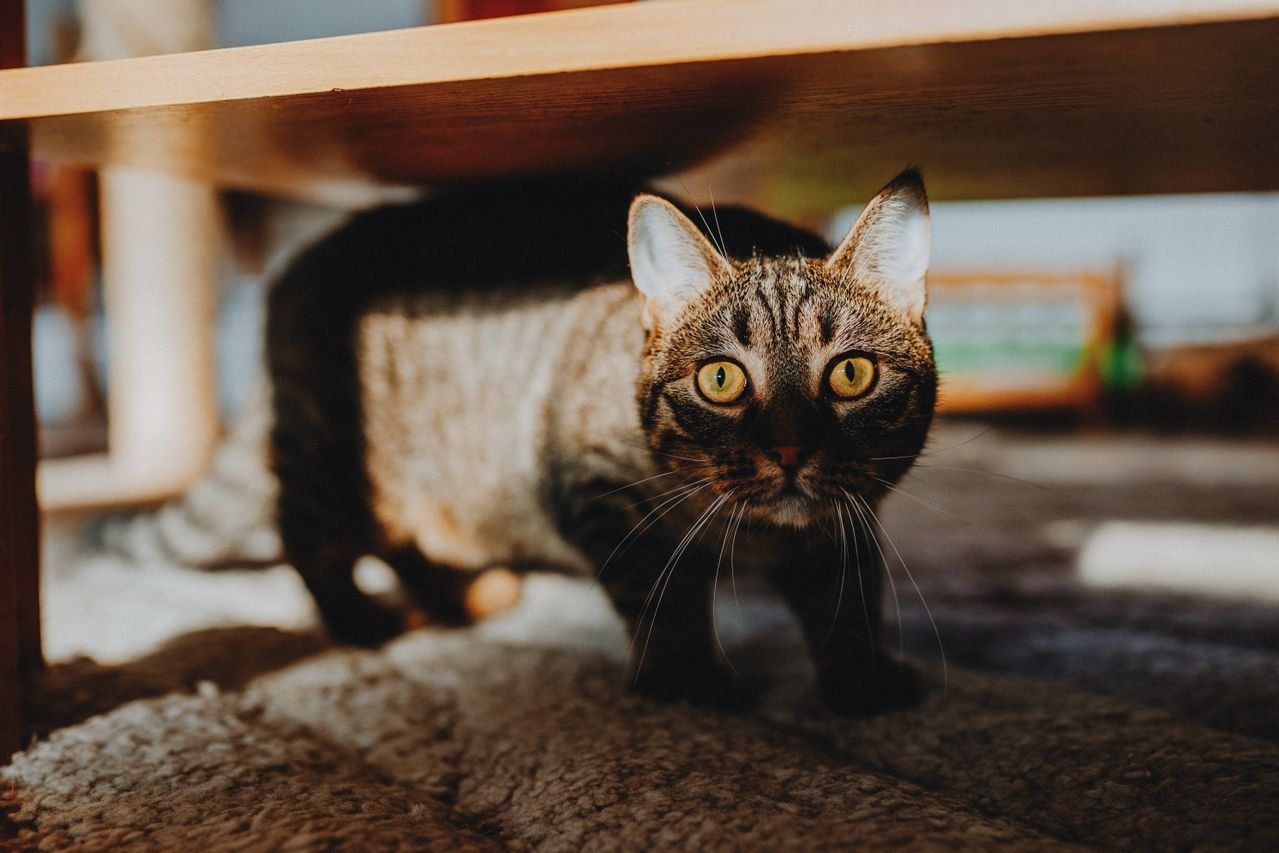
Common signs of an anxious cat include:
- Hiding more than usual
- Excessive meowing or vocalization
- Restlessness or pacing
- Flattened ears
- Dilated pupils
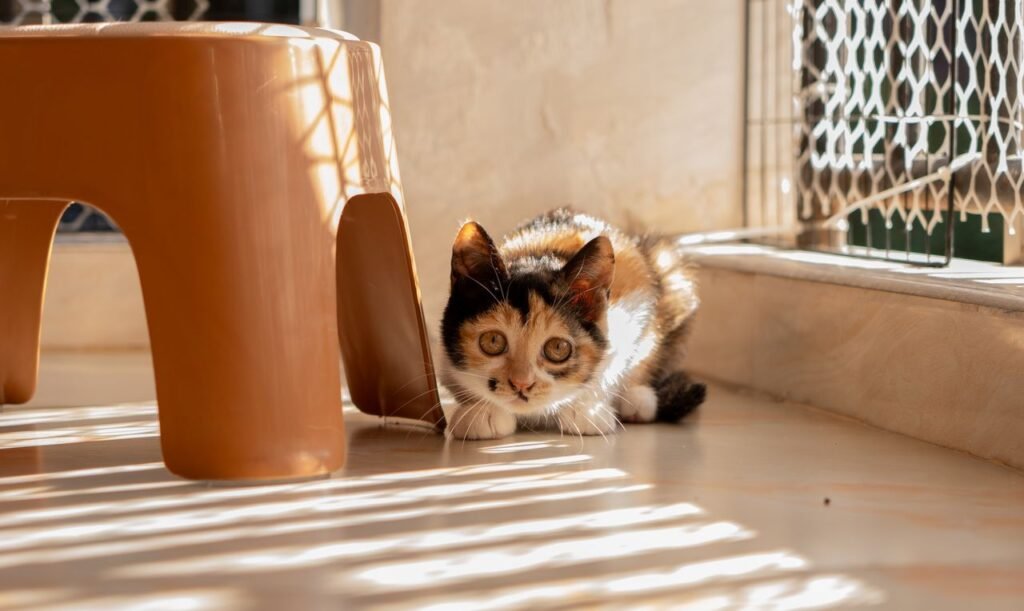
- Crouching or keeping the body low
- Excessive grooming
- Avoiding people or other animals
- Loss of appetite
- Changes in litter box habits
- Aggressive or defensive behavior
- Scratching furniture more frequently
- Following their owner constantly
- Becoming unusually quiet
A sudden behavior change deserves attention because illness or pain can sometimes look like anxiety.
Common Causes of Anxiety in Cats
Anxiety in cats often stems from one or more of the following:
- Environmental changes moving homes, rearranging furniture, or renovations
- New additions to the household a new pet, baby, or roommate
- Loud noises thunderstorms, fireworks, construction
- Travel or vet visits
- Separation from an owner they’re closely bonded
- Past trauma, especially in rescue or previously stray cats
- Lack of stimulation or territory, particularly in multi-cat households
- Changes in routine, like a shifted feeding schedule or new work hours
Identifying the trigger even loosely helps you tailor the right calming strategy.
Proven Strategies to Calm an Anxious Cat
1. Create a Safe, Predictable Space
Cats feel more secure when they have a dedicated retreat. Set up a quiet room or corner with their bed, litter box, food, water, and a few hiding spots like a covered bed or cardboard box. Keep this space consistent don’t rearrange it so your cat always knows where to go when overwhelmed.
2. Stick to a Routine
Cats thrive on predictability. Feed, play, and interact with your cat at roughly the same times each day. Consistent routines reduce uncertainty, which is one of the biggest drivers of feline stress.
3. Use Pheromone Diffusers or Sprays
Synthetic feline facial pheromone products (such as Feliway) mimic the calming pheromones cats naturally produce when they feel safe. Plugging in a diffuser in your cat’s main living area can meaningfully reduce anxiety-related behaviors like scratching, hiding, and spraying over a period of weeks.
4. Provide Vertical Space and Hiding Spots
Cats feel safer when they can observe their environment from a height or retreat somewhere enclosed. Cat trees, wall-mounted shelves, and simple cardboard boxes give your cat control over their surroundings, which is a powerful anxiety reducer.
5. Engage in Regular Play and Enrichment
Interactive play using wand toys, laser pointers, or puzzle feeders helps burn off nervous energy and redirects anxious behavior into something productive. Aim for two short play sessions a day, mimicking the natural hunt-catch-eat cycle, which is deeply satisfying and calming for cats.
6. Try Calming Aids
Several vet-approved options can help:
- Calming treats or chews with ingredients like L-theanine or hydrolyzed casein
- Thundershirts or calming wraps, which apply gentle, swaddling pressure
- Catnip or silvervine, which have a relaxing effect on many (though not all) cats
- CBD products formulated for cats only under veterinary guidance, since dosing and quality vary widely
Always consult your vet before introducing supplements or wraps, especially if your cat has underlying health conditions.
7. Introduce Changes Gradually
If you’re bringing home a new pet, baby, or piece of furniture, do it slowly. For introductions between animals, use scent swapping and short, supervised meetings over days or weeks rather than a single abrupt introduction.
8. Minimize Loud Noises and Sudden Stimuli
During fireworks or storms, close curtains, play soft background music or white noise, and let your cat retreat to their safe space without forcing interaction. Avoid picking up or restraining a frightened cat, as this can heighten stress.
9. Respect Their Space — Don’t Force Affection
It’s tempting to comfort an anxious cat with cuddles, but forced affection often backfires. Let your cat approach you. Sit calmly nearby, avoid direct eye contact (which cats can perceive as threatening), and let them initiate contact when ready.
10. Consider Professional Help for Chronic Anxiety
If your cat’s anxiety is severe, persistent, or accompanied by aggression or self-harm (like over-grooming), consult a veterinarian or a certified feline behaviorist. In some cases, vets may prescribe anti-anxiety medication, particularly for situational anxiety like travel or storms, or for generalized anxiety disorders.
A Sample Calming Routine
For cats dealing with ongoing anxiety, consistency matters more than any single fix. Here’s a simple daily framework:
| Time | Activity |
| Morning | Feed at the same time, brief calm interaction |
| Midday | 10–15 minute interactive play session |
| Afternoon | Quiet time, access to a safe space, pheromone diffuser running |
| Evening | Second play session, followed by feeding (mimics natural hunt-eat-rest cycle) |
| Night | Consistent bedtime routine, low household noise |
When to See a Veterinarian
Seek professional guidance if you notice:
- Anxiety lasting more than a few weeks despite intervention
- Self-injurious behavior (bald patches, sores from grooming)
- Sudden aggression toward people or other pets
- Refusal to eat for more than 24 hours
- Signs of anxiety alongside other symptoms like vomiting, diarrhea, or lethargy
These could indicate an underlying medical issue or an anxiety level that requires behavioral therapy or medication.
How to Calm a Cat During a Stressful Event
Some situations require immediate calming measures.
During Thunderstorms
Move your cat to a quiet interior room if possible. Close windows and curtains, provide a hiding place, and allow your cat to remain where it feels safest.
During Fireworks
Keep your cat indoors and reduce exposure to loud sounds and flashes. Provide familiar bedding and a secure hiding area.
When Guests Arrive
Give your cat access to a quiet room before guests arrive. Do not force the cat to interact with visitors.
During a Move
Keep your cat in a secure, quiet room while other parts of the home are being packed or moved. Once you arrive at the new home, start with a small safe area before gradually introducing the cat to the rest of the house.
What Not to Do When Your Cat Is Anxious
Knowing what not to do is just as important as knowing what helps.
Avoid:
- Yelling at your cat
- Punishing hiding
- Chasing a frightened cat
- Forcing physical contact
- Making sudden movements
- Introducing too many changes at once
- Ignoring sudden behavioral changes
- Giving medication without veterinary guidance
A frightened cat needs safety and patience rather than punishment.
When Should You Contact a Veterinarian?
Contact a veterinarian if your cat’s anxiety is severe, persistent, worsening, or accompanied by other concerning changes. Professional advice is especially important if your cat:
- Stops eating
- Stops drinking
- Has repeated vomiting or diarrhea
- Has significant litter box changes
- Shows sudden aggression
- Hides continuously
- Appears painful or unwell
- Loses weight
- Becomes unusually lethargic
- Shows a sudden and unexplained behavior change
A veterinarian can help determine whether an underlying medical issue is contributing to the behavior and can recommend appropriate treatment if anxiety is diagnosed.
Conclusion
Learning how to calm an anxious cat takes patience, consistency, and understanding. Create a safe environment, maintain routines, provide enrichment, reduce stressful triggers, and respect your cat’s personal space. If anxiety continues or causes concerning behavior, consult a veterinarian. With the right support and care, your cat can feel safer, calmer, and more comfortable.