Learn what a Vizsla puppy is, including its temperament, exercise, training, feeding, grooming, health needs, and care tips for new owners.
A Vizsla puppy is a baby dog of the Vizsla breed, a medium-sized hunting dog originally developed in Hungary centuries ago to track, point, and retrieve game for hunters. Vizsla puppies are born with the same core traits that define the adult breed: a lean, muscular frame, a distinctive golden-rust coat, and an intensely people-oriented personality.
Unlike many working breeds that can be independent, Vizsla puppies are bred to work in close partnership with humans. This heritage shows up early; even young puppies tend to seek out physical closeness, follow their owners from room to room, and show discomfort when left alone for long periods.
What Does a Vizsla Puppy Look Like?
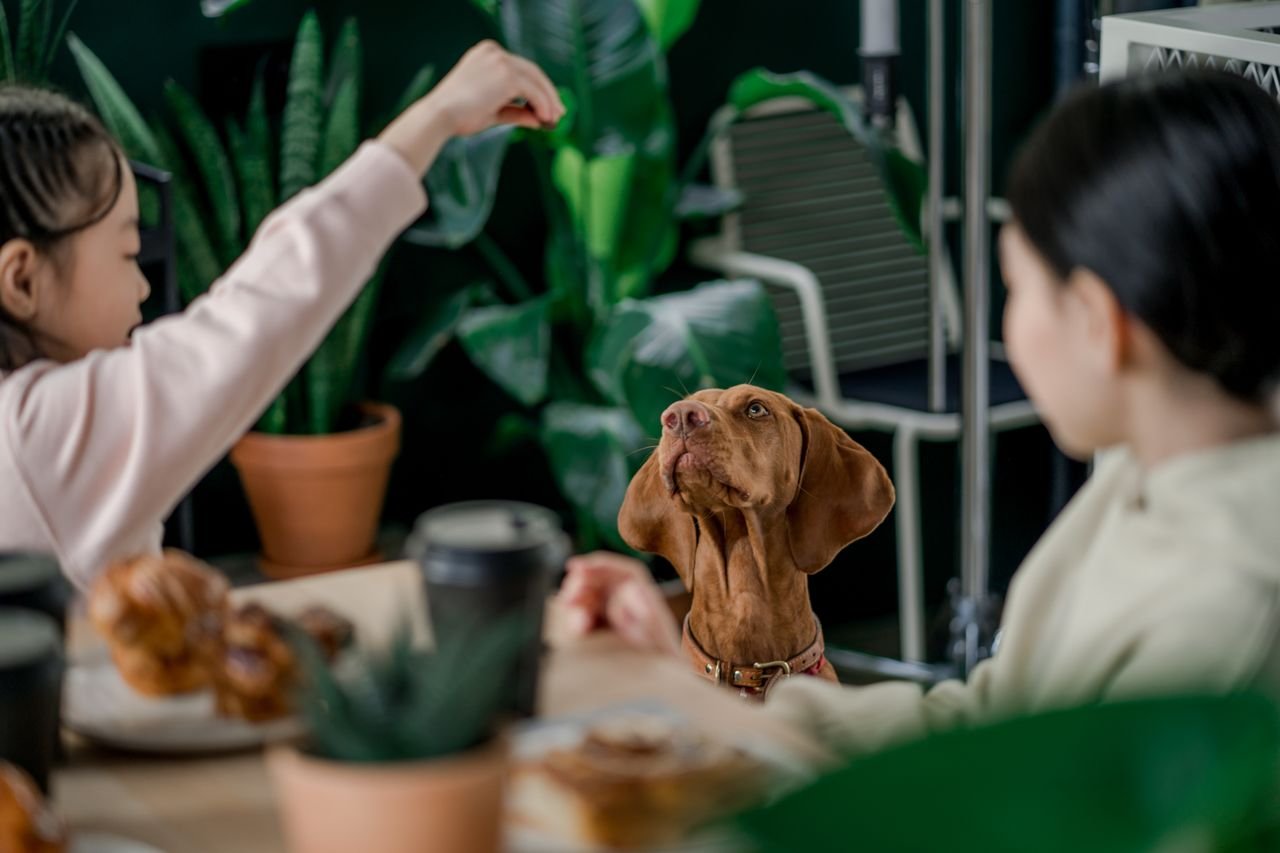
A Hungarian Vizsla puppy has a short, smooth coat that typically develops into the breed’s characteristic golden-rust color. Puppies have an athletic body, long legs, floppy ears, and an expressive face. As they mature, Vizslas generally develop:
- A lean and muscular body
- Long, athletic legs
- Medium-sized floppy ears
- A short, dense coat
- A distinctive golden-rust color
- A long muzzle
- An alert and intelligent expression
Vizslas are built for endurance and movement rather than heavy body mass.
Vizsla Puppy Temperament and Personality
Understanding temperament is often the most important part of answering “what is a Vizsla puppy,” since this breed’s personality has a major impact on whether it’s the right fit for a household.
Highly Affectionate
Vizsla puppies form deep attachments to their families. They’re known for wanting constant physical contact, leaning against their owners, sleeping curled up beside them, and following them around the house.
Energetic and Athletic
Bred as hunting dogs, Vizsla puppies have high exercise requirements. They need daily physical activity and mental stimulation to stay happy and avoid destructive behaviors like chewing or excessive barking.
Intelligent and Trainable
Vizslas are quick learners, which makes early training relatively straightforward when approached with positive reinforcement. However, their intelligence also means they can become bored easily, so training sessions should stay varied and engaging.
Sensitive Nature
Vizsla puppies tend to be sensitive to their owner’s tone and mood. Harsh corrections or heavy-handed training methods can cause anxiety or shutdown behavior. Gentle, consistent, reward-based training works best.
Prone to Separation Anxiety
Because of their strong attachment to people, Vizsla puppies can struggle with being left alone. Crate training and gradual independence exercises early on are important for preventing separation anxiety later in life.
Caring for a Vizsla Puppy
Exercise Needs
Vizsla puppies need regular exercise, but it’s important not to over-exercise them while their bones and joints are still developing. A general guideline is about five minutes of structured exercise per month of age, twice a day, until they reach adulthood. Free play in a secure yard is generally safer than long, forced runs during the growth period.
Feeding
Vizsla puppies should be fed a high-quality puppy food formulated for medium-breed dogs with moderate-to-high energy needs. Because Vizslas are lean by nature, owners should monitor body condition closely and follow feeding guidelines appropriate to the puppy’s age and weight, adjusting portions as recommended by a veterinarian.
Grooming
Thanks to their short coat, Vizsla puppies require minimal grooming, occasional brushing to remove loose hair and routine nail trims, ear checks, and teeth cleaning are usually sufficient.
Training and Socialization
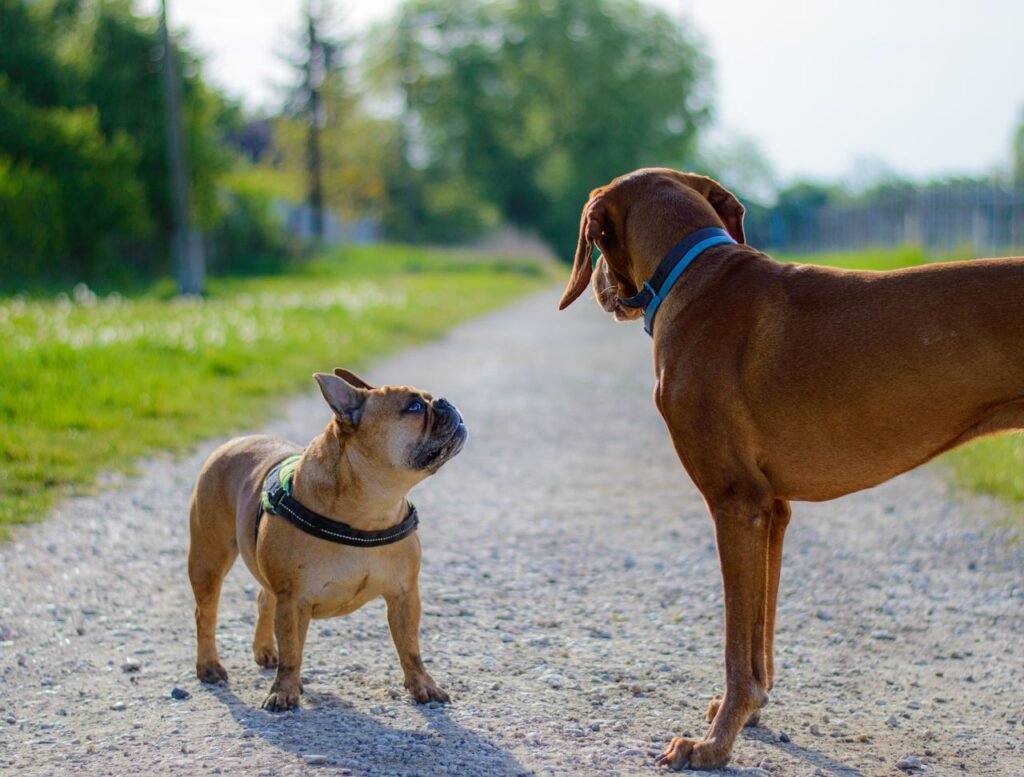
Early socialization is essential. Exposing a Vizsla puppy to different people, environments, sounds, and other animals during the first few months helps prevent fearfulness or over-excitability later on. Basic obedience training, crate training, and leash training should begin as early as possible.
Common Health Considerations
Vizsla puppies are generally a healthy breed, but like all purebred dogs, they can be prone to certain hereditary conditions, including:
- Hip dysplasia
- Epilepsy
- Hypothyroidism
- Progressive retinal atrophy
- Certain heart conditions
Reputable breeders typically screen parent dogs for these conditions, so it’s worth asking about health clearances when choosing a Vizsla puppy.
How Big Does a Vizsla Puppy Get?
A Vizsla puppy grows quickly during its first year. Adult size varies by sex and individual genetics, but the breed generally reaches a medium-sized adult build.
Adult Vizslas commonly weigh around 45–65 pounds (20–29 kg) and stand approximately 21–24 inches (53–61 cm) at the shoulder.
Puppy growth is influenced by genetics, nutrition, activity, and overall health. Instead of trying to make a puppy grow as quickly as possible, owners should focus on balanced nutrition and appropriate exercise.
How Do You Train a Vizsla Puppy?
Vizslas are intelligent and usually respond well to positive reinforcement. Start training as early as possible with simple commands and consistent household rules.
1. Start With Basic Commands
Teach commands such as:
- Sit
- Stay
- Come
- Down
- Leave it
- Drop it
Keep sessions short and engaging because young puppies have limited attention spans.
2. Use Positive Reinforcement
Reward desirable behavior with treats, praise, toys, or play. This helps the puppy understand which behaviors you want repeated.
3. Practice Recall
A reliable recall is especially important for an active sporting breed. Practice in controlled environments before allowing a puppy off-leash in appropriate secure areas.
4. Socialize Early
Introduce your puppy gradually to different people, environments, sounds, surfaces, and appropriately vaccinated dogs. Early positive experiences can help build confidence.
5. Teach Calm Behavior
Training should not focus only on physical activity. Puppies also need to learn how to settle, relax, and remain calm indoors.
What Should a Vizsla Puppy Eat?
A Vizsla puppy needs a complete and balanced diet formulated for puppies. Growing dogs have different nutritional requirements from adult dogs, so owners should select food appropriate for the puppy’s age, size, and development.
Important considerations include:
- Appropriate calories
- High-quality protein
- Balanced fats and carbohydrates
- Essential vitamins and minerals
- Fresh drinking water
- Portion control
Avoid overfeeding. Rapid or excessive growth can place unnecessary stress on developing bones and joints.
Your veterinarian can recommend an appropriate feeding schedule and portion based on the puppy’s individual growth and condition.
How Much Attention Does a Vizsla Puppy Need?
Vizslas are highly social dogs and often prefer being around their people. They may struggle if routinely left alone for long periods without proper preparation.
Before getting a Vizsla puppy, consider your daily schedule. If everyone in the household is away for most of the day, you may need a plan for companionship, exercise, training, and enrichment. A Vizsla generally thrives when it can participate in family life rather than being isolated.
Concluison
A Vizsla puppy is an affectionate, intelligent, and energetic companion that thrives on human interaction, exercise, training, and mental stimulation. With proper nutrition, early socialization, positive reinforcement, and responsible care, Vizslas can grow into loyal, well-behaved family dogs. Understanding their unique needs helps owners provide the attention, activity, and companionship this breed requires.