
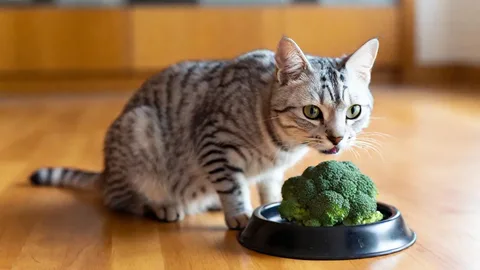
Can cats eat broccoli? Learn benefits, risks, proper portions, and safe ways to serve broccoli to cats while maintaining a healthy meat-based diet.
Introduction to Cats’ Diets
Cats are obligate carnivores, which means their bodies are designed primarily to consume meat. Unlike dogs or humans, cats rely heavily on proteins and fats for their energy needs. While some plant matter can be beneficial, their digestive systems are not naturally equipped to handle large amounts of vegetables.
However, small amounts of certain vegetables can provide fiber, vitamins, and antioxidants that may complement a balanced diet. Broccoli is one of these vegetables, but moderation and preparation are key.

Understanding Feline Nutrition
Cats require high protein and fat for energy, with minimal carbohydrates. Their bodies are unable to produce certain nutrients like taurine, making meat essential. Unlike humans, cats have a limited ability to digest plant-based foods.
Common Human Foods for Cats
Some human foods, like cooked chicken or certain fruits, can be safe in small amounts. However, many vegetables, seasonings, or processed foods may cause digestive upset. Pet owners often consider vegetables like broccoli due to their fiber and vitamin content, but moderation is key.
Broccoli Overview
Broccoli is a nutrient-rich vegetable, packed with vitamins, minerals, and antioxidants. It is commonly considered a “superfood” for humans, supporting immunity, digestion, and overall health.
Health Benefits of Broccoli for Humans
For humans, broccoli is high in vitamin C, vitamin K, folate, and fiber. It has antioxidant properties that support heart health, digestion, and may reduce inflammation. While cats don’t need broccoli, these nutrients can have mild benefits in moderation.
Nutrients in Broccoli That May Benefit Cats
Broccoli contains vitamin C, vitamin K, and fiber. Fiber can aid in digestion, while antioxidants may offer minor cellular protection. However, cats produce their own vitamin C, so broccoli is more of a supplemental treat than a necessity.
Can Cats Eat Broccoli?
Cats can safely eat broccoli in small, cooked amounts as an occasional treat. Steamed or boiled broccoli is easier to digest than raw. It provides fiber, vitamins, and antioxidants, but should never replace a meat-based diet. Always monitor your cat for digestive upset and feed in moderation.
Raw vs. Cooked Broccoli
Raw broccoli can be hard for cats to chew and digest, posing a choking risk. Steamed or lightly boiled broccoli softens the vegetable, making it safer and easier to eat. Avoid fried, seasoned, or sauced broccoli.
Portion Size Recommendations
Offer a tiny piece, roughly the size of a fingernail, once or twice a week. Overfeeding can cause gastrointestinal upset, so moderation is essential.
Signs of Digestive Trouble
Watch for vomiting, diarrhea, gas, or unusual behavior after feeding broccoli. If any of these occur, discontinue broccoli and consult a veterinarian.
How Much Broccoli Can Cats Eat?
Portion control is critical. Broccoli should only be an occasional treat, not a staple in your cat’s diet. A small floret or 1-2 teaspoons of chopped broccoli is sufficient for most cats. Overfeeding can cause:
- Gas or bloating
- Diarrhea
- Reduced appetite for essential protein-rich food
As a rule, treats should make up no more than 10% of your cat’s daily caloric intake, and broccoli should fall within this guideline.
Signs Your Cat May Not Tolerate Broccoli
Cats have delicate digestive systems. After feeding broccoli, watch for:
- Vomiting or gagging
- Diarrhea or soft stools
- Excessive gas or bloating
- Loss of appetite
- Lethargy
If any of these occur, discontinue feeding broccoli immediately and consult your veterinarian.
Potential Risks of Broccoli for Cats
Although generally safe in small amounts, broccoli can present risks if overfed or improperly prepared.
Toxicity Concerns
Broccoli contains glucosinolates and sulfur compounds, which in excess may cause stomach upset or thyroid interference. Keeping portions small prevents these issues.
Interaction with Cat Medications
While rare, broccoli could potentially interact with thyroid medications or cause mild stomach irritation if a cat is sensitive. Always consult a veterinarian if your cat takes ongoing medication.
How to Introduce Broccoli to Your Cat
Introducing broccoli slowly ensures safety and helps your cat develop a taste preference.
3Choosing the Right Broccoli
Select fresh, organic broccoli and avoid canned varieties with added sodium or sauces. Wash thoroughly to remove pesticides.
Cooking Methods
Steaming or lightly boiling is ideal. Raw broccoli may be too tough, while fried or seasoned broccoli could be harmful.
Observing Your Cat’s Reaction
Monitor your cat for interest, chewing ability, and digestion. Some cats may enjoy the taste, while others may ignore it entirely.
Alternative Vegetables for Cats
Other safe vegetable options include zucchini, carrots, pumpkin, or green beans. These vegetables can provide fiber and mild nutrients without significant risks.

FAQs
1. Can broccoli help with my cat’s digestion?
Yes, in small amounts, broccoli’s fiber may aid digestion and support gut health. Overfeeding can cause gas, bloating, or diarrhea, so moderation is crucial.
2. Is it okay to feed my cat broccoli every day?
No, broccoli should be an occasional treat. Daily feeding can upset digestion and provide unnecessary plant compounds. Small, infrequent portions are safest for cats.
3. Can kittens eat broccoli?
Kittens have sensitive digestive systems, so offer only tiny amounts. Cooked broccoli is safer than raw, and careful monitoring for vomiting or diarrhea is essential.
4. What vegetables are toxic to cats?
Avoid onions, garlic, chives, leeks, and raw potatoes. These vegetables can cause serious digestive upset, red blood cell damage, or other health risks in cats.
5. Can frozen or canned broccoli be given?
Frozen broccoli is safe if plain and cooked. Avoid canned broccoli with salt, sauces, or seasonings, as these additives can harm a cat’s health.
Conclusion
Cats can eat broccoli in small, properly cooked portions as an occasional treat. While it offers fiber and antioxidants, it should never replace a protein-rich diet. Always introduce it gradually, monitor for digestive issues, and keep portions minimal to ensure your cat stays healthy and comfortable.

3 thoughts on “Can Cats Eat Broccoli? A Complete Guide for Pet Owner”