
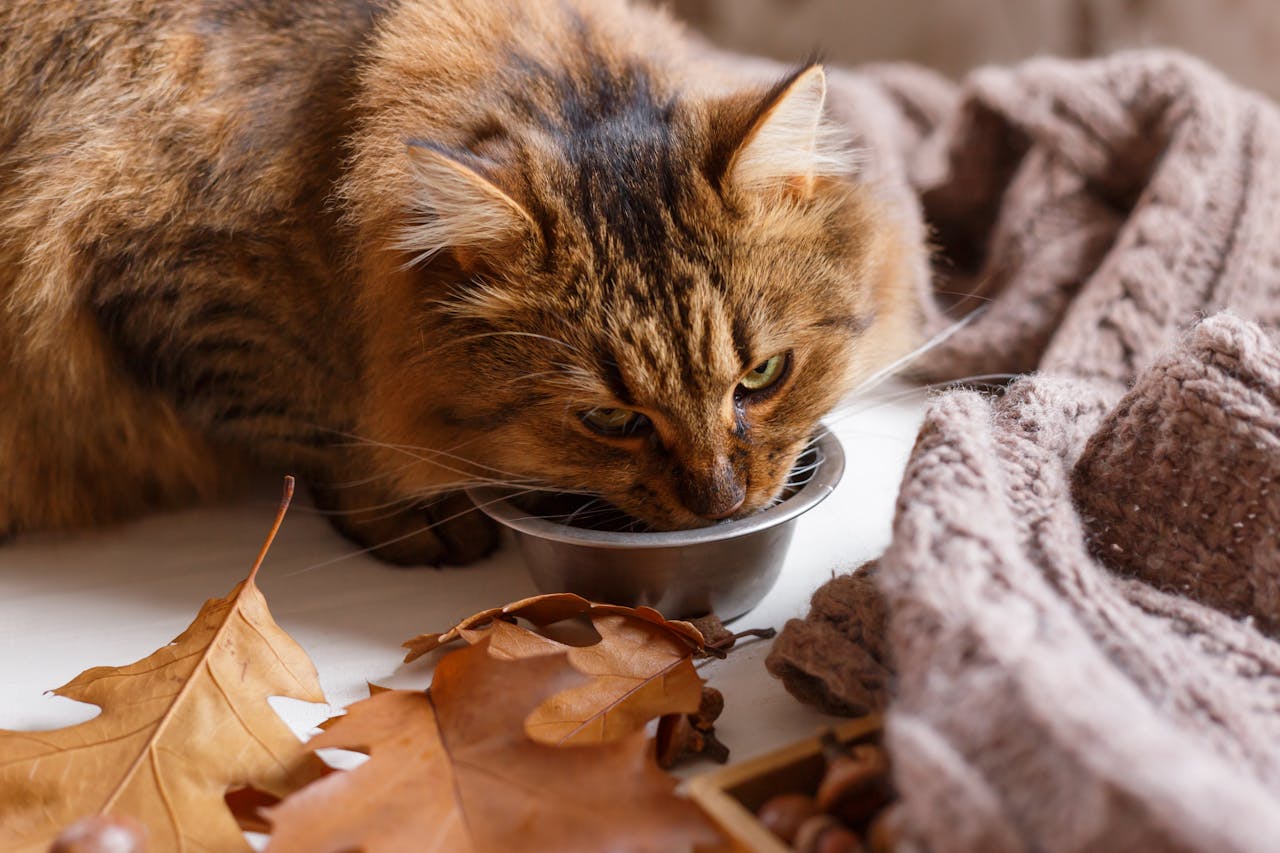
What food do senior cats need for better health, digestion, and joints? Learn the best diet choices for aging cats and how to keep them healthy and active.
Senior Cats have very different nutritional needs compared to younger adult cats. As cats age, their metabolism slows down, digestion becomes more sensitive, and health issues like kidney disease, arthritis, or dental problems may start to appear. Because of this, choosing the right food becomes very important for maintaining their comfort, energy, and overall health.
Understanding the Nutritional Needs of Senior Cats
Older cats generally need food that is easier to digest, rich in high-quality protein, and balanced with the right amount of fat, vitamins, and minerals. Unlike younger cats, senior cats often require fewer calories but more targeted nutrients to support aging organs and joints.
The key goals of a senior cat diet are:
- Maintaining muscle mass
- Supporting kidney and heart health
- Improving digestion
- Strengthening the immune system
- Supporting joint and bone health
What Food Do Senior Cats Need?
High-Quality Protein for Muscle Maintenance
Protein is the most important nutrient for senior cats. As cats age, they lose muscle mass, a condition known as sarcopenia. To prevent this, their diet should contain easily digestible, high-quality animal protein such as:
- Chicken
- Turkey
- Fish
- Lamb
Senior cats still require a high-protein diet, but the protein must be of good quality and easy for their kidneys and liver to process. Poor-quality protein can strain aging organs.
Controlled Fat for Healthy Weight Management
Older cats tend to be less active, which means they burn fewer calories. Too much fat in their diet can quickly lead to obesity, which increases the risk of diabetes and joint issues.
However, fat should not be completely restricted. Healthy fats provide energy and help maintain a shiny coat. The key is moderation and choosing foods with:
- Omega-3 fatty acids
- Omega-6 fatty acids
- Fish oil or flaxseed oil
These fats also help reduce inflammation in aging joints.
Increased Moisture for Kidney and Urinary Health
One of the most important dietary needs for senior cats is hydration. Many older cats are prone to kidney disease and urinary tract problems, so moisture intake is critical.
Wet food is often recommended because it contains 70–80% water. Benefits include:
- Supports kidney function
- Prevents dehydration
- Helps flush the urinary system
- Makes food easier to chew and digest
If feeding dry food, always ensure fresh water is available. Some cat owners also use water fountains to encourage drinking.
Essential Vitamins and Minerals
Senior cats require a balanced intake of vitamins and minerals to support immune health and organ function. Important nutrients include:
- Vitamin E: Supports the immune system and skin health
- Vitamin B complex: Helps energy metabolism and nerve function
- Calcium and phosphorus: Maintain bone strength
- Potassium: Supports kidney and muscle function
A good senior cat food is already formulated with these nutrients in the correct balance, so supplements are usually not necessary unless recommended by a vet.
Joint Support Ingredients
Arthritis and joint stiffness are common in older cats. To support mobility and comfort, senior cat food often includes:
- Glucosamine
- Chondroitin
- Omega-3 fatty acids
These ingredients help reduce inflammation and support cartilage health, allowing senior cats to move more comfortably.
Fiber for Digestive Health
As cats age, their digestive system can slow down. Fiber helps regulate bowel movements and prevents constipation, which is common in senior cats.
Good sources of fiber in cat food include:
- Beet pulp
- Pumpkin
- Rice bran
A moderate amount of fiber also helps with weight control by promoting a feeling of fullness.
Types of Food for Senior Cats
1. Wet Cat Food (Best Option for Most Seniors)
Wet cat food is highly recommended for senior cats because it provides high moisture, making hydration easier. It is soft, easy to chew, and has a strong aroma and taste, helping cats with dental disease, kidney issues, and low appetite effectively.
2. Dry Cat Food (Kibble)
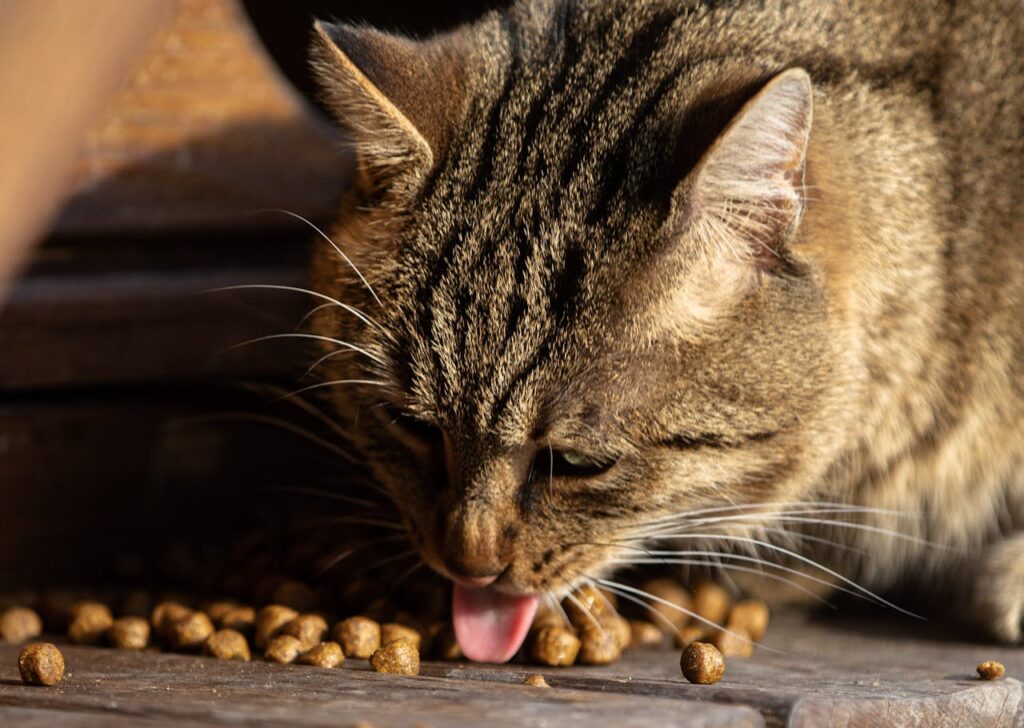
Dry cat food is convenient, affordable, and easy to store, making it commonly used for senior cats. It may help with mild dental cleaning, but it contains low moisture, can be hard to chew, and may increase dehydration risk if not balanced with wet food properly.
3. Mixed Feeding (Wet + Dry)
Mixed feeding combines wet and dry food to offer balanced nutrition for senior cats. It provides hydration from wet food while maintaining dry food convenience. This method supports better digestion, variety in taste, and overall nutritional balance when properly portioned daily.
4. Prescription Senior Diets
Prescription diets are specially designed for senior cats with health issues like kidney disease, diabetes, heart problems, or obesity. These foods are scientifically formulated by veterinary nutritionists and should only be given under strict veterinary guidance for safe and effective health management.
5. Homemade Diets (With Caution)
Homemade diets can be used for senior cats but require careful balance to avoid deficiencies. They must include proper protein, vitamins, minerals, and taurine. Without veterinary guidance, nutritional imbalance can quickly harm health, making expert supervision essential for safety.
What to Avoid in Senior Cat Food
Senior cats should avoid foods high in artificial preservatives, fillers like corn and wheat, excessive carbohydrates, and low-quality plant-based proteins. These ingredients can harm digestion and overall health. Too many carbohydrates may also lead to weight gain and increase the risk of diabetes in older cats.
Wet Food vs Dry Food for Senior Cats
Both wet and dry food can be part of a senior cat’s diet, but each has pros and cons:
Wet Food Advantages:
- Higher moisture content
- Easier to chew
- Better for kidney health
- More palatable for picky eaters
Dry Food Advantages:
- Convenient and long-lasting
- Helps reduce tartar buildup on teeth
- Often more affordable
Many veterinarians recommend a combination of both to balance nutrition and hydration.
Special Diets for Health Conditions
Senior cats with health issues may need special diets. Kidney disease requires low-phosphorus, high-moisture food. Diabetes benefits from high-protein, low-carb diets. Dental problems need soft food, while obesity requires calorie-controlled meals. Always consult a veterinarian before changing to any prescription or therapeutic diet.
Conclusion
Senior cats need a carefully balanced diet with high-quality protein, controlled calories, healthy fats, and plenty of moisture. Nutrition supports kidney health, joints, digestion, and immunity. Choosing the right food helps aging cats stay active, comfortable, and healthier throughout their senior years.
2 thoughts on “What Food Do Senior Cats Need?”
Comments are closed.