Discover the best dog training collars, their benefits, types, and safe usage tips to improve obedience, control behavior, and train your dog effectively.
Dog training collars are devices designed to assist in teaching commands, discouraging undesirable behaviors, and improving communication between dog and owner. They come in different types, each using a unique method of stimulation or feedback.
The key goal of any training collar is not punishment—it is communication. When used correctly, these collars provide consistent signals that help dogs understand expectations.

Best Dog Training Collars
Here are the best dog training collars:
1. Gentle Leader
The Gentle Leader is a head collar designed to reduce pulling by controlling the dog’s head movement. It provides immediate steering control, making walks calmer and more manageable for strong or energetic dogs.
| Pros | Cons |
| Reduces pulling instantly | Requires an adjustment period |
| Gentle, no choking pressure | Some dogs resist wearing it |
| Gives strong control over direction | Not suitable for aggressive lunging |
| Ideal for large breeds | Can slip if not fitted properly |
2. Garmin Delta SE
The Garmin Delta SE is a reliable remote training collar offering tone, vibration, and static stimulation. It is ideal for everyday obedience training with simple controls and consistent performance.
| Pros | Cons |
| Easy-to-use remote system | Limited advanced features |
| Multiple stimulation options | Shorter range than premium models |
| Durable and reliable build | Slightly bulky receiver |
| Good for basic obedience | Higher price than entry-level |
3. SportDOG 825X
The SportDOG 825X is a high-performance e-collar designed for field training and hunting dogs. It offers long-range control, durability, and precise stimulation levels for advanced training needs.
| Pros | Cons |
| Long remote range | Expensive for beginners |
| Waterproof and rugged | Complex for new users |
| Multiple training modes | Larger collar size |
| Supports multiple dogs | Requires training knowledge |
4. Herm Sprenger Prong Collar
The Herm Sprenger prong collar is a professional-grade training tool that distributes pressure evenly around the neck. It is commonly used for strong dogs that require firm, controlled correction.
| Pros | Cons |
| Even pressure distribution | Can be misused easily |
| Effective for strong pullers | Not beginner-friendly |
| High-quality durable design | May look harsh |
| Quick correction response | Requires proper fitting |
5. Dokken Pro6 6-Foot 5-in-1 Leash
The Dokken Pro6 leash is a versatile training tool that functions as five leash styles in one. It allows flexibility for different training situations, from close control to hands-free walking.
| Pros | Cons |
| Multi-functional design | Not a traditional collar |
| Durable and strong material | Learning curve for use |
| Adjustable length options | Less control than collars |
| Great for training variety | May feel bulky |
6. Educator ET-300 Mini
The Educator ET-300 Mini is a compact e-collar designed for small to medium dogs. It offers precise stimulation levels and a “blunt” stimulation system for humane and effective training.
| Pros | Cons |
| Very precise stimulation levels | Higher cost |
| Compact and lightweight | Limited for very large dogs |
| Humane stimulation technology | Requires proper training |
| Waterproof design | Shorter range than pro models |
7. Dogtra 2700T&B
The Dogtra 2700T&B is designed specifically for hunting dogs, featuring beeper tracking and long-range remote control. It helps locate dogs in dense environments while maintaining training communication.
| Pros | Cons |
| Built-in beeper locator | Expensive |
| Long-distance range | Heavy for small dogs |
| Durable for outdoor use | Complex features |
| Strong signal reliability | Overkill for casual users |
8. DT Systems SPR 5300
The DT Systems SPR 5300 is a powerful remote training collar designed for professional trainers. It offers a wide range, multiple stimulation levels, and rugged construction for demanding environments.
| Pros | Cons |
| Extremely long range | Not beginner-friendly |
| Multiple intensity levels | Bulky design |
| Durable and waterproof | Higher price |
| Suitable for pro training | Requires experience |
Why Choose a Dog Training Collar with a Remote?
A dog training collar with a remote offers precise, real-time communication between you and your dog. It allows instant correction, supports off-leash training, and improves obedience from a distance. With adjustable settings, it ensures safe, customized control tailored to your dog’s behavior and training needs.
Benefits of the Big Leash Remote Dog Training Collar
Freedom and Safety
Provides dogs with greater off-leash freedom while maintaining control. Ensures safety by allowing owners to quickly correct dangerous behavior and prevent accidents from a distance.
Effective Communication
Enables clear, instant communication between owner and dog through tone, vibration, or stimulation. Helps reinforce commands consistently, improving obedience and reducing confusion during training sessions.
Versatility
Suitable for various training needs, including basic obedience, behavior correction, and advanced off-leash control. Works effectively for different dog sizes, breeds, and temperaments in multiple environments.
Durability and Reliability
Built with strong, weather-resistant materials to withstand outdoor use. Reliable performance ensures consistent signals, making it ideal for regular training sessions in different conditions and terrains.
User-friendly Interface
Designed with simple controls and intuitive buttons, making it easy for beginners and experienced trainers to operate. Allows quick adjustments to settings without interrupting training flow.
Long Range
Offers an extended remote range, allowing control over long distances. Perfect for outdoor training, hiking, or fieldwork where maintaining communication with your dog is essential.
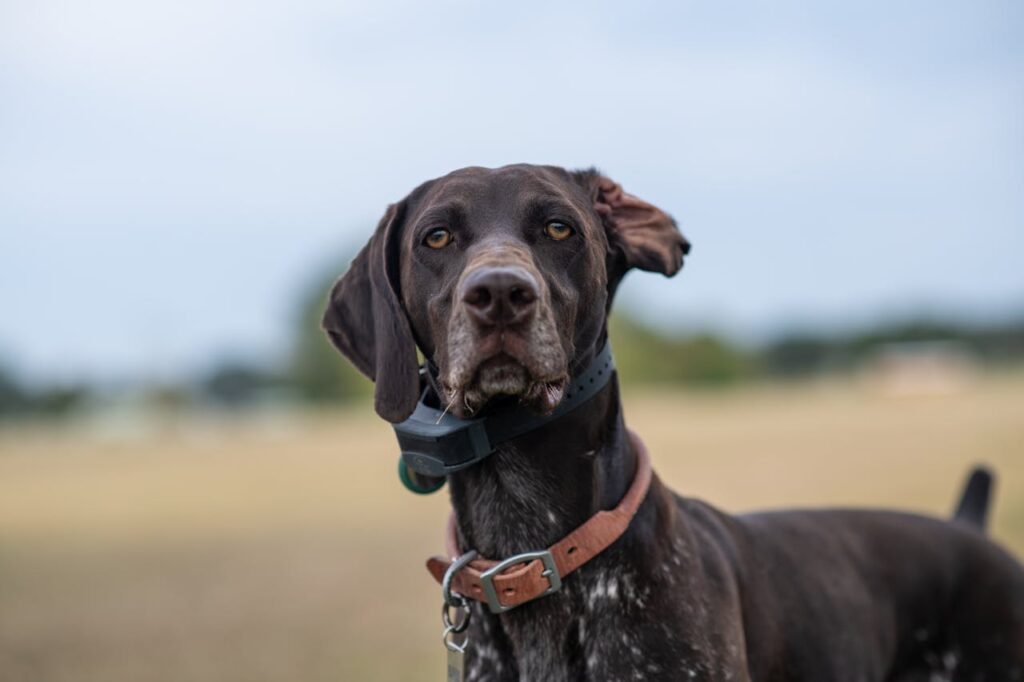
How to Use a Dog Training Collar Safely
1. Read Instructions Carefully
Always read the manufacturer’s instructions thoroughly before using the collar to understand features, settings, safety precautions, and correct usage methods properly.
2. Start with the Lowest Setting
Begin with the lowest stimulation or vibration level to ensure your dog’s comfort, then slowly increase only if necessary for effective communication.
3. Use for Training Only
Use the training collar only during training sessions, and remove it afterward to prevent irritation, discomfort, or unnecessary exposure throughout the day.
4. Combine with Positive Reinforcement
Always pair collar corrections with rewards like treats, praise, or affection to encourage good behavior and build trust between you and your dog.
5. Be Consistent
Apply training methods consistently every session so your dog clearly understands expectations, but avoid overusing the collar to prevent confusion or stress.
6. Monitor Your Dog
Closely observe your dog’s behavior and body language during training to identify signs of stress, fear, or discomfort, adjusting methods when necessary.
Why Dog Training Collars Are Used
Dog training collars are used to improve communication between owners and dogs, helping correct unwanted behaviors, reinforce commands, and enhance obedience. They provide immediate feedback, making training more effective while ensuring safety, control, and better behavior management in different environments.
How to Choose the Best Dog Training Collar
1. Dog Size and Breed
Choose a collar suited to your dog’s size and breed. Small dogs need lightweight, low-intensity options, while larger breeds require stronger, durable collars for effective control.
2. Temperament
Consider your dog’s personality and sensitivity. Gentle dogs respond better to vibration or tone, while stubborn or high-energy dogs may need stronger, controlled correction levels for training.
3. Training Goals
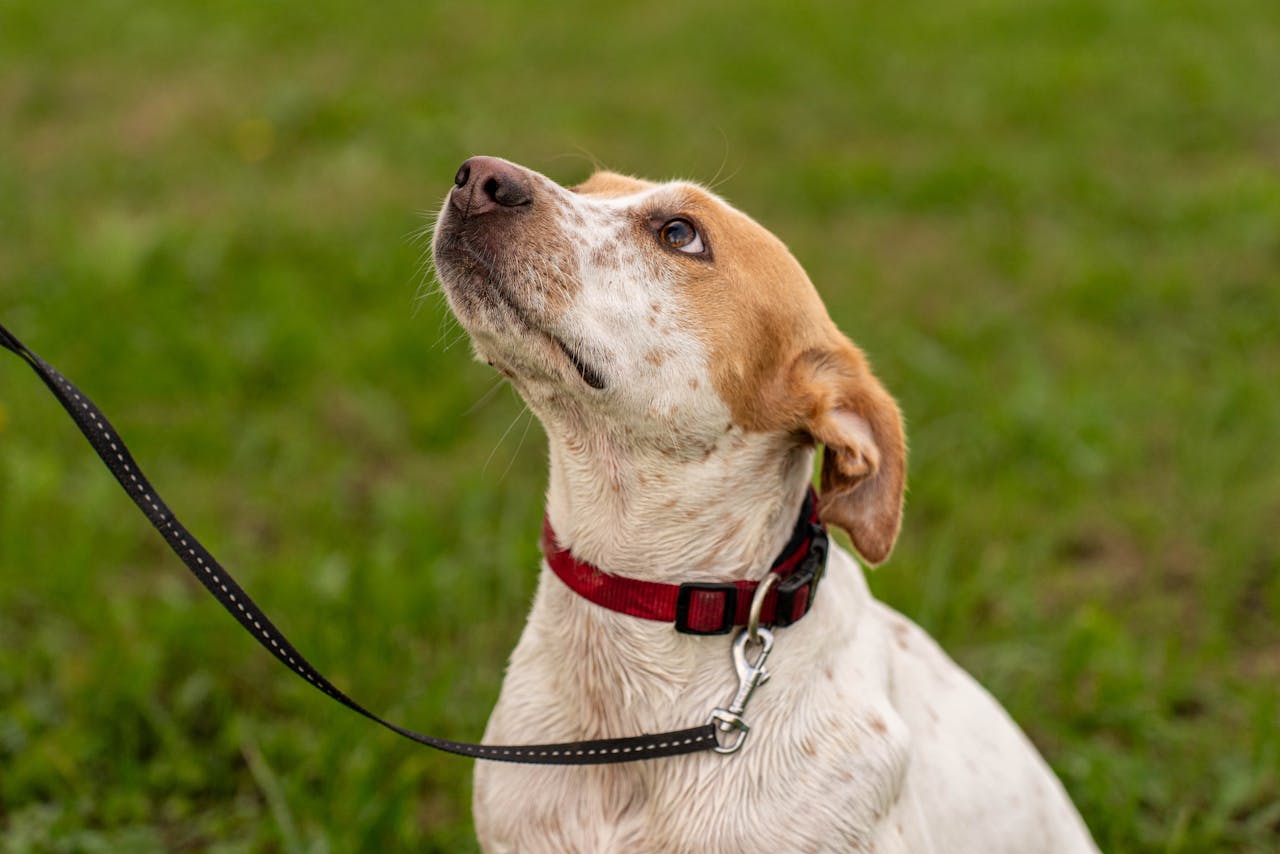
Match the collar to your training purpose. Use flat or martingale collars for obedience, head collars for pulling control, and e-collars for advanced or off-leash training.
4. Safety Features
Prioritize collars with adjustable levels, automatic shut-off, waterproof design, and comfortable materials. These features ensure safe, effective training while preventing harm or discomfort to your dog.
Conclusion
Dog training collars are effective when used responsibly, helping improve obedience, communication, and behavior control. Combined with positive reinforcement, they support safe and humane training methods. Proper selection, correct usage, and consistency ensure a well-trained, confident dog and a stronger bond between owner and pet.