
Learn what animal shelters are, their importance, types, challenges, and how they help abandoned animals find safe care, treatment, and loving homes.
Introduction
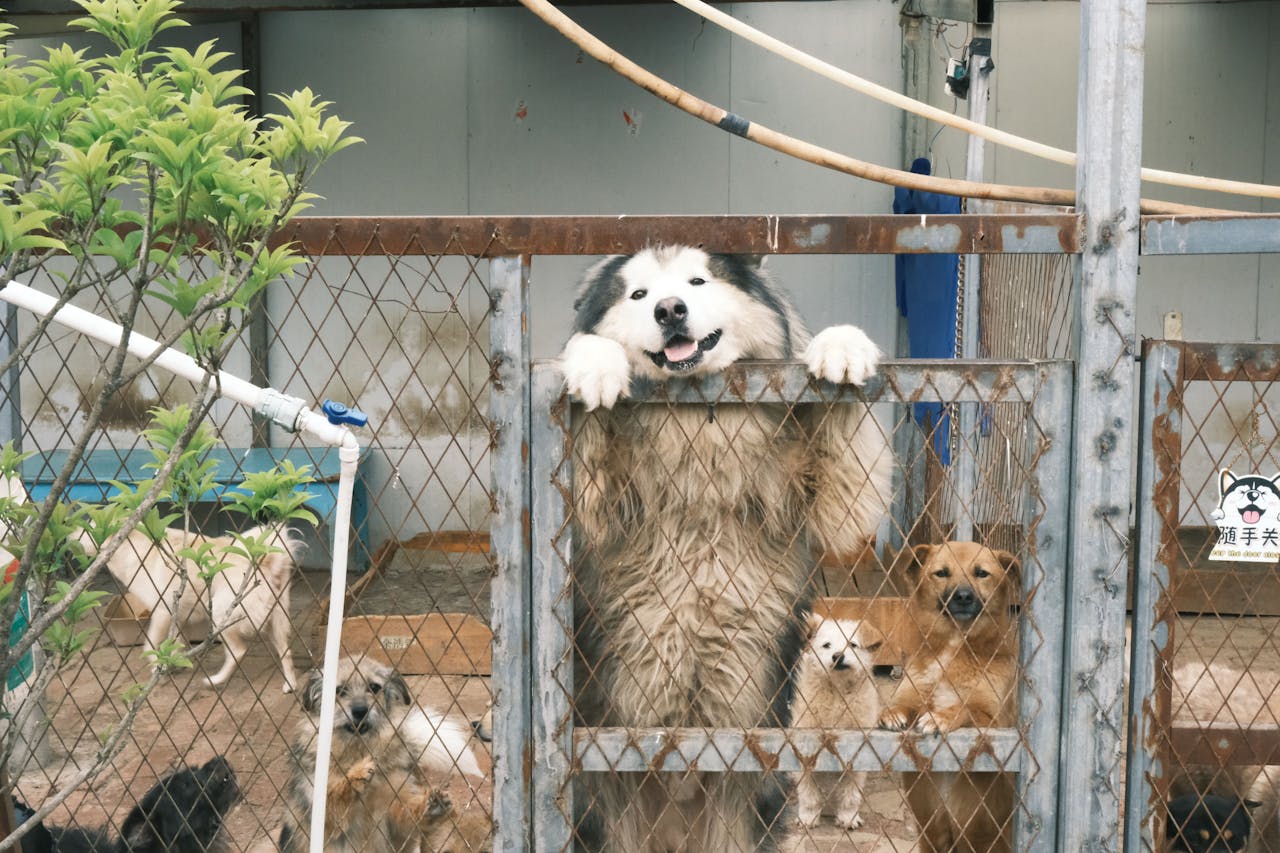
An animal shelter is a safe facility where lost, abandoned, stray, abused, or surrendered animals are temporarily housed and cared for. These shelters play a critical role in protecting animal welfare, reducing stray populations, and helping animals find new homes through adoption. In many communities, animal shelters act as a bridge between animals in need and responsible pet owners.
What is an Animal Shelter?
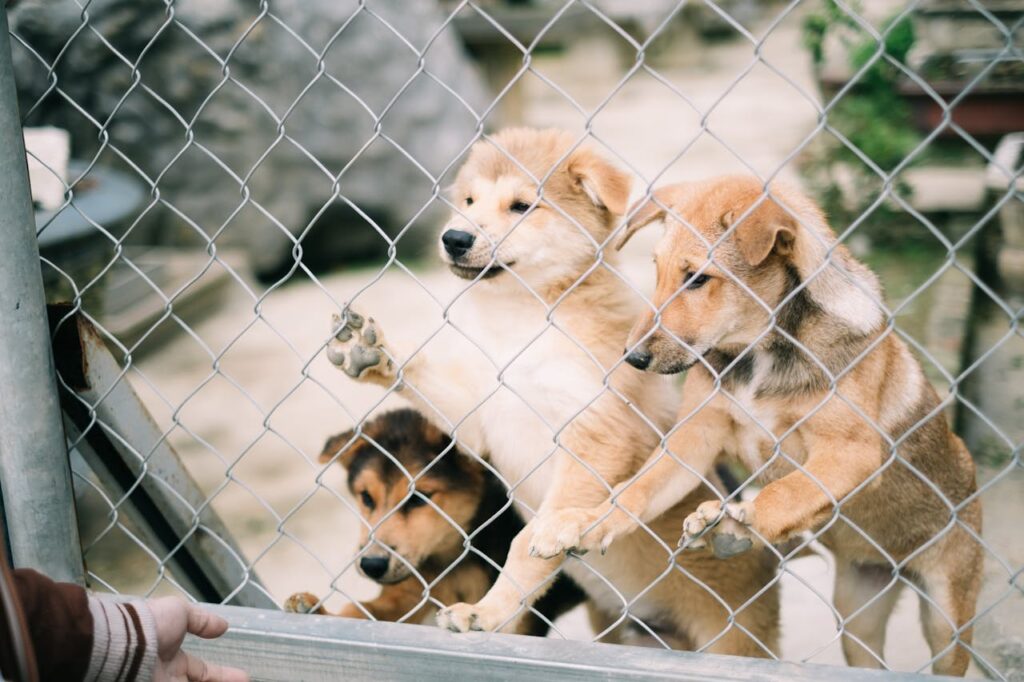
An animal shelter is an organization or facility designed to provide temporary care, protection, and rehabilitation for animals that do not have homes. These animals may include:
- Stray animals found wandering in public areas
- Abandoned pets left by owners
- Animals rescued from abuse or neglect
- Surrendered pets given up by owners due to personal circumstances
- Injured or sick animals needing medical care
Shelters aim to provide food, shelter, medical treatment, and emotional care until the animals are either adopted or transferred to other organizations.
The Main Types of Animal Shelters
1. Municipal or Government Shelters (Public Shelters)
Municipal or government shelters are funded and operated by local authorities. They handle large numbers of stray, lost, or surrendered animals and focus on public safety, animal control, and basic care services within communities.
2. Private Nonprofit Shelters
Private nonprofit shelters are independently run organizations funded through donations, grants, and fundraising. They focus on animal welfare, rescue, rehabilitation, and adoption programs, often providing higher-quality personalized care than public shelters.
3. Rescue Organizations
Rescue organizations are small, volunteer-driven groups dedicated to saving specific animals or breeds. They often rely on foster homes, provide temporary care, and focus heavily on rehabilitation and finding permanent loving adoptive families.
Why Are Animal Shelters Important?
Providing Community Assistance
Animal shelters support local communities by rescuing stray animals, offering medical care, and helping reunite lost pets with owners, improving overall public safety and well-being.
Preventing Animal Overpopulation
Shelters control stray populations through spaying, neutering, and adoption programs, reducing uncontrolled breeding and helping maintain a balanced, healthier animal population in communities.
Assisting During Disasters
During floods, earthquakes, or emergencies, animal shelters rescue, protect, and temporarily house displaced animals, ensuring safety until owners are found or conditions become stable.
Transforming the Lives of People and Pets
Shelters create life-changing connections through adoption, giving animals loving homes while offering people companionship, emotional support, and joy through responsible pet ownership opportunities.
Advantages of Animal Shelters
1. Rescue and Rehabilitation
Animal shelters rescue abandoned, stray, and injured animals from unsafe environments. They provide medical treatment, emotional care, and rehabilitation programs to help animals recover physically and mentally for better future adoption opportunities.
2. Promote Adoption
Shelters actively promote pet adoption by connecting homeless animals with responsible families. They screen adopters carefully and ensure animals are placed in safe, loving homes where they receive long-term care and attention.
3. Protection from Cruelty
Animal shelters protect vulnerable animals from abuse, neglect, and exploitation. They work with authorities to rescue mistreated animals, provide legal protection, and ensure offenders are held accountable for inhumane treatment and cruelty cases.
4. Fostering Love and Empathy
Shelters help people develop compassion by encouraging interaction with rescued animals. Volunteers and adopters learn empathy, responsibility, and kindness, creating a stronger emotional bond between humans and animals within the community.
5. Comprehensive Care
Animal shelters offer complete care, including food, shelter, vaccinations, grooming, and medical treatment. They also monitor behavior and health, ensuring each animal receives proper attention until they are ready for adoption.
Disadvantages of Animal Shelters
1. Overcrowding
Animal shelters often face overcrowding due to a high number of abandoned and stray animals. Limited space can lead to stress, spread of disease, and reduced quality of care for each animal.
2. Financial Strain
Most animal shelters rely on donations and limited funding. High costs for food, medical treatment, staff salaries, and facility maintenance create constant financial pressure and make operations difficult to sustain effectively.
3. Euthanasia
In some overcrowded or underfunded shelters, euthanasia is used as a last resort. Animals that are sick, aggressive, or not adopted quickly may be put down, which raises ethical and emotional concerns.
4. Long Stays
Many animals remain in shelters for long periods without adoption. Extended stays can cause boredom, anxiety, and behavioral issues, making it harder for them to adjust to future home environments.
5. Variability in Care
The quality of care varies between shelters depending on funding, staff, and resources. Some animals receive excellent treatment, while others may experience limited attention and basic care due to resource shortages.
How Animal Shelters Work?
Step 1: Intake
Animals arrive at shelters through rescues, public surrender, or animal control pickups, ensuring immediate safety, protection, and initial evaluation of their condition.
Step 2: Health Check
Veterinarians carefully examine animals for diseases, injuries, parasites, and behavioral concerns, documenting health status to plan appropriate treatment and recovery procedures.
Step 3: Vaccination and Treatment
Animals receive essential vaccinations, deworming medications, parasite control, and necessary medical treatments to restore health and prevent disease spread within the shelter environment.
Step 4: Housing and Care
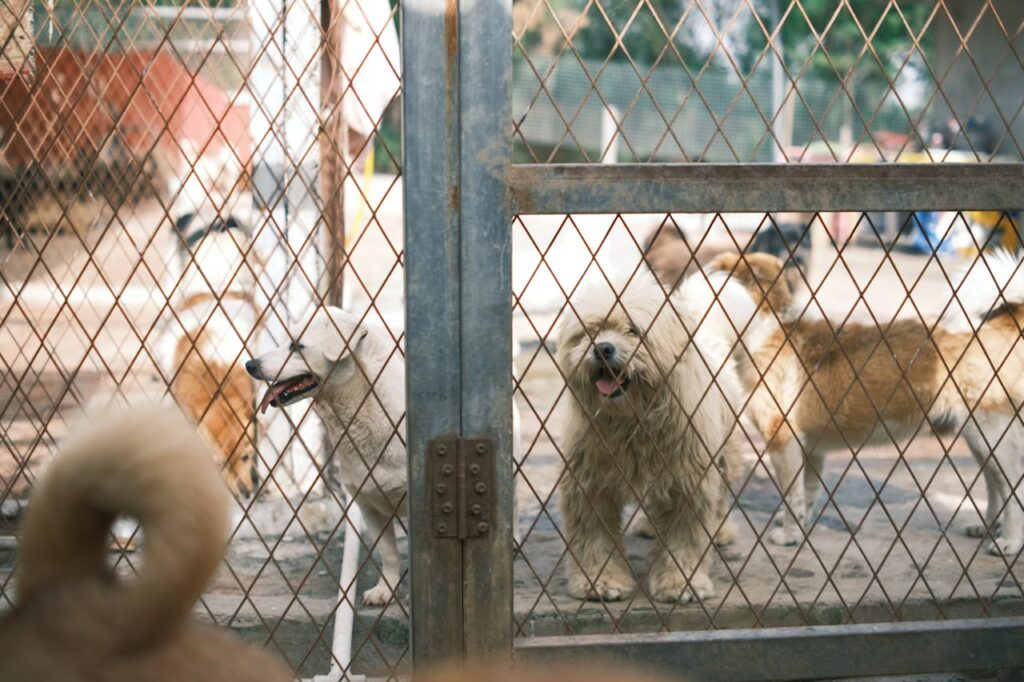
Animals are placed in clean kennels or foster homes where they receive nutritious food, exercise, comfort, and daily human social interaction.
Step 5: Behavior Assessment
Trained staff observe animals closely to evaluate temperament, social behavior, and adaptability, helping determine suitability for adoption and training requirements.
Step 6: Adoption Process
Healthy, well-assessed animals are listed for adoption, carefully matched with responsible families to ensure long-term care, safety, and emotional companionship.
Challenges Faced by Animal Shelters
Animal shelters struggle with overcrowding, limited funding, staff shortages, high medical expenses, and low adoption rates. They also face emotional stress, resource limitations, and increasing numbers of abandoned or injured animals needing urgent care and long-term rehabilitation support.
How Can You Help Animal Shelters?
You can help animal shelters by adopting pets instead of buying, volunteering your time, donating money or supplies, fostering animals temporarily, and spreading awareness. These actions reduce overcrowding, improve animal care, support shelter operations, and increase adoption chances for homeless and abandoned animals in need.
Future of Animal Shelters
With increasing awareness, animal shelters are evolving:
- More no-kill policies are being adopted
- Better veterinary care is available
- Digital adoption platforms are growing
- Community involvement is increasing
Technology and awareness are helping shelters become more efficient and humane.
Conclusion
Animal shelters play a vital role in protecting abandoned, stray, and abused animals while helping them find loving homes. By supporting shelters through adoption, donation, or volunteering, people can reduce overpopulation, improve animal welfare, and create a more compassionate society for all animals.



One thought on “Animal Shelters: Types & Importance Guide”