
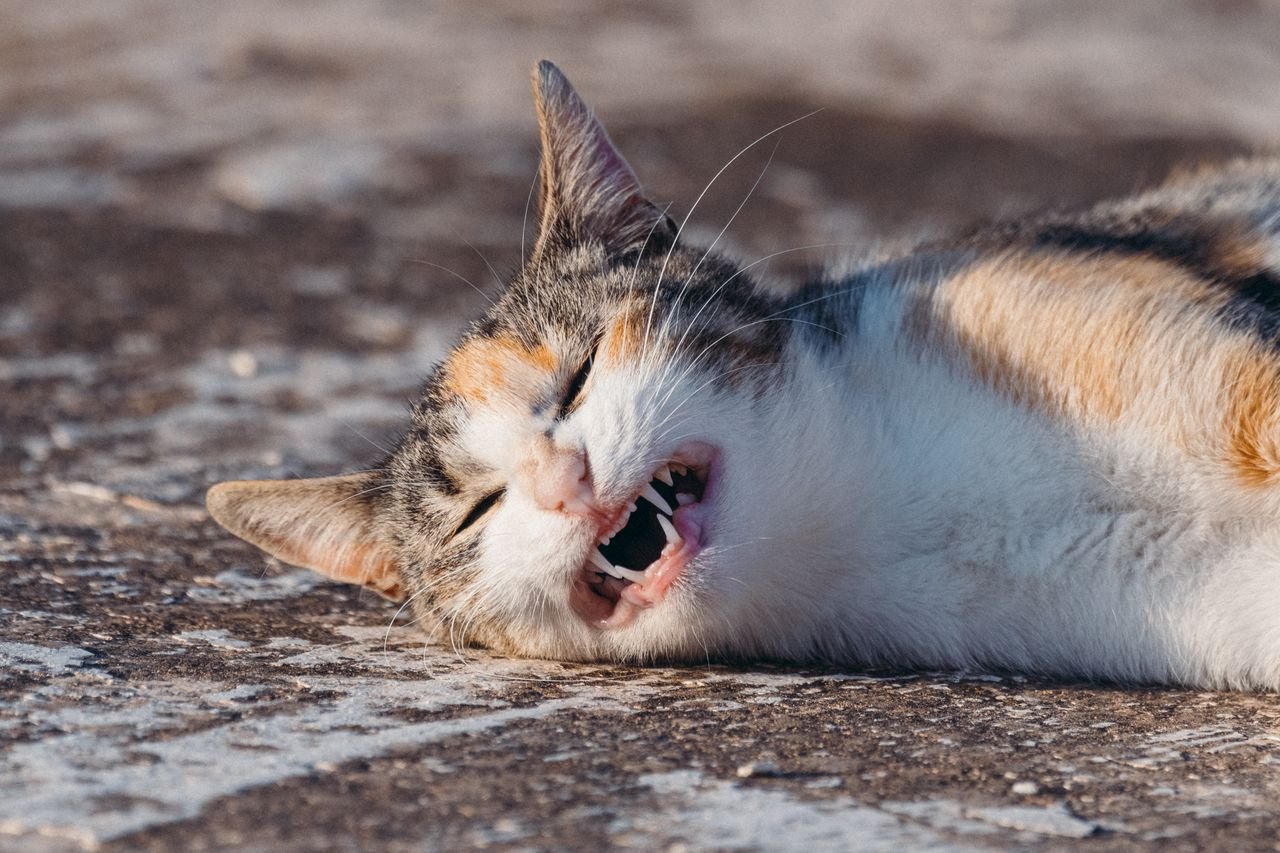
Learn the key cat dental disease symptoms, including bad breath, swollen gums, tartar, drooling, eating changes, pain, and when to see a vet.
Cat dental disease symptoms can be easy to miss because cats often hide discomfort. A cat may continue eating and acting normally even when it has painful teeth or inflamed gums. Knowing the early warning signs can help cat owners recognize dental problems and seek veterinary care before they become more serious.
Dental disease is common in cats, particularly as they get older. Problems can range from plaque and tartar buildup to gingivitis, periodontal disease, tooth resorption, and infections. Regular dental care and veterinary examinations can help protect your cat’s teeth, gums, and overall health.
What Are Cat Dental Disease Symptoms?
Common cat dental disease symptoms include bad breath, red or swollen gums, yellow or brown tartar, difficulty chewing, dropping food, excessive drooling, pawing at the mouth, and reduced interest in food.
Some cats show subtle behavioral changes instead of obvious mouth problems. They may become less playful, hide more often, chew on one side of the mouth, or avoid hard food. Because cats can hide pain, even a small change in eating habits or behavior deserves attention.
Why Cat Dental Disease Is So Easy to Miss
Cats are instinctively driven to conceal signs of pain and weakness, a survival trait inherited from their wild ancestors. Unlike humans, they can’t tell you their tooth hurts, and many cats will continue eating even with significant oral pain. This means owners need to watch for subtle behavioral and physical changes rather than waiting for obvious distress.
Common Types of Feline Dental Disease
Before diving into symptoms, it helps to understand what’s typically going on in a cat’s mouth:
- Periodontal disease – Inflammation and infection of the tissues surrounding the teeth, caused by plaque and tartar buildup. This is the most common dental condition in cats.
- Gingivitis – Inflammation of the gums, often an early stage of periodontal disease.
- Tooth resorption – A painful condition unique to cats where the tooth structure is progressively broken down and absorbed by the body, often below the gumline.
- Stomatitis – A severe, painful inflammation of the mouth’s soft tissues, sometimes linked to an overactive immune response.
- Fractured or abscessed teeth – Broken teeth or infections at the tooth root.
Key Symptoms of Cat Dental Disease
1. Bad Breath (Halitosis)
While cat breath is never minty fresh, a strong, foul, or unusually persistent odor is one of the earliest and most reliable indicators of dental disease. It typically signals bacterial buildup from plaque, tartar, or infection.
2. Red, Swollen, or Bleeding Gums
Healthy feline gums are pale pink and firm. Watch for:
- Redness along the gumline
- Swelling or puffiness
- Bleeding, especially when eating or during grooming
- A visible line of inflammation where the tooth meets the gum
3. Visible Tartar and Plaque Buildup
Yellow or brown crusty deposits on the teeth, particularly near the gumline, indicate tartar accumulation. Left untreated, this hardens and traps bacteria, accelerating gum disease.
4. Changes in Eating Habits
Dental pain often shows up as altered eating behavior, including:
- Dropping food while eating
- Chewing only on one side of the mouth
- Preferring soft food over dry kibble (or refusing dry food altogether)
- Approaching the food bowl eagerly, but then hesitating or walking away
- Taking longer to eat, or eating less overall
- Swallowing food whole without chewing
5. Weight Loss
Chronic dental pain can lead to reduced food intake over time, resulting in gradual and sometimes significant weight loss.
6. Drooling (Ptyalism)
Excessive drooling, sometimes tinged with blood, can indicate oral pain, ulcers, or infection. Drooling that stains the fur around the mouth or chin is a red flag.
7. Pawing at the Face or Mouth
Cats in oral discomfort may repeatedly paw at their mouth, rub their face against furniture, or shake their head as if trying to dislodge something.
8. Reluctance to Be Touched Near the Face
A cat that normally enjoys chin scratches but suddenly flinches, pulls away, or becomes irritable when touched near the mouth or jaw may be experiencing dental pain.
9. Bad Odor Combined with Nasal Discharge
In advanced cases, an infected upper tooth root can erode into the nasal cavity, causing sneezing, nasal discharge, or a chronic runny nose alongside bad breath.
10. Visible Facial Swelling
A swollen face, particularly under the eye or along the jawline, can indicate a tooth root abscess. This is a painful, urgent condition that requires prompt veterinary attention.
11. Loose, Broken, or Missing Teeth
Advanced periodontal disease or tooth resorption can cause teeth to become loose, fracture, or fall out entirely. You might notice this directly or find evidence of a lost tooth.
12. Behavioral Changes
Pain often manifests as general behavioral shifts:
- Increased irritability or aggression, especially when handled near the head
- Lethargy or reduced activity
- Hiding more than usual
- Decreased grooming, leading to a scruffy or matted coat
- Reduced interest in play or interaction
13. Excessive Chattering or Jaw Trembling
Some cats with tooth resorption or significant oral pain show a distinctive jaw chattering or trembling response, particularly when the affected tooth is touched or when eating.
Symptoms by Severity
| Stage | Common Signs |
| Early (Gingivitis) | Mild bad breath, slight gum redness, visible plaque |
| Moderate (Periodontitis) | Tartar buildup, gum bleeding, bad breath, mild eating changes |
| Advanced | Loose/missing teeth, facial swelling, significant weight loss, drooling, pawing at mouth, clear pain response |
When to See a Veterinarian
Schedule a veterinary visit if you notice any combination of the symptoms above, even if they seem mild. You should seek prompt or emergency care if your cat shows:
Facial swelling
- Refusal to eat for more than 24 hours
- Significant drooling or blood in the saliva
- Obvious pain when the mouth is touched
- A broken tooth with visible pulp exposure
Even without obvious symptoms, veterinarians recommend routine dental checkups, since many cats hide early-stage disease well. Annual (or more frequent) oral exams allow vets to catch problems like tooth resorption before they become painful or advanced.
How Dental Disease Is Diagnosed
A veterinarian will typically perform a physical oral exam, but a definitive diagnosis usually requires the cat to be sedated or under general anesthesia so the vet can:
- Probe each tooth and gum pocket
- Take dental X-rays to check below the gumline, where a large portion of tooth resorption and root disease occurs
- Assess for loose teeth, bone loss, or abscesses not visible externally
Prevention Tips
- Daily tooth brushing with a cat-safe enzymatic toothpaste is the gold standard for preventing plaque buildup.
- Dental-specific diets and treats formulated to reduce tartar can help, though they’re not a substitute for brushing.
- Water additives and dental gels may offer modest support in reducing bacteria.
- Routine veterinary dental cleanings (performed under anesthesia) remove tartar above and below the gumline and allow early detection of problems.
- Regular at-home mouth checks, gently lifting the lip weekly to look for redness, tartar, or odor, help catch changes early.
Conclusion
Recognizing cat dental disease symptoms early can help prevent pain and serious oral problems. Bad breath, swollen gums, tartar, drooling, eating changes, and behavioral shifts should never be ignored. Regular veterinary dental examinations, daily brushing, and proper oral care can protect your cat’s teeth, support overall health, and improve comfort and quality of life.