Learn why cats fart, what causes gas, and how to reduce it. Discover diet tips, digestion facts, and when to see a vet for cat health and comfort. Guide online.
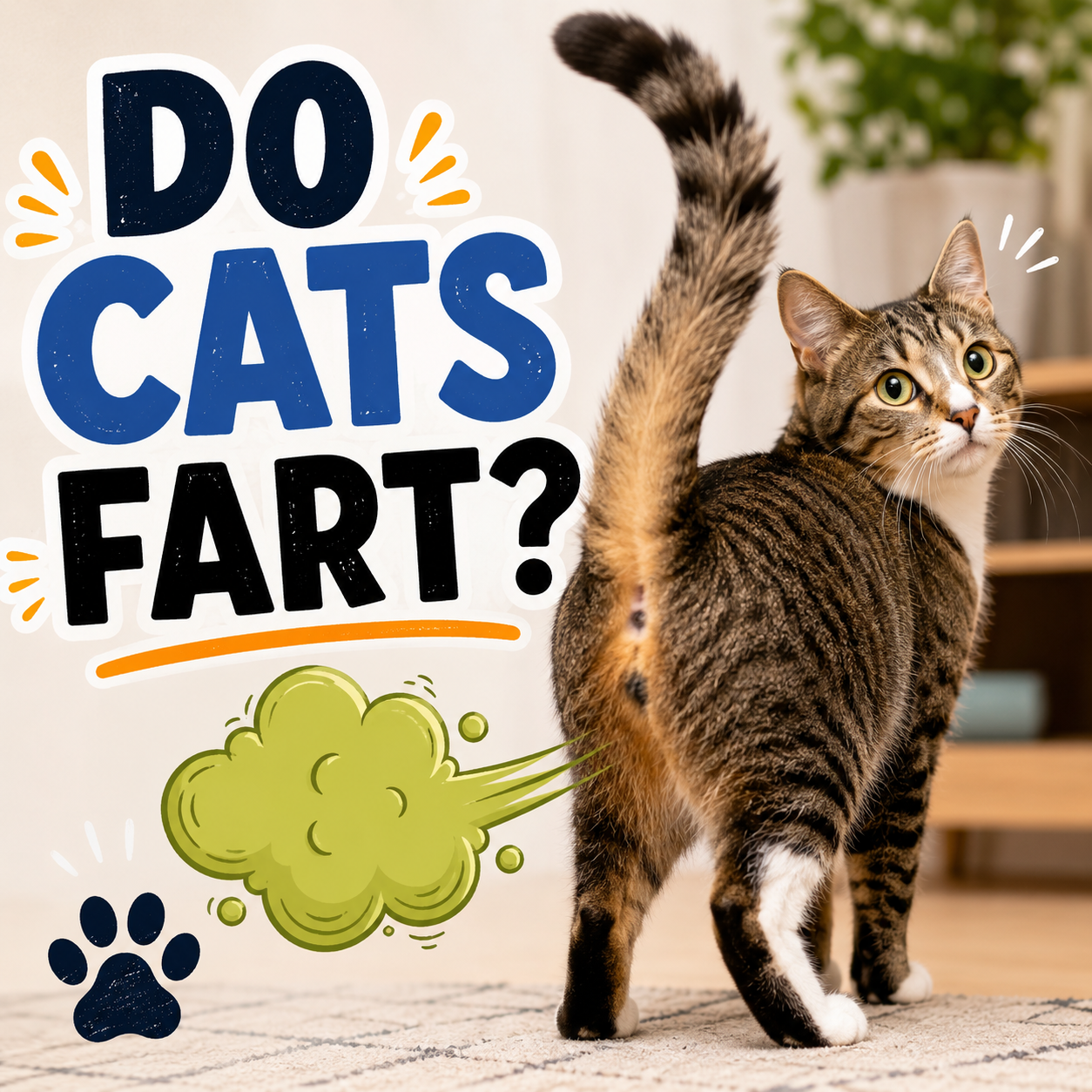
Do Cats Fart?
Yes, cats absolutely fart. It is a normal digestive process caused by bacteria breaking down food in the intestines, producing gas that exits through the rectum, especially when diet changes, swallowing air, or mild stomach sensitivity occurs in cats, and is usually harmless in healthy cats overall.
Why Do Cats Produce Gas?
Cats produce gas mainly during digestion. When food breaks down in the stomach and intestines, bacteria help digest it further. This process releases gases like carbon dioxide, hydrogen, and small amounts of methane. Another source of gas is swallowed air. Cats may swallow air while eating quickly, drinking water, or grooming. This air moves through the digestive tract and may come out as flatulence.
Why Cats Fart Less Than Humans
Even though cats do fart, they generally do it far less frequently and less noticeably than humans or dogs. There are several reasons for this.
1. Simple Diet Structure
Cats eat a diet that is naturally low in fermentable carbohydrates. Since carbohydrates are the primary cause of gas production in many animals, cats usually produce less gas.
2. Efficient Digestion
A cat’s digestive system is short and fast-moving. Food does not stay in the intestines long enough for excessive fermentation.
3. Smaller Gut Microbiome Activity
While cats do have gut bacteria, their microbial population is less diverse compared to herbivores or omnivores. This limits gas production.
4. Small Body Size
Even when gas is produced, the volume is small, and the release is often silent or unnoticed.
What Causes Farting in Cats?
Even though occasional gas is normal, certain factors can increase farting in cats. These include diet, swallowing air, and digestive imbalances.
1. Poor-Quality Cat Food
Low-quality cat food often contains fillers such as corn, wheat, soy, and artificial additives. These ingredients are harder for cats to digest and can increase fermentation in the gut.
2. Sudden Diet Changes
If a cat’s food is changed too quickly, the digestive system may not adjust properly. This can lead to temporary gas, bloating, and soft stool.
3. Food Intolerances
Some cats are sensitive to specific ingredients such as:
- Dairy products
- Certain proteins (like beef or fish in rare cases)
- Artificial flavors or preservatives
When these ingredients are not tolerated, they can cause gas buildup.
4. Eating Too Fast
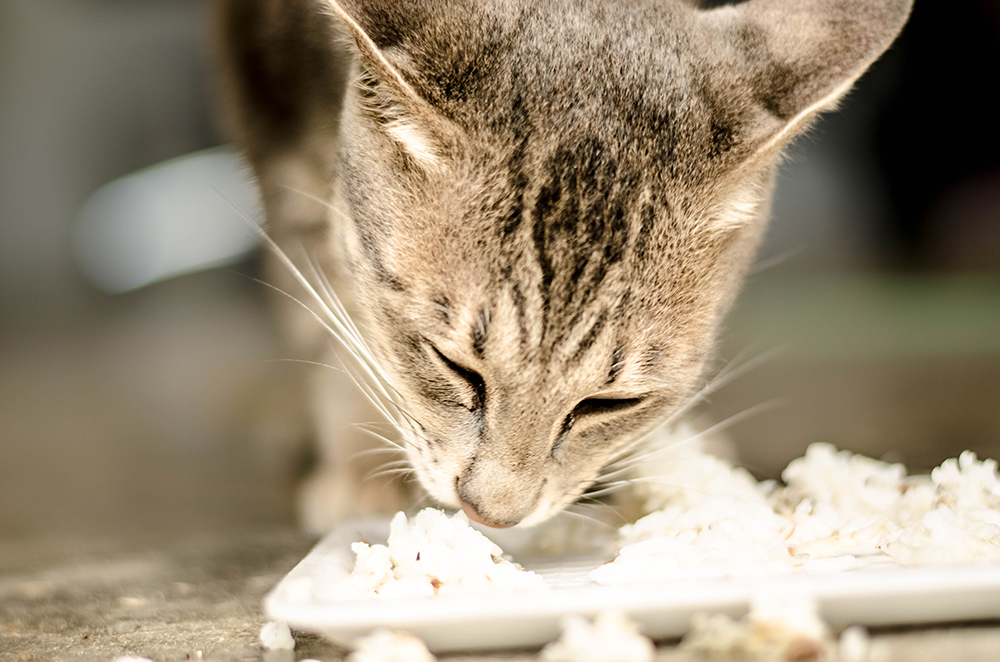
Cats that eat quickly often swallow air along with food. This swallowed air can later be released as gas.
5. Intestinal Bacteria Imbalance
A healthy gut requires balanced bacteria. If harmful bacteria grow excessively, they can produce more gas during digestion.
6. Parasites
Intestinal worms or parasites can disturb digestion and lead to increased flatulence, along with other symptoms like weight loss or diarrhea.
How to Reduce Cat Farting?
1. Improve Diet Quality
Feed your cat high-quality, easily digestible food with real meat ingredients. Avoid fillers like corn, soy, and artificial additives because they can upset digestion and increase gas production.
2. Introduce New Food Slowly
Change your cat’s diet gradually over 7–10 days. Mix small amounts of new food with old food daily to prevent digestive stress, stomach upset, and excess gas formation.
3. Encourage Slow Eating
Use a slow-feeder bowl or puzzle feeder to stop fast eating. When cats eat too quickly, they swallow air, which causes bloating, indigestion, and increased gas buildup.
4. Avoid Dairy Products
Do not give milk, cheese, or yogurt to cats. Most cats are lactose intolerant, and dairy products cause digestive imbalance, diarrhea, excessive gas, or uncomfortable bloating.
5. Regular Deworming
Give regular deworming treatment as advised by a vet. Intestinal parasites disrupt digestion, reduce nutrient absorption, and can lead to increased gas, bloating, and stomach discomfort in cats.
6. Provide Fresh Water
Always keep clean, fresh water available for your cat. Proper hydration supports smooth digestion, helps food move through the gut easily, and reduces the chances of constipation and gas.
7. Vet Checkups
If gas continues or becomes severe, visit a veterinarian. Persistent flatulence may indicate food intolerance, infections, or digestive disorders that need proper diagnosis and medical treatment.
Why Cat Farts Are Rarely Noticeable
One of the most interesting things about cats is that even when they fart, it is often silent and unnoticed. This is due to:
- Small gas volume
- Controlled muscle release
- Quiet behavior patterns
- Clean grooming habits that mask odor
Unlike dogs or humans, cats rarely draw attention to their bodily functions, which adds to their mysterious nature.
When Cat Farting Becomes a Problem
Excessive farting may indicate a health or dietary issue. If a cat suddenly starts passing gas more often, it could be due to a diet change, poor-quality food, or stress. If gas is accompanied by diarrhea, vomiting, weight loss, or loss of appetite, it may indicate a more serious digestive problem that needs attention.
Myths About Cat Farting
One common myth is that cats do not fart, which is false. Another myth is that only sick cats fart, but healthy cats also produce gas. Some people believe cat farts are always smelly, but many are not. These myths come from a lack of observation rather than scientific fact.
Why Cat Owners Rarely Notice Farts
Cat farting is often unnoticed because it is quiet, small, and infrequent. Cats are also very clean animals and may move away after passing gas. The smell is usually mild, making it easy to miss. These reasons create the belief that cats do not fart at all.
Is It Normal for Cats to Fart?
It is completely normal for cats to fart occasionally. Just like humans, cats have a digestive system that produces gas. Occasional flatulence does not indicate illness. What matters is how often it happens and whether other symptoms are present. Occasional gas is part of normal body function.
Conclusion
Cat farting is normal and usually harmless when it occurs occasionally. It is influenced by diet, digestion, and eating habits. With proper nutrition, slow feeding, and regular care, gas can be reduced. However, persistent or severe symptoms should be checked by a veterinarian for safety.