Discover the best pet safe plants for home, including non-toxic indoor plants for cats and dogs, toxic plants to avoid, safety tips, and care advice.
Pet-safe plants are species that are non-toxic to cats, dogs, and other common household animals if chewed, licked, or accidentally ingested in small amounts. This doesn’t mean pets should eat them freely; even safe plants can cause mild stomach upset if a pet eats too much, but it does mean these plants won’t cause poisoning, organ damage, or life-threatening reactions.
The opposite of pet-safe plants are toxic plants, which contain compounds that can cause anything from mild drooling and vomiting to seizures, kidney failure, or death, depending on the plant and the amount consumed.
Best Pet Safe Plants for Home
1. Spider Plant
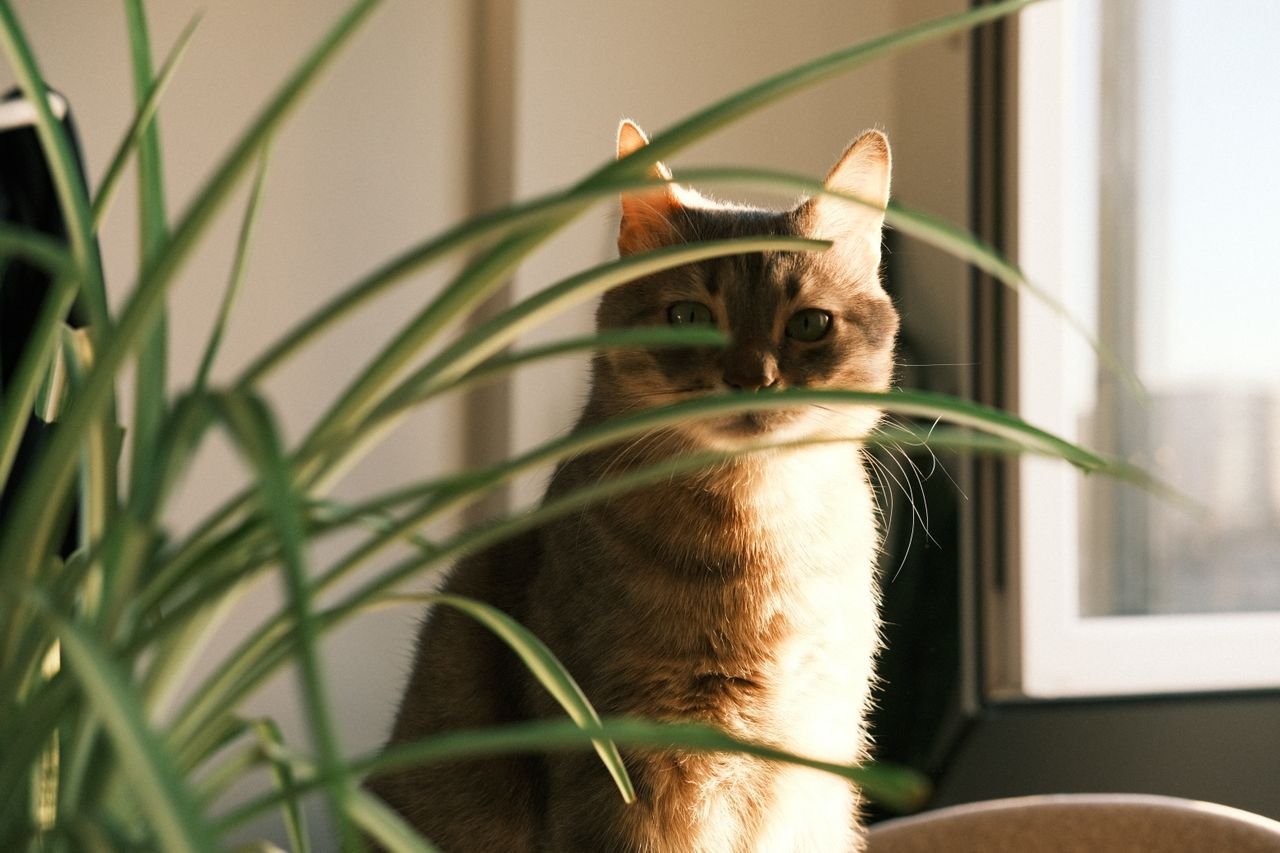
Spider plants are one of the best pet-safe houseplants for homes with cats and dogs. They are easy to grow, improve indoor air quality, thrive in bright indirect sunlight, and produce attractive arching green leaves that suit almost any indoor space.
2. Areca Palm
The Areca Palm brings a tropical feel to your home while remaining safe for cats and dogs. This non-toxic plant helps improve indoor air quality, requires little maintenance, and grows well in bright, indirect light, making it ideal for living rooms.
3. Boston Fern
Boston Fern is a lush, pet-friendly plant that thrives in humid environments and bright indirect light. Its graceful green fronds make it perfect for bathrooms, kitchens, apartments, or hanging baskets while adding natural beauty to indoor spaces.
4. Calathea
Calathea is a beautiful pet-safe indoor plant known for its colorful, patterned leaves. It grows well in indirect light, prefers moderate humidity, and adds an elegant decorative touch while remaining completely safe for curious cats and dogs.
5. Prayer Plant
Prayer Plants are unique because their leaves fold upward in the evening, creating an eye-catching display. They are non-toxic to pets and grow best in medium light, high humidity, and consistently moist soil for healthy foliage.
6. Parlor Palm
Parlor Palm is a classic indoor plant loved for its elegant appearance and easy care requirements. Safe for cats and dogs, this slow-growing palm adapts well to indoor conditions and enhances homes with its soft tropical foliage.
7. Bamboo Palm
Bamboo Palm is a pet-safe tropical houseplant that improves indoor air quality while adding lush greenery. It grows well in offices, bedrooms, apartments, and living spaces, making it an excellent choice for pet-friendly homes.
8. African Violet
African Violets brighten indoor spaces with colorful blooms and compact growth. These pet-safe flowering plants are easy to maintain, thrive on sunny windowsills with indirect light, and provide year-round beauty without endangering pets.
9. Baby Rubber Plant
Baby Rubber Plant is a non-toxic alternative to the common rubber tree. Its thick, glossy leaves, compact size, and low-maintenance nature make it an attractive choice for homes where curious cats and dogs live safely.
10. Orchid
Orchids are elegant flowering plants that are generally safe for cats and dogs. Their long-lasting blooms, graceful appearance, and ability to grow indoors make them a popular choice for stylish, pet-friendly home décor.
Benefits of Having Indoor Plants and Pets Together
Better Indoor Air
Indoor plants help improve air quality by releasing oxygen, increasing humidity, and creating a fresher environment, making your home more comfortable for both people and pets.
Reduced Stress
Living with indoor plants can create a calming atmosphere. Natural greenery may help reduce daily stress, improve mood, and make your home feel more peaceful and relaxing.
Beautiful Home Decor
Pet-safe plants enhance your home’s appearance by adding vibrant colors, natural textures, and fresh greenery, creating a warm, inviting, and stylish indoor living space.
Mental Well-being
Surrounding yourself with healthy indoor plants can support relaxation, improve focus, and promote overall mental well-being while creating a more enjoyable home environment for everyone.
Safe Environment
Choosing pet-safe plants allows cats and dogs to explore your home with a lower risk of plant poisoning, giving pet owners greater confidence and peace of mind.
Plants That Are Toxic to Pets
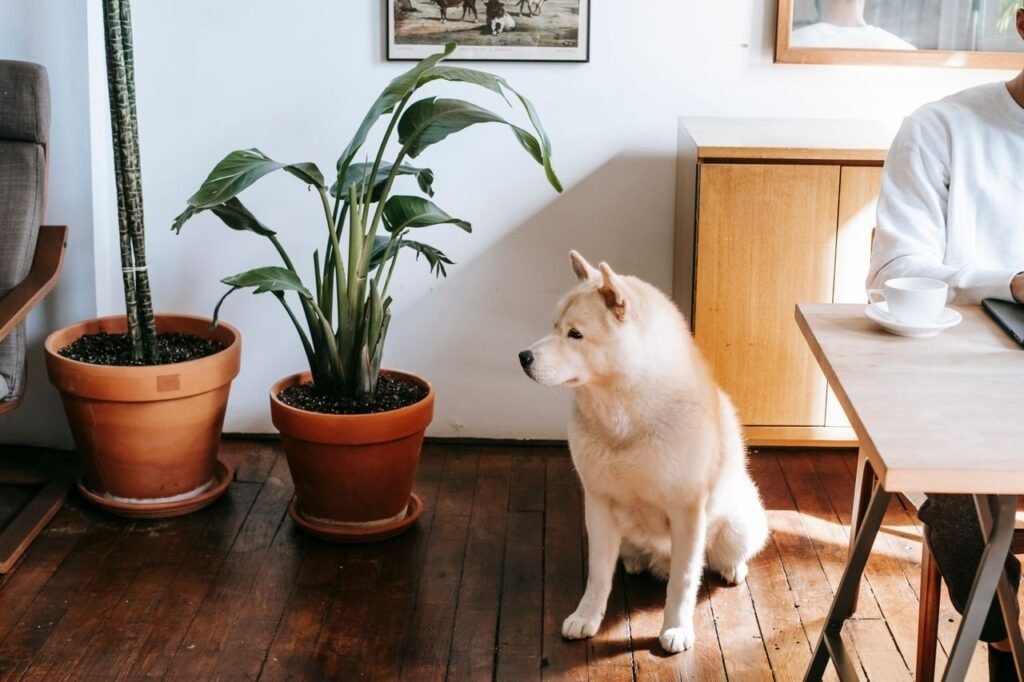
Many attractive houseplants can be dangerous for cats and dogs. Avoid keeping these plants within your pets’ reach:
| Plant | Risk |
| Peace Lily | Toxic to cats and dogs |
| Pothos | Causes mouth irritation |
| Sago Palm | Extremely poisonous |
| Dieffenbachia | Oral swelling |
| Aloe Vera | Digestive upset |
| Snake Plant | Mild toxicity |
| Philodendron | Calcium oxalate crystals |
| ZZ Plant | Toxic if eaten |
Plants to Avoid If You Have Pets
For contrast, here are some commonly known toxic plants to keep out of pet-friendly homes:
- Lilies (all varieties, especially dangerous for cats)
- Sago palm
- Aloe vera
- Pothos
- Philodendron
- Dieffenbachia (Dumb Cane)
- Oleander
- Tulip and daffodil bulbs
- English Ivy
Signs Your Pet Has Eaten a Toxic Plant
Watch for symptoms such as:
- Vomiting
- Diarrhea
- Excessive drooling
- Loss of appetite
- Difficulty breathing
- Swollen mouth
- Lethargy
- Tremors
Seek veterinary care immediately if you suspect your pet has eaten a poisonous plant.
How to Choose Pet Safe Indoor Plants
Choose pet-safe indoor plants by verifying they are non-toxic to cats and dogs, considering your home’s lighting, selecting easy-care varieties, and matching plant size to your space. Always research each plant before purchasing and buy from reputable nurseries to ensure accurate identification and safe, healthy plants.
What to Do If Your Pet Eats an Unknown Plant
If you’re unsure whether a plant is safe and your pet has ingested part of it, contact your veterinarian or an animal poison control hotline immediately. Symptoms of plant poisoning can include vomiting, diarrhea, excessive drooling, lethargy, or difficulty breathing. It’s always safer to act quickly than to wait and see.
Tips to Keep Pets Away from Houseplants
Even safe plants should not become chew toys. Helpful tips include:
- Place plants on elevated shelves.
- Use sturdy plant stands.
- Provide safe pet grass.
- Offer chew toys.
- Train pets using positive reinforcement.
- Keep fallen leaves cleaned up.
- Avoid hanging vines within reach.
Conclusion
Choosing the best pet-safe plants for your home lets you enjoy beautiful indoor greenery without compromising your pets’ safety. By selecting non-toxic plants, avoiding harmful species, and following simple care and placement tips, you can create a healthier, stylish, and pet-friendly living space where both your plants and furry companions thrive together.