
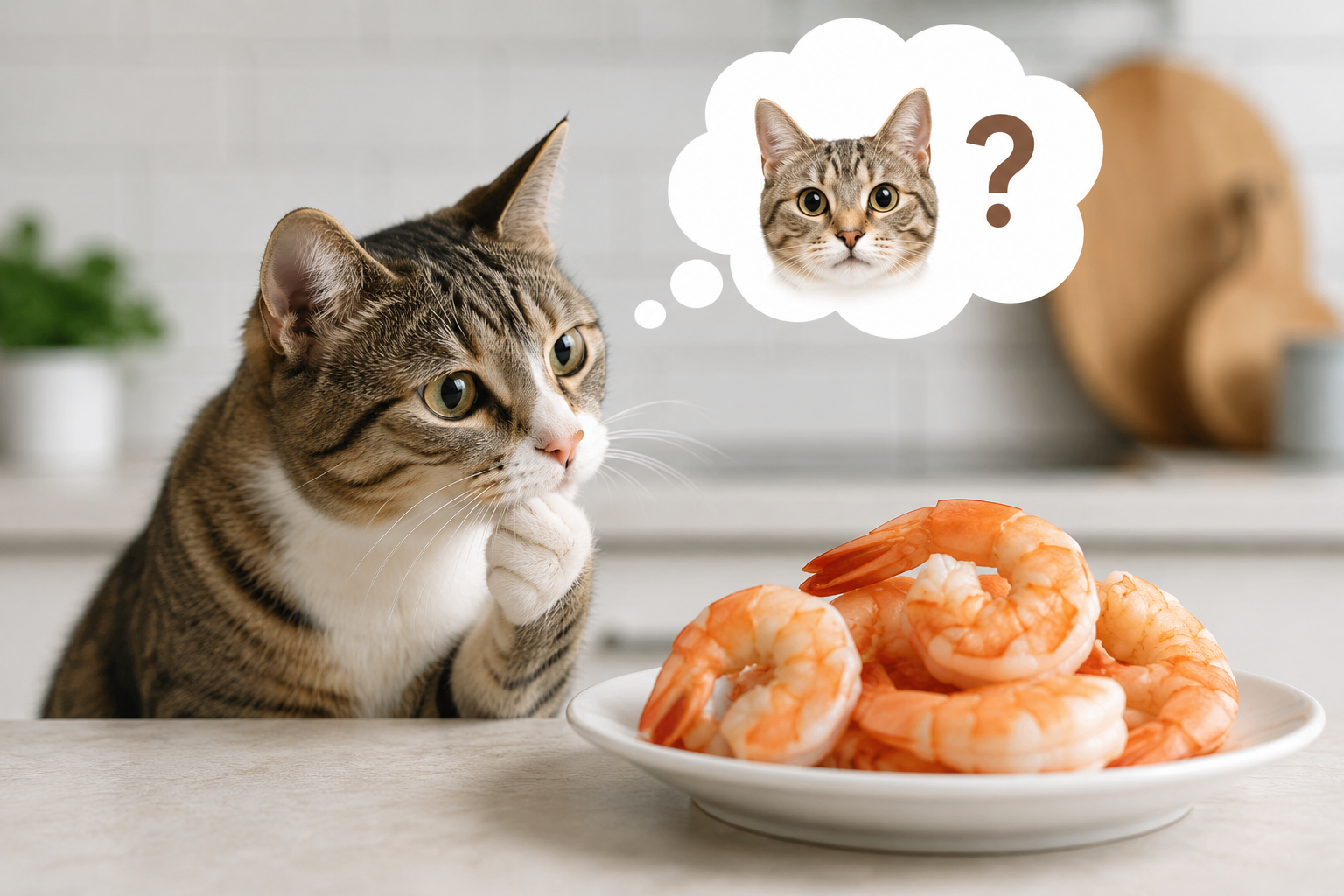
Learn if cats can eat shrimp safely. Discover benefits, risks, safe preparation tips, and how to feed cooked shrimp as an occasional cat treat for cats in 2026
Shrimp is a type of seafood classified as a shellfish. It is widely consumed by humans due to its high protein content, low fat levels, and rich flavor. Cats are naturally attracted to shrimp because of their strong smell and meaty texture.
Shrimp belong to the category of shrimp, which is commonly found in oceans and freshwater environments. Since cats are obligate carnivores, they are biologically drawn to animal-based proteins like shrimp.
Can Cats Eat Shrimp?
Yes, cats can eat shrimp, but only when they are properly cooked, peeled, and served plain without seasoning. Shrimp can be a healthy occasional treat because it is high in protein and low in fat. However, it should never replace a balanced cat diet. Moderation is essential.
Nutritional Benefits of Shrimp for Cats
Cats are obligate carnivores, meaning their bodies are designed to derive nutrition primarily from animal proteins. Shrimp fit naturally into this dietary profile and offer several nutritional advantages:
High-Quality Protein
Shrimp is a lean, high-protein food. Protein is essential for cats to maintain muscle mass, support organ function, and fuel energy. Since cats cannot synthesize certain amino acids on their own, dietary protein is critical — and shrimp delivers it efficiently.
Omega-3 Fatty Acids
Shrimp contains omega-3 fatty acids, particularly EPA and DHA, which support healthy skin, a shiny coat, joint health, and cognitive function in cats. These are the same beneficial fats found in fish oil supplements commonly recommended for feline health.
Essential Vitamins and Minerals
Shrimp is a natural source of several micronutrients that benefit cats:
- Iodine — supports healthy thyroid function
- Zinc — important for immune health and skin integrity
- Phosphorus — essential for bone and kidney health
- Vitamin B12 — supports neurological function and red blood cell production
- Selenium — an antioxidant mineral that protects cells from damage
Low in Calories and Fat
Compared to many other protein sources, shrimp is relatively low in calories and fat. This makes it a good occasional treat option for cats that are prone to weight gain, as long as portion sizes are kept small.
Potential Risks of Feeding Shrimp to Cats
While shrimp has real benefits, there are several risks to be aware of before adding it to your cat’s diet.
1. High Sodium Content
Shrimp naturally contain sodium, and when cooked with seasonings, butter, garlic, or salt, the sodium content skyrockets. High sodium intake can lead to excessive thirst, dehydration, and, in severe cases, sodium poisoning in cats. Always serve shrimp plain and unseasoned.
2. Shellfish Allergies
Although relatively rare, some cats can be allergic or sensitive to shellfish. Symptoms of a food allergy or intolerance in cats include vomiting, diarrhea, itchy skin, excessive grooming, or swelling. If you’re introducing shrimp, start with a very small amount and monitor your cat closely for 24–48 hours.
3. Choking and Digestive Hazards
Raw or improperly prepared shrimp can pose physical hazards:
- Shells and tails are sharp and can cause choking, mouth injury, or intestinal damage.
- Shrimp veins (the dark digestive tract running along the back) contain waste material and should always be removed before serving.
4. Raw Shrimp and Bacterial Contamination
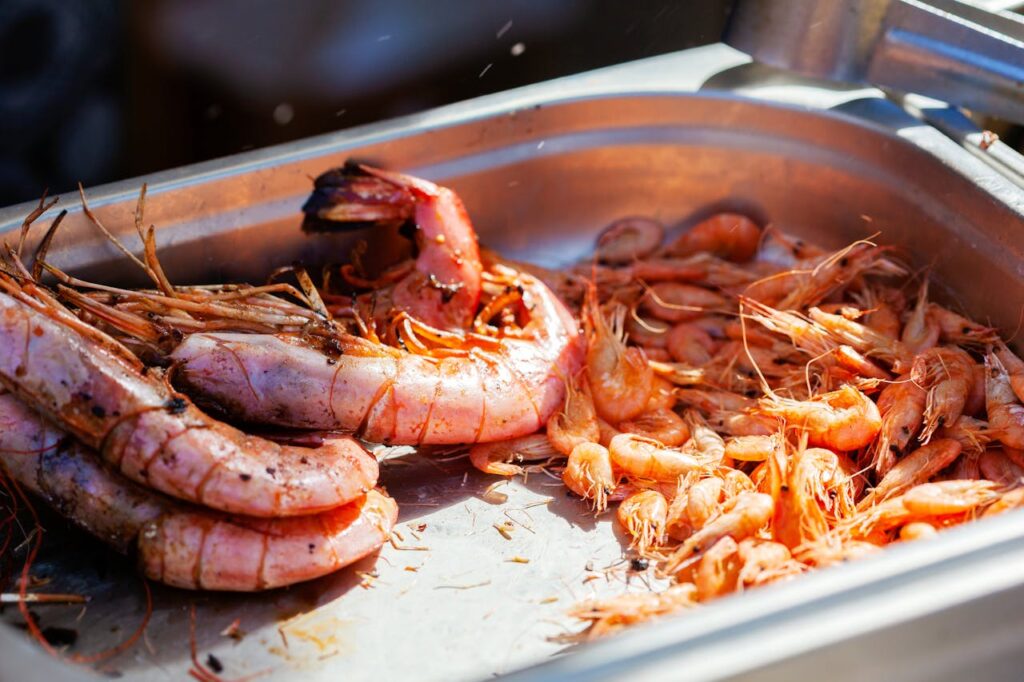
Raw shrimp can harbor harmful bacteria such as Salmonella and Listeria, as well as parasites. While cats have shorter digestive tracts than humans and are somewhat more resilient to certain pathogens, raw shrimp still poses a real risk of gastrointestinal illness. Cooked shrimp is always the safer choice.
5. Thiamine Deficiency Risk (Raw Shrimp)
Raw shellfish contain an enzyme called thiaminase, which breaks down thiamine (vitamin B1). Thiamine deficiency in cats can cause serious neurological symptoms, including loss of appetite, seizures, and in severe cases, death. Cooking deactivates this enzyme, which is another strong reason to only serve cooked shrimp.
6. Disruption of Balanced Diet
Shrimp should be a treat, not a dietary staple. Cats need a carefully balanced diet that provides complete nutrition, including taurine, which is critical for heart and eye health. Too much shrimp in place of nutritionally complete cat food can lead to deficiencies over time.
How to Safely Prepare Shrimp for Your Cat
Preparation is everything when it comes to feeding shrimp to cats. Follow these steps to make shrimp as safe as possible:
Step 1: Choose the Right Shrimp
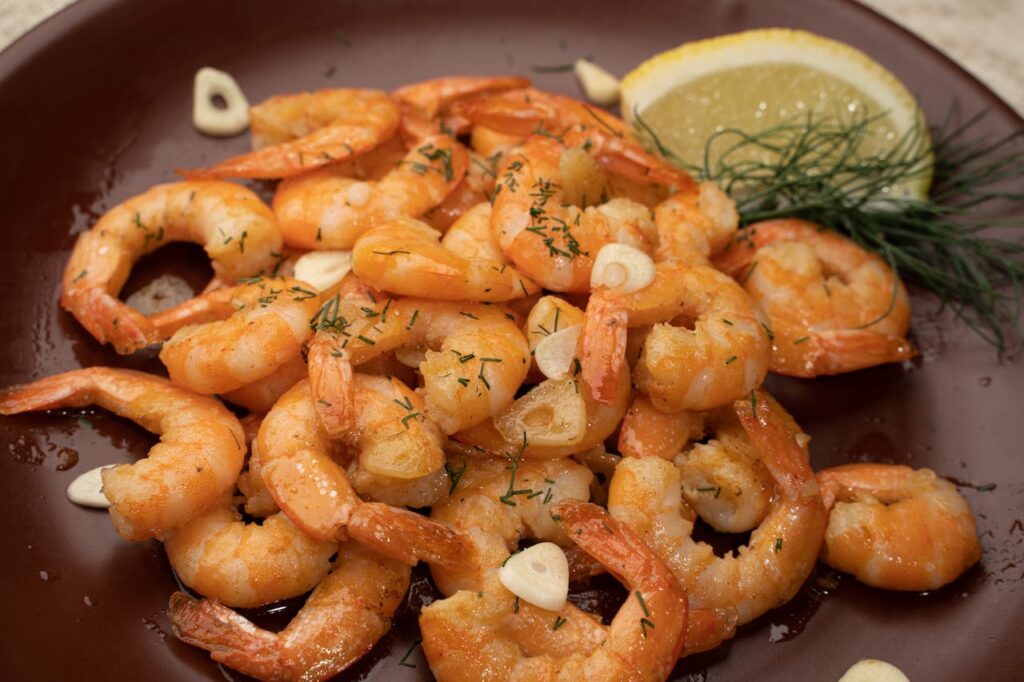
Use plain, fresh, or frozen shrimp with no added marinades, sauces, or seasonings. Avoid pre-seasoned, breaded, or fried shrimp products entirely.
Step 2: Remove the Shell and Tail
Always peel the shrimp completely before giving it to your cat. The shell and tail can be sharp, difficult to digest, and a choking hazard, especially for smaller cats.
Step 3: Devein the Shrimp
Use a small knife or deveining tool to remove the dark vein along the back of the shrimp. This is the digestive tract and contains waste material — it’s not harmful in tiny amounts, but it’s best practice to remove it.
Step 4: Cook It Plain
Steam or boil the shrimp without any oil, butter, garlic, onion, salt, or other seasonings. Garlic and onion, in particular, are toxic to cats and must never be used. Keep it as simple as possible.
Step 5: Let It Cool and Cut Into Small Pieces
Allow the shrimp to cool completely before serving. Cut it into small, bite-sized pieces appropriate for your cat’s size to minimize any choking risk.
Is Shrimp Safe for Cats?
Yes, shrimp is generally safe for cats when prepared correctly. However, it should only be given as an occasional treat, not a regular meal replacement.
Safe conditions include:
- Fully cooked shrimp (boiled or steamed)
- Plain preparation (no salt, spices, or sauces)
- Peeled and deveined shrimp
- Served in small portions
Unsafe conditions include:
- Raw shrimp (risk of bacteria and parasites)
- Fried or heavily seasoned shrimp
- Shrimp with garlic, onion, or butter
- Shells or tails (choking hazard)
Shrimp Versus Other Seafood for Cats
| Seafood | Safe for Cats? | Notes |
| Shrimp | Yes | Cooked and plain only |
| Salmon | Yes | Rich in omega-3 fats |
| Tuna | Yes | Occasional treat |
| Sardines | Yes | Nutrient-dense option |
| Crab | Yes | Cooked and plain |
| Lobster | Yes | Small amounts only |
| Raw Fish | No | Risk of bacteria and parasites |
Signs Your Cat May Not Tolerate Shrimp
Watch for these warning signs after feeding shrimp:
- Vomiting or nausea
- Loose stool or diarrhea
- Loss of appetite
- Excessive scratching
- Lethargy
If any of these symptoms appear, stop feeding shrimp immediately and consult a veterinarian.
Healthy Alternatives to Shrimp for Cats
If you want to give your cat safe protein treats, consider:
- Cooked chicken (plain)
- Boiled turkey
- Small pieces of fish (like salmon or tuna in moderation)
- Commercial cat treats
These options are often easier to digest and safer for regular feeding.
Conclusion
Cats can safely eat shrimp when it is properly cooked, peeled, and served plain in moderation. It offers protein and nutrients, but should only be an occasional treat. Avoid raw, seasoned, or shell-on shrimp. Balance is essential to prevent health risks and ensure a complete, nutritious feline diet overall today.

One thought on “Can Cats Eat Shrimp?”