
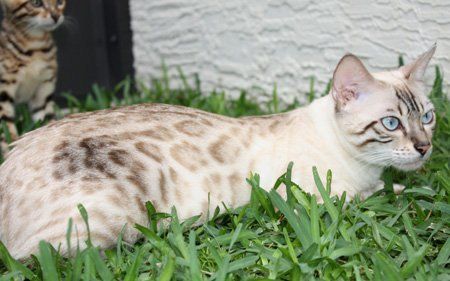
Discover the White Bengal cat: a rare, elegant feline with snowy-white fur, playful intelligence, and an affectionate temperament, perfect for active, loving homes.
What is White Bengal Cat?
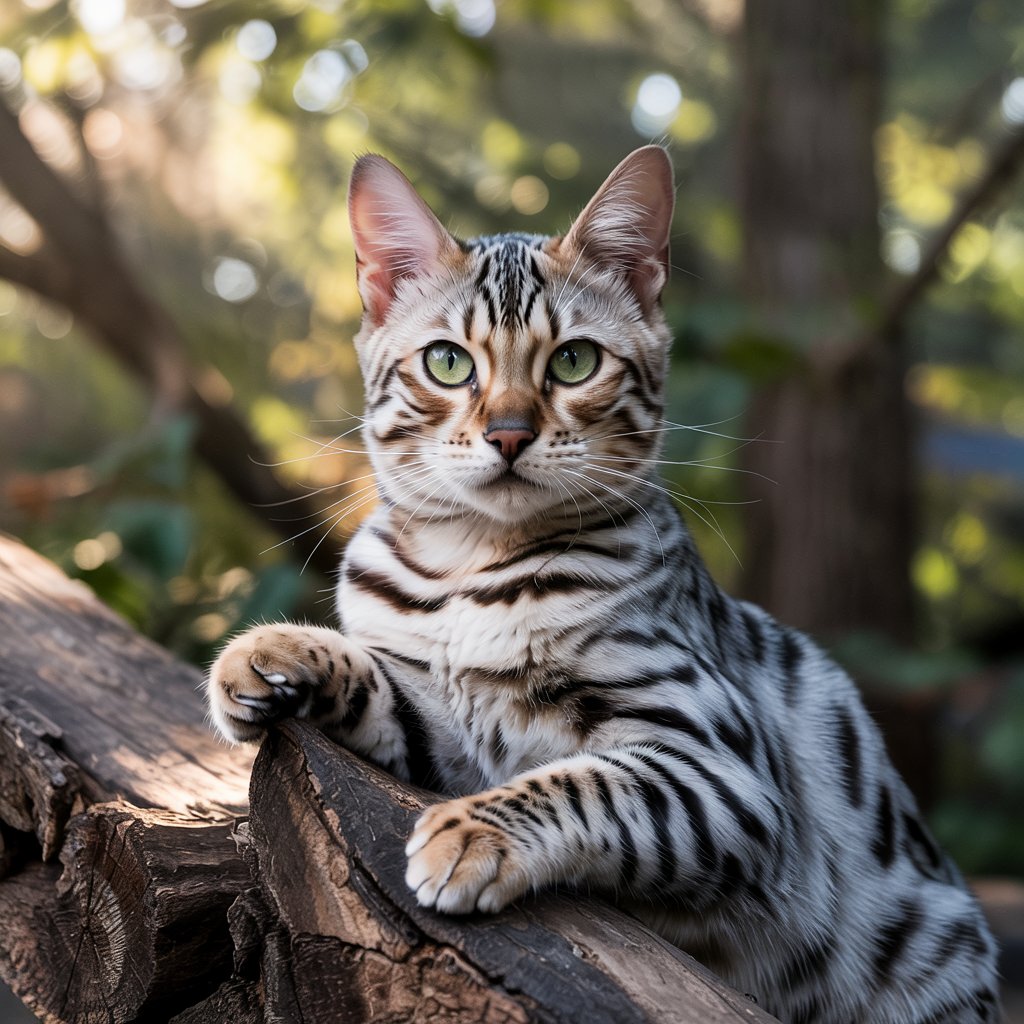
The White Bengal Cat is a rare and striking variant of the Bengal cat breed, known for its snowy-white or cream-colored coat combined with the breed’s distinctive spotted or marbled patterns.
Bengal cats are originally bred from domestic cats and the Asian leopard cat, creating a hybrid with exotic looks and playful personalities. The white Bengal is highly sought after for its unique appearance, elegance, and energetic nature.
Origins of the White Bengal Cat
Bengal cats were first developed in the 1960s by breeding domestic cats with Asian leopard cats to achieve a wild-looking domestic feline. While traditional Bengal cats are golden or brown with dark spots or rosettes, the white Bengal is a result of selective breeding to emphasize lighter coats, often involving snow Bengal lineage.
- Snow Bengals are the foundation for white Bengals.
- Breeders select cats with pale undercoats, ivory fur, and subtle markings.
- Genetic breeding ensures the cat retains Bengal traits: athleticism, intelligence, and a striking coat pattern.
Physical Characteristics of White Bengal Cats
Coat and Color Patterns
White Bengals have a soft, dense, and glittering coat that ranges from pure snow-white to pale cream. Many feature faint rosettes or marbled markings that add depth and beauty to their appearance. These cats are sometimes called “Snow Bengals” due to their shimmering, pristine fur that resembles freshly fallen snow.
Eye Color and Facial Features
One of the most captivating traits of White Bengal cats is their striking blue or green almond-shaped eyes. Their facial structure typically includes high cheekbones, a broad nose, and prominent whisker pads, giving them an alert and expressive look that mirrors their wild ancestry.
Size, Weight, and Lifespan
White Bengals are medium to large cats with a strong, muscular build. Adult males typically weigh between 12 and 18 pounds, while females range from 8 to 14 pounds.
These cats have a lifespan of 12–16 years, with proper care and nutrition, and experience healthy growth stages from energetic kittens to mature, active adults.
Personality and Temperament
Energy Levels and Playfulness
White Bengals are highly energetic and playful, requiring regular mental and physical stimulation. They enjoy climbing, interactive toys, and games that challenge their intelligence. Without adequate activity, they may become bored and exhibit mischievous behaviors.
Social Behavior with Humans and Pets
These cats are affectionate and thrive on social interaction. They generally bond closely with their human families and can coexist peacefully with other cats and even well-introduced dogs. Their loyalty and curiosity make them excellent companions for households that provide attention and engagement.
Training and Intelligence
White Bengals are remarkably intelligent and can be trained to perform tricks, walk on a leash, or follow commands. Puzzle toys, interactive feeders, and basic obedience training keep their minds sharp and help channel their curiosity productively.
Health Considerations
Diet and Nutrition Needs
A protein-rich diet is essential for the active White Bengal. High-quality wet and dry food ensures proper muscle development and overall health. Fresh water should always be available, and portion control helps prevent obesity.
Common Health Issues
Like other Bengals, the white variant may be prone to genetic conditions such as hypertrophic cardiomyopathy (heart disease), hip dysplasia, and dental problems. Early screening and responsible breeding minimize these risks.
Preventive Care
Routine veterinary check-ups, vaccinations, and parasite control are crucial for maintaining the cat’s health. Regular grooming and monitoring for signs of illness help detect potential problems early.
Caring for a White Bengal Cat
Grooming Requirements
Despite their short coat, White Bengals require weekly brushing to maintain coat health and reduce shedding. Occasional bathing may be necessary to preserve the pristine white color. Nail trimming, ear cleaning, and dental care are also important aspects of grooming.
Exercise and Mental Stimulation
Providing vertical spaces like cat trees, shelves, or climbing posts satisfies their natural climbing instincts. Interactive toys, puzzle feeders, and play sessions keep them physically active and mentally engaged.
Creating a Safe Home Environment
White Bengals are curious and energetic, so cat-proofing your home is important. Secure windows, remove toxic plants, and create safe indoor spaces to prevent accidents. Supervised outdoor time or enclosed outdoor catios can offer enrichment safely.
Breeding and Availability
Responsible Breeding Practices
Ethical breeders prioritize the health, temperament, and genetic diversity of White Bengals. Avoiding inbreeding, conducting health screenings, and following breed standards ensure kittens are healthy and well-adjusted.
Finding a White Bengal Cat
White Bengals are rare and can be found through reputable breeders or specialized adoption agencies. Prices vary depending on lineage, markings, and breeder reputation, often ranging from $2,000 to $5,000 or more. Always verify the breeder’s credentials before adoption.
Famous White Bengal Cats
White Bengals have become social media stars and celebrity pets due to their stunning appearance.
- Notable Cats: Many Instagram-famous White Bengal cats have gained huge followings, captivating fans worldwide with their rare snow-white coats and striking patterns.
- Celebrity-Owned Bengals: White Bengals owned by celebrities draw media attention for their exotic looks, rarity, and playful, intelligent personalities, increasing public fascination.
These cats have helped boost awareness and demand for the breed.
FAQs
Are White Bengals hypoallergenic?
No, they produce normal cat allergens, though some people report fewer reactions compared to other breeds.
Can White Bengals live with dogs?
Yes, White Bengals can live with dogs if properly socialized, introduced gradually, and provided a safe, supervised environment for interaction.
Are they good with kids?
Yes, White Bengal cats are very social, affectionate, and playful, making them excellent companions for children.
Are White Bengals rare?
Yes, White Bengals are rare due to their unique color mutation, selective breeding, and limited availability compared to standard Bengal coat patterns.
Conclusion
The White Bengal cat is a rare, elegant, and energetic companion, combining striking snowy-white coats with playful intelligence. With proper care, nutrition, and social interaction, these cats thrive in loving homes, offering both exotic beauty and affectionate, engaging personalities for families and cat enthusiasts alike.

One thought on “What is White Bengal Cat? Rare, Elegant, Snowy Feline Explained”
Comments are closed.