
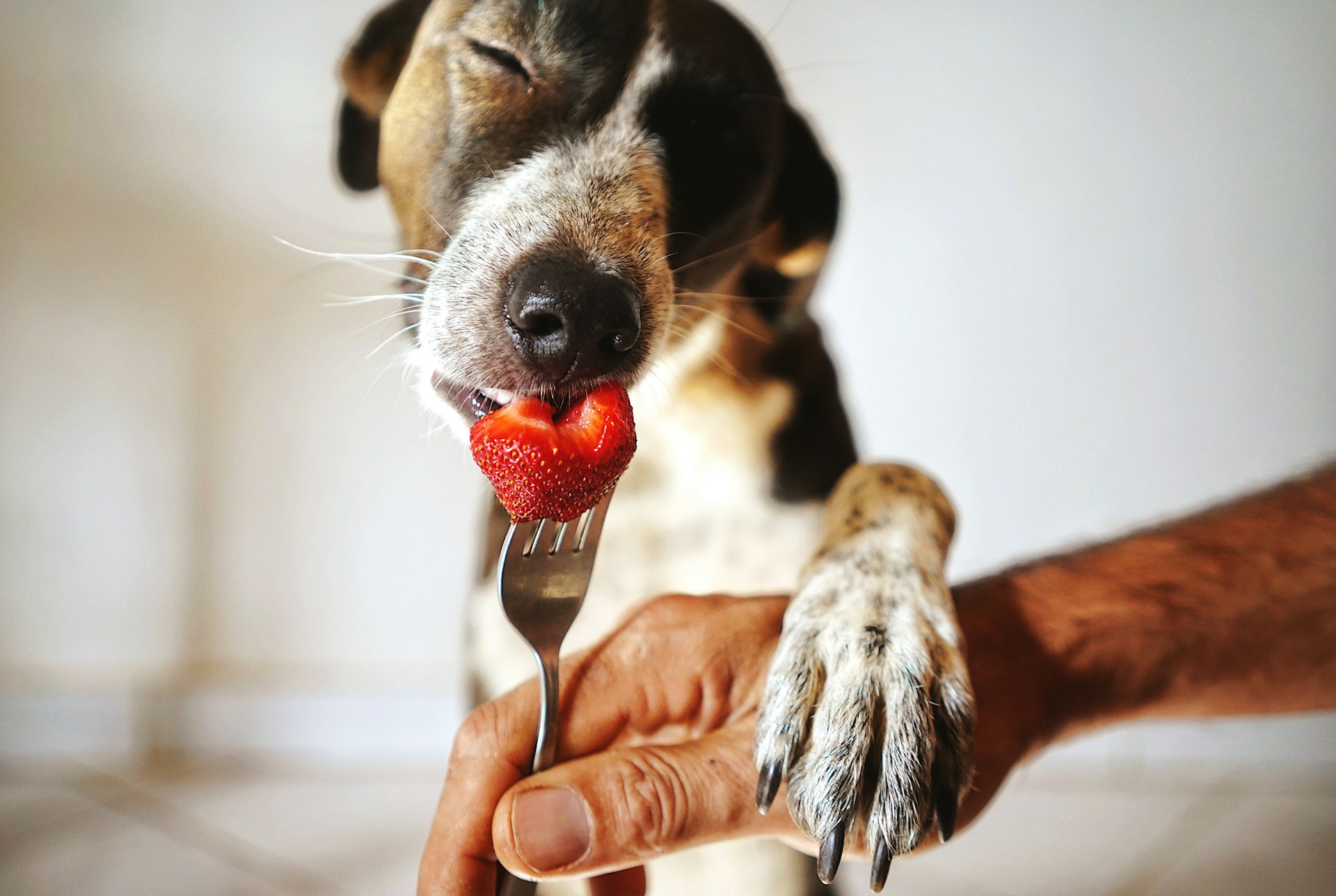
Learn about What Fruit Is Bad for Dogs. Learn which fruits are bad for dogs, including grapes, raisins, and avocados. Discover safe alternatives and tips for feeding fruit to your dog in moderation.
A fruit is the mature, edible part of a flowering plant that typically contains seeds. It develops from the ovary of a flower after fertilization and is often sweet or sour in flavor. Fruits provide essential nutrients, including vitamins, minerals, and fiber, making them an important part of a healthy diet.
What Fruit Is Bad for Dogs?
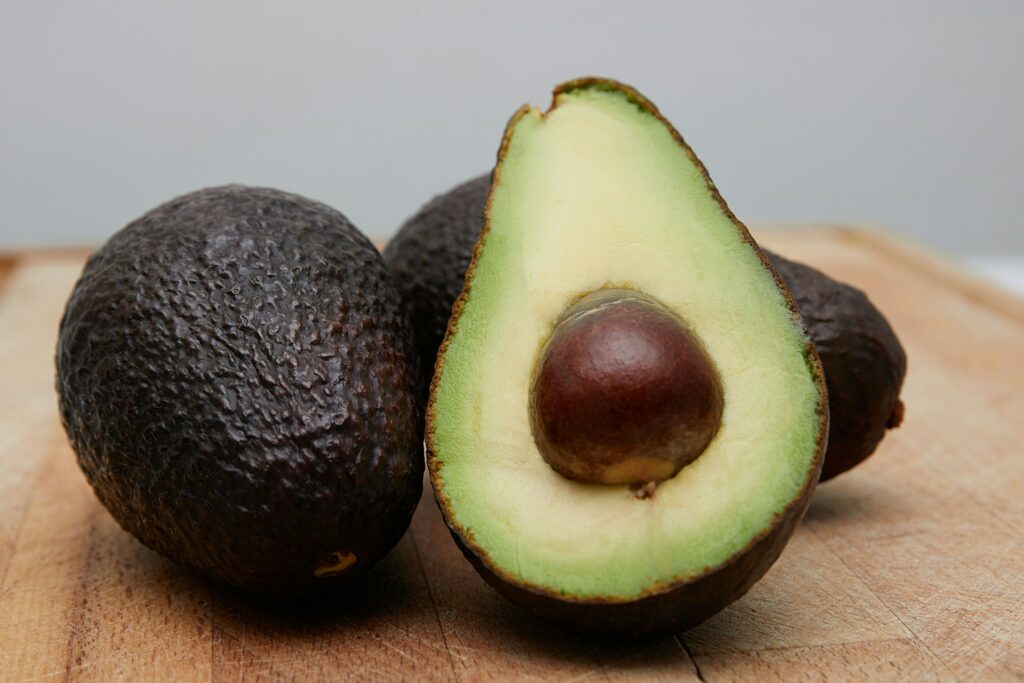
Avocado
Persin is the responsible compound in avocados which can induce vomiting and diarrhea in canines. While it’s safe for some animals like birds, dogs are more sensitive to persin. Ingesting even small amounts of avocado flesh or skin can lead to severe gastrointestinal issues or heart damage.
Cherries
Cherries, especially the pits, contain cyanide, which is toxic to dogs. If ingested in large quantities, they can cause breathing difficulties, dilated pupils, and even death. Additionally, the pit can cause choking or intestinal blockages. Always remove the pit when giving your dog a cherry as an occasional treat.
Raisins
Raisins (and grapes) are among the most dangerous fruits for dogs. Even small amounts can lead to acute kidney failure, which can be fatal if untreated. Symptoms of raisin toxicity include vomiting, lethargy, and loss of appetite. Avoid raisins and grapes at all costs to keep your dog safe.
Citrus
Citrus fruits like lemons, limes, and oranges contain citric acid and essential oils, which can irritate your dog’s stomach. Ingesting citrus fruits can cause drooling, vomiting, diarrhea, and even depression. While small amounts may not cause major harm, it’s best to keep citrus fruits away from your dog.
Tomatoes
Tomatoes, particularly the green parts (stems and leaves), contain solanine, a toxic substance to dogs. Consuming these parts can lead to gastrointestinal upset, lethargy, and confusion. While ripe tomatoes are less harmful, it’s still advisable to limit your dog’s exposure to them to avoid any potential health risks.
Grapes
Grapes and their dried versions, raisins, are highly poisonous to canines. Even a small amount can cause kidney failure, which may not show immediate signs but can result in death if not treated promptly. Vomiting, diarrhea, and lack of appetite were some symptoms. It’s important never to feed grapes to dogs.
Wild Berries
Wild berries may appear to be a healthy snack for your dog, but many varieties are toxic. For example, certain types of berries contain compounds that can cause nausea, vomiting, and even more severe reactions like liver damage. Always identify the berries before allowing your dog to eat them.
Blackberry
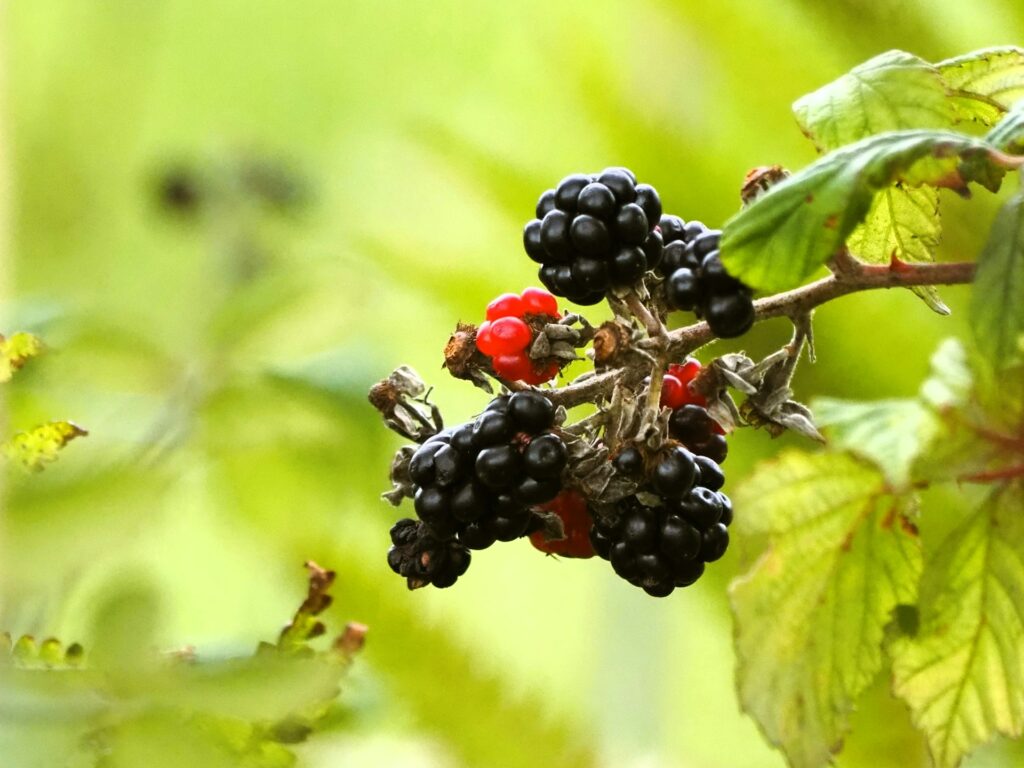
Blackberries themselves are not toxic to dogs, but they can be harmful in excess. Too many blackberries may lead to stomach upset, diarrhea, or gastrointestinal distress due to their high fiber content. Moderation is key when sharing blackberries with your dog to avoid these issues.
Bananas
Bananas are generally safe for dogs in moderation. However, feeding your dog too many bananas can lead to digestive issues like constipation. Bananas are high in sugar, which could also lead to obesity or other health problems if consumed frequently. Always feed in small, controlled portions.
Chives
Chives are part of the Allium family, which includes garlic and onions. These vegetables can cause severe health issues for dogs, such as anemia, lethargy, and gastrointestinal distress. Even small amounts of chives can be harmful, so it’s crucial to keep them out of your dog’s reach at all times.
Nuts
Certain nuts, like macadamia nuts, are extremely toxic to dogs and can cause symptoms like tremors, vomiting, and hyperthermia. While other nuts, such as almonds or peanuts, are not toxic, they can cause choking hazards and stomach upset in dogs. It’s best to avoid giving your dog any type of nut.
Chocolate
Chocolate, especially dark chocolate, contains theobromine, a compound toxic to dogs. Ingesting chocolate can cause vomiting, diarrhea, rapid heart rate, and seizures. The toxicity level depends on the type and amount of chocolate consumed, but any exposure to chocolate should be treated as a medical emergency.
Why Fruits Can Be Harmful to Dogs
Fruits, while nutritious for humans, can sometimes contain substances that are harmful to dogs. Dogs have a different digestive system from humans, which means they process food differently. Certain fruits contain high levels of sugar, seeds, or compounds that can cause poisoning, choking, or digestive issues for dogs. It is essential to understand which fruits pose a threat to your dog’s health to prevent any unfortunate accidents.
Symptoms of Fruit Toxicity in Dogs
If your dog consumes a toxic fruit, the symptoms may vary depending on the type of fruit and the amount ingested. Common signs of fruit toxicity in dogs include:
- Vomiting
- Diarrhea
- Lethargy
- Loss of appetite
- Abdominal pain or bloating
- Difficulty breathing
- Increased heart rate
- Seizures (in extreme cases)
If you suspect your dog has consumed a toxic fruit, contact your veterinarian immediately. The quicker you act, the better the chances of preventing long-term damage or death.
Why Should You Be Concerned About Fruits for Dogs?
Fruits, while generally healthy for humans, can have adverse effects on dogs. Some fruits contain substances that can be harmful to dogs’ digestive systems or even toxic to their bodies. Additionally, many fruits contain sugars and acids that dogs can’t process as effectively as humans, which may lead to stomach upset, weight gain, or worse.
It’s important to remember that every dog is different, and what may cause a reaction in one dog might not affect another. However, as a general rule, it’s always better to be safe and avoid feeding your dog fruits that are known to be harmful.
How to Safely Feed Fruit to Your Dog
While some fruits are dangerous, others can be a healthy and enjoyable treat for your dog. If you wish to give your dog fruit, here are some tips for doing so safely:
1. Remove Seeds and Pits
Always remove seeds, pits, and cores from fruits before giving them to your dog. These can pose choking hazards and contain harmful toxins.
2. Moderation is Key
Even non-toxic fruits should be fed in moderation. Too much fruit can cause digestive upset, including diarrhea and an upset stomach. Fruits should be treated as a treat rather than a primary food source.
3. Introduce New Fruits Slowly
If you are introducing a new fruit to your dog, start with a small amount to see how they react. This will help prevent potential allergic reactions or digestive issues.
4. Wash Fruits Thoroughly
Make sure to wash fruits thoroughly to remove pesticides, dirt, or chemicals that could harm your dog. Organic fruits are always a safer option if you can find them.
5. Avoid Dried Fruits
Dried fruits, such as raisins, figs, and apricots, are often concentrated with sugars and can lead to digestive problems. Always opt for fresh fruits instead.
FAQs
Can dogs eat bananas?
Yes, bananas are safe for dogs in moderation. They are rich in potassium and fiber, making them a healthy treat. However, too many bananas can lead to constipation, so it’s best to offer them in small portions.
Are citrus fruits dangerous for dogs?
Yes, citrus fruits like lemons, limes, and oranges can cause digestive issues in dogs due to their high citric acid content. Ingesting too much can lead to vomiting, diarrhea, and lethargy. It’s best to avoid giving citrus fruits to your dog.
Is it safe for dogs to eat avocados?
No, avocados should not be fed to dogs. They contain persin, a toxic substance that can cause vomiting, diarrhea, and even heart problems. The pit can also pose a choking hazard or lead to an intestinal blockage.
What should I do if my dog eats a harmful fruit?
If you believe your dog has eaten a toxic fruit, contact your veterinarian immediately. Symptoms of poisoning may include vomiting, diarrhea, lethargy, and abdominal pain. The sooner you seek medical help, the better the chances of recovery.
Conclusion
It’s crucial to know which fruits are bad for dogs to keep them healthy and safe. Fruits like grapes, raisins, avocados, and citrus can cause severe health problems. Always ensure that any fruit given to your dog is safe, and when in doubt, consult a veterinarian.



3 thoughts on “What Fruit Is Bad for Dogs? A Guide for Pet Owners”
Comments are closed.