Can dogs eat avocado? Learn the benefits, risks, persin toxicity, symptoms, safe feeding tips, and vet-approved fruit alternatives for your dog.
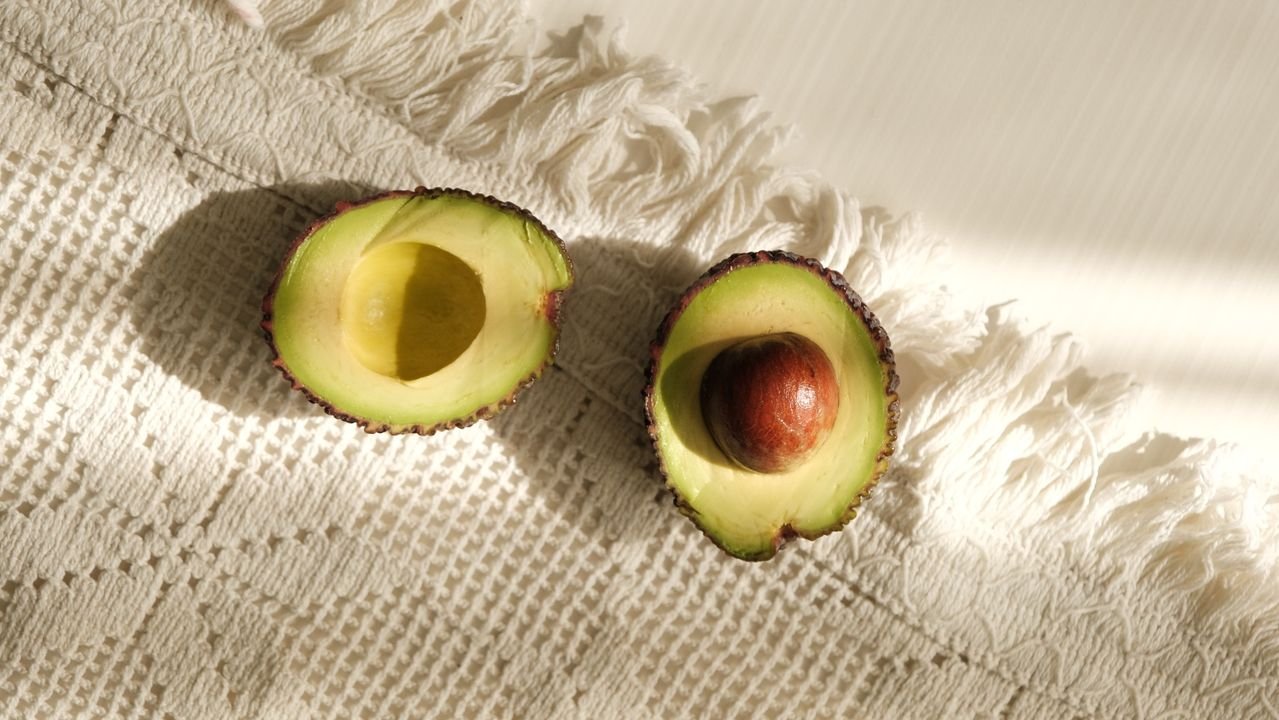
Avocado is a nutrient-rich fruit that grows on the avocado tree (Persea americana). It has creamy green flesh, a large central pit, and a dark or green outer skin. Rich in healthy fats, fiber, vitamins, and antioxidants, avocado is popular in human diets but should be offered to dogs with caution.
What Is Persin and Why Does It Matter?
Persin is a fungicidal toxin naturally found in avocado plants. It’s most concentrated in the leaves, bark, skin, and pit, with much smaller amounts present in the fruit’s flesh. While persin poses a serious risk to birds, horses, and some other animals, dogs are generally less sensitive to it than these species. Still, ingestion can lead to digestive issues, and larger amounts or exposure to the skin and pit raise the risk significantly.
Nutritional Benefits of Avocado
The edible flesh of avocado contains several nutrients that may benefit dogs when eaten in moderation.
These include:
- Healthy monounsaturated fats
- Vitamin E
- Vitamin C
- Vitamin B6
- Potassium
- Folate
- Fiber
- Antioxidants
These nutrients support:
- Healthy skin
- Shiny coat
- Immune function
- Brain health
- Cell repair
However, dogs can receive these nutrients from balanced commercial dog food without the risks associated with avocado.
Can Dogs Eat Avocado?
Yes, dogs can eat small amounts of plain avocado flesh, but it should only be an occasional treat. Avoid feeding the pit, skin, leaves, or guacamole, as they can pose choking, digestive, or toxicity risks. Because avocado is high in fat, too much may cause stomach upset or pancreatitis in some dogs.
Why Is Avocado Sometimes Dangerous for Dogs?
Persin Poisoning
Avocados contain persin, a natural fungicidal toxin found mainly in the leaves, skin, and pit. While small amounts of avocado flesh are usually tolerated, consuming large quantities may cause vomiting, diarrhea, and stomach upset in dogs.
Choking Hazard
The large avocado pit can become lodged in a dog’s throat or digestive tract, creating a serious choking or intestinal blockage risk. Always remove the pit and keep it out of your dog’s reach.
High-Fat Foods
Avocado flesh is rich in healthy fats for humans, but excessive fat can upset a dog’s stomach. Eating too much may lead to vomiting, diarrhea, weight gain, or even pancreatitis in sensitive dogs.
Health Risks of Avocado for Dogs
1. Gastrointestinal Upset
The most common reaction dogs have to avocado is stomach discomfort. This can include:
- Vomiting
- Diarrhea
- Abdominal pain
- Loss of appetite
2. Choking Hazard and Intestinal Blockage
The avocado pit is a significant danger, separate from its toxicity. Its round, hard shape makes it a choking hazard, and if swallowed, it can become lodged in the esophagus, stomach, or intestines. Intestinal blockages are a medical emergency and often require surgery to resolve.
3. Pancreatitis Risk
Avocados are high in fat. Dogs that eat too much fatty food, including avocado flesh, run the risk of developing pancreatitis, a painful and potentially serious inflammation of the pancreas. Symptoms include vomiting, lethargy, abdominal pain, and reduced appetite.
4. Weight Gain
Because of its high fat and calorie content, regular avocado consumption can contribute to unwanted weight gain in dogs, especially smaller breeds or less active dogs.
Symptoms of Avocado Toxicity in Dogs
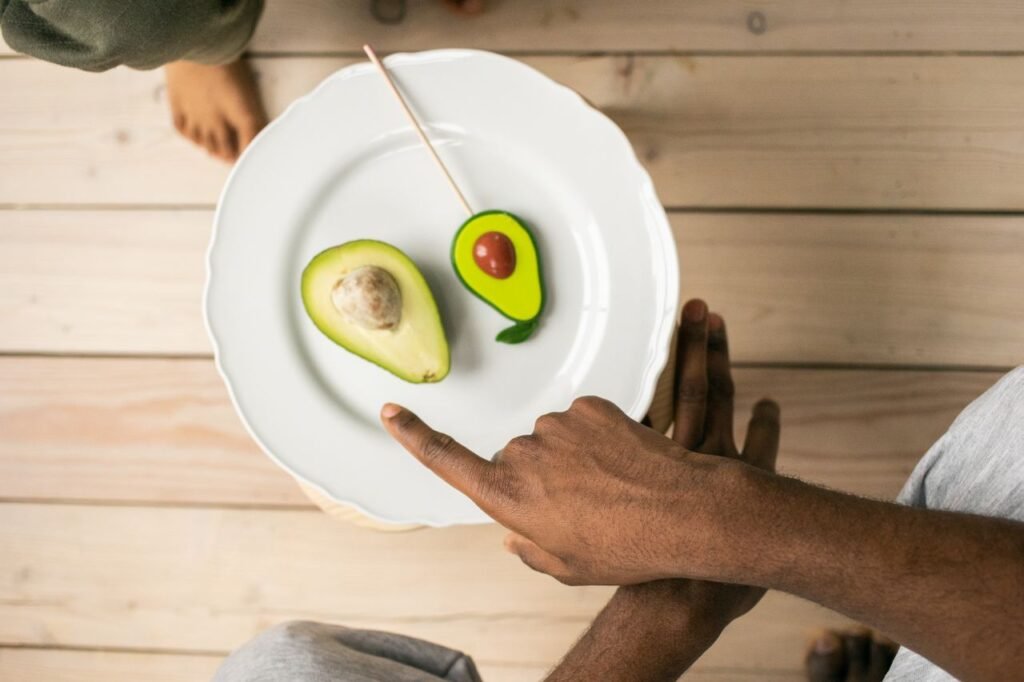
If your dog has eaten avocado, particularly the skin, pit, or a large quantity of flesh, watch for these signs:
- Vomiting or diarrhea
- Difficulty breathing (especially if choking on the pit)
- Abdominal swelling or pain
- Lethargy or unusual weakness
- Loss of appetite
- Signs of gastrointestinal blockage, such as straining or inability to pass stool
If you notice any of these symptoms, contact your veterinarian or an emergency animal poison control hotline immediately.
How Much Avocado Can Dogs Eat?
If your veterinarian approves, only offer a very small portion.
General guideline:
| Dog Size | Maximum Plain Avocado Flesh |
| Small dogs | 1 teaspoon |
| Medium dogs | 1–2 teaspoons |
| Large dogs | 1 tablespoon |
Only offer it occasionally, not daily.
What to Do If Your Dog Eats Avocado
- Stay calm and assess how much your dog consumed and which part of the avocado (flesh, skin, or pit).
- Remove any remaining avocado from your dog’s reach.
- Monitor closely for symptoms over the next 24–48 hours.
- Call your veterinarian if your dog ate the skin or pit, ate a large amount of flesh, or shows any symptoms of distress.
- Seek emergency care immediately if you suspect your dog swallowed the pit whole, as this requires prompt evaluation for blockage risk.
Are Some Dogs More at Risk Than Others?
Yes. Certain dogs face higher risks from avocado consumption:
- Small-breed dogs are more vulnerable to choking and blockages due to their smaller digestive tracts.
- Puppies have more sensitive digestive systems and are more prone to complications.
- Dogs with a history of pancreatitis should avoid high-fat foods like avocado entirely.
- Dogs with food sensitivities may react more strongly to new or rich foods.
Safer, Vet-Approved Alternatives to Avocado
If you’re looking for healthy, dog-safe fruits and vegetables to share with your pet, consider these alternatives instead:
- Sliced apples (without seeds or core)
- Blueberries
- Carrots
- Green beans
- Watermelon (seedless, no rind)
- Cooked, plain pumpkin
These options provide nutritional benefits without the risks associated with avocado.
Frequently Asked Questions
Can dogs eat avocado skin?
No. Avocado skin contains a higher concentration of persin than the flesh and should never be given to dogs.
Can dogs eat avocado pits?
No. Avocado pits are toxic in concentration and pose a serious choking and intestinal blockage risk. They should always be kept away from dogs.
How much avocado is toxic to dogs?
There’s no universally agreed-upon “safe” amount, since toxicity depends on the dog’s size, breed, and sensitivity. Because of the variability and risk, most veterinarians recommend avoiding avocado altogether rather than trying to calculate a safe portion.
Can puppies eat avocado?
Puppies should not eat avocado. Their digestive systems are more sensitive, and they are at higher risk for complications from both persin exposure and high-fat content.
Conclusion
Dogs can eat small amounts of plain avocado flesh, but it is not the safest treat. The pit, skin, and leaves should always be avoided due to choking, blockage, and persin-related risks. If your dog accidentally eats avocado or develops symptoms, contact your veterinarian promptly. Safer fruits like apples and blueberries are better everyday treats.