
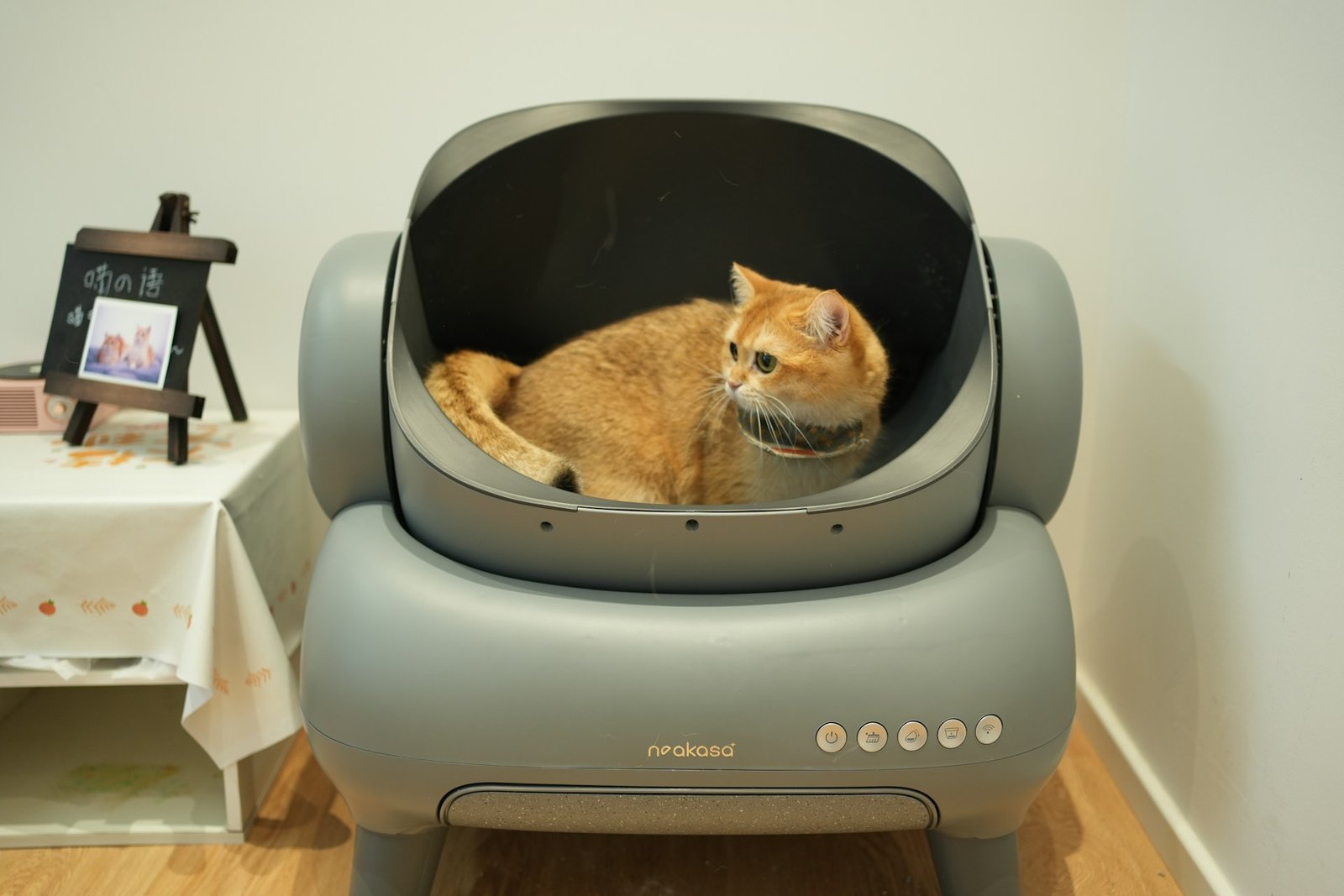
Learn how to train a cat to use a litter box with easy steps, expert tips, common problem solutions, and advice for kittens and adult cats alike.
Training a cat to use a litter box is one of the first and most important steps in raising a healthy, happy, and well-behaved pet. The good news is that most cats naturally prefer to bury their waste, making litter box training much easier than many people expect. Whether you have a new kitten, an adopted adult cat, or a rescue that has never used a litter box before, following the right approach can help them learn quickly.
Why Litter Box Training Is Important
Proper litter box training helps:
- Keeps your home clean and odor-free
- Prevents accidents around the house
- Reduces stress for both cats and owners
- Encourages healthy bathroom habits
- Makes it easier to monitor your cat’s health
Cats that consistently avoid the litter box may also be showing signs of medical or behavioral problems, so proper training helps identify issues early.
How to Train a Cat to Use a Litter Box?
Step 1: Choose the Right Litter Box
The box itself is often the biggest factor in litter box success or failure.
Size matters. The litter box should be at least one and a half times the length of your cat from nose to tail base. Many commercial boxes are too small, especially for large breeds.
Consider the type:
- Open boxes are preferred by most cats because they allow full visibility and easy escape routes, which reduces anxiety.
- Covered boxes trap odor, which can be off-putting to a cat’s sensitive nose, and can make cats feel trapped or ambushed by other pets.
- Low-sided boxes work best for kittens, senior cats, or cats with mobility issues.
How many boxes do you need? The general rule is one litter box per cat, plus one extra. So a household with two cats should have three boxes, ideally placed in different locations.
Step 2: Pick a Litter Your Cat Will Actually Use
Cats can be surprisingly picky about litter texture and scent.
- Unscented, fine-grained clumping litter is the most universally accepted option, since it mimics the texture of natural sand or soil that cats instinctively want to dig in.
- Avoid heavily perfumed litters at first — strong fragrances can discourage use, even if they smell pleasant to humans.
- If you’re switching litter brands, do it gradually by mixing the new litter with the old over 7–10 days to avoid rejection.
Step 3: Choose the Right Location
Placement can make or break litter box training.
- Pick a quiet, low-traffic area away from the cat’s food and water bowls (cats instinctively avoid eliminating near where they eat).
- Ensure the box is easily accessible at all times — never behind a closed door or up a flight of stairs for kittens or older cats.
- Avoid placing boxes near loud appliances like washing machines or furnaces, as sudden noises can startle a cat mid-use and create a lasting aversion.
- In multi-cat homes, spread boxes across different rooms rather than lining them up in one spot, since some cats won’t share a “territory.”
Step 4: Introduce the Cat to the Box
Once the box, litter, and location are set up:
- Show the cat where the box is as soon as it arrives home, before it has a chance to explore other areas.
- Gently place the cat in the box and let it sniff and dig on its own — don’t force its paws into the litter.
- Watch for elimination cues, such as sniffing the floor, circling, or scratching at a surface. When you notice these signs, calmly carry the cat to the box.
- Repeat after meals and naps, since cats commonly need to eliminate shortly after eating or waking up.
Kittens usually learn within a few days by watching their mother or simply through instinct. Once placed in the box a few times. Adult cats adopted from shelters are often already litter-trained and just need to learn the location of the new box.
Step 5: Use Positive Reinforcement
Cats respond far better to reward-based encouragement than to punishment.
- Offer a treat or verbal praise immediately after your cat uses the box successfully.
- Keep the box clean — scoop waste at least once daily. A dirty box is one of the top reasons cats avoid using it.
- Never punish, scold, or rub a cat’s nose in an accident. This creates fear and anxiety around elimination, which often makes litter box problems worse, not better.
Step 6: Maintain a Consistent Cleaning Routine
Ongoing maintenance is part of training, not separate from it.
- Scoop daily to remove clumps and solid waste.
- Fully replace litter and wash the box with mild, unscented soap every 1–2 weeks (more often for non-clumping litter).
- Avoid harsh chemical cleaners, which can leave a scent that repels cats.
- Replace boxes that become scratched or worn, since porous plastic can hold onto odor even after cleaning.

Common Litter Box Problems and How to Fix Them
The Cat Won’t Use the Box At All
This is often linked to an unappealing location, dirty litter, or a box that’s too small. Start by reviewing the placement and cleanliness before assuming behavioral issues are involved.
The Cat Is Eliminating Outside the Box
This can signal a preference issue (wrong litter type, box size, or location) or a medical issue such as a urinary tract infection. If the behavior is sudden and persistent, a vet visit is strongly recommended to rule out health concerns.
Multiple Cats Fighting Over the Box
In multi-cat households, resource guarding can occur around litter boxes. Providing enough boxes in separate locations, following the “one per cat plus one” rule, usually resolves this.
Kitten Accidents
Young kittens may not yet have full bladder control or may forget where the box is located. Confining them to a smaller area with the litter box nearby during the early training period can help build the habit faster.
How Long Does Litter Box Training Take?
Most kittens and cats learn to use the litter box within a few days to two weeks, especially since the behavior is largely instinctual. Cats coming from shelters or previous homes may already be litter trained, while kittens or cats with past trauma may need a bit more patience and consistency.
Tips for Long-Term Litter Box Success
- Stick to a consistent litter type and box location once your cat is comfortable.
- Avoid punishing accidents, as this can create anxiety and worsen avoidance behavior.
- Monitor litter box habits closely, since changes in frequency or straining can be an early sign of health issues.
- Provide enough boxes for the number of cats in your home to prevent territorial stress.
Litter Training Kittens vs. Adult Cats
| Factor | Kittens | Adult Cats |
| Learning speed | Usually within days | Often already trained; needs relocation cues |
| Box type | Low sides, easy access | Standard or large, based on size |
| Supervision | Frequent placement after meals/naps | Minimal, unless retraining after an issue |
| Common issues | Missing the box due to size | Medical causes or environmental stress |
FAQs
Do kittens need to be taught to use a litter box?
Most kittens learn litter box use instinctively, often by watching their mother. Placing them in the box after meals and naps is usually enough guidance.
What if my cat suddenly stops using the litter box?
Sudden changes in litter box habits are often linked to stress, a dirty box, or an underlying medical condition, so a vet checkup is recommended.
Should I use scented or unscented litter?
Unscented litter is generally recommended, since cats have a strong sense of smell and often find fragrances unpleasant or overwhelming.
How many litter boxes do I need for multiple cats?
The standard recommendation is one litter box per cat, plus one additional box, placed in separate locations throughout the home.
Conclusion
Training your cat to use a litter box is usually simple with patience, consistency, and the right setup. Choosing an appropriate litter box, maintaining cleanliness, and rewarding positive behavior help build lasting habits. By understanding your cat’s needs and addressing problems early, you can create a clean, comfortable, and stress-free home for both of you.