
Are Bengals illegal in California? Learn laws, F1–F4 rules, permits, and how to legally own a Bengal cat while staying compliant with state regulations.
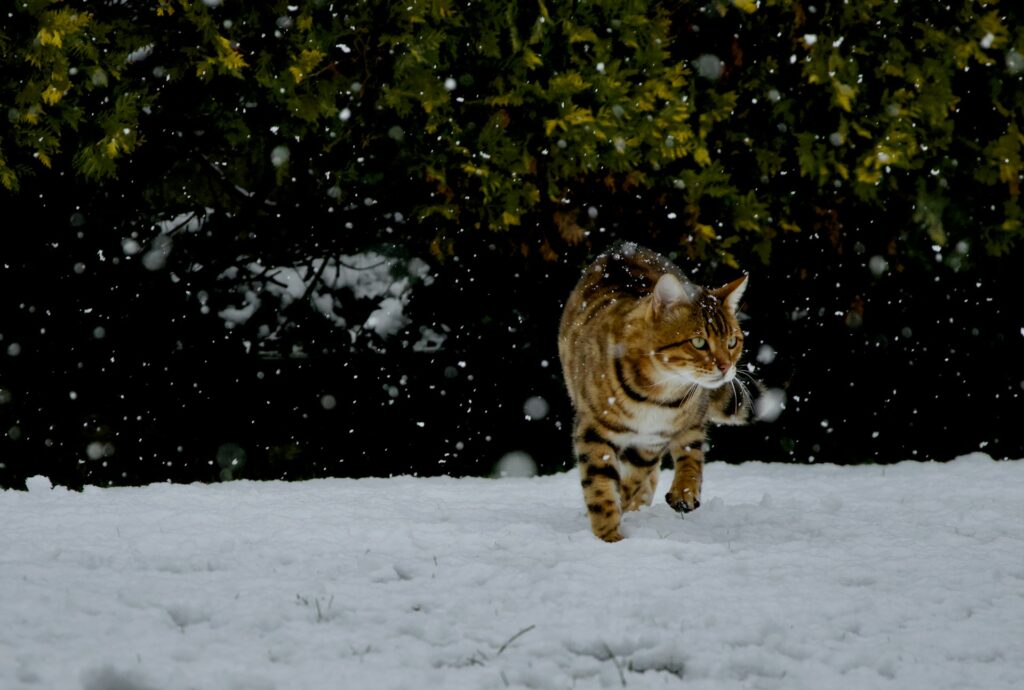
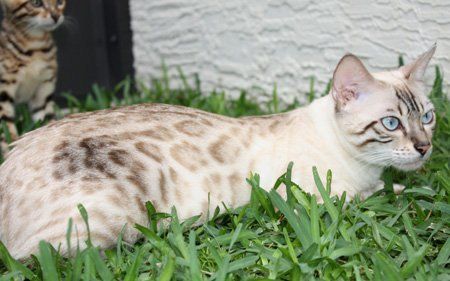
Bengal cats are a hybrid breed created by crossing domestic cats with the wild Asian leopard cat (Prionailurus bengalensis). This breeding produced cats with a striking spotted or marbled coat, resembling a small leopard, but with a domestic temperament. Bengals are known for their intelligence, high energy levels, and affectionate behavior. However, their wild ancestry sometimes raises legal and safety concerns.
What is a Bengal Cat?
A Bengal cat is a hybrid breed created by crossing a domestic cat with the Asian leopard cat. This results in a cat that has a wild appearance but, in later generations, behaves like a typical house cat.
Key Characteristics
- Distinctive spotted or marbled coat
- High energy and intelligence
- Playful and social personality
- Strong hunting instincts
Why Bengals Are Sometimes Confused with Wild Cats
The confusion arises because early-generation Bengals (F1 and F2) are direct hybrids of domestic cats and Asian leopard cats. These hybrids can display stronger wild instincts, making them look and behave more like wild animals. Consequently, some authorities may classify them as exotic or restricted species.
Popularity of Bengals in the U.S.
Bengal cats have surged in popularity across the United States due to their exotic look and dog-like behavior. Many pet owners are drawn to their uniqueness, but their hybrid origins also bring legal considerations—especially in states like California.
Are Bengals Illegal in California?
Bengal cats are not illegal in California, but restrictions apply to early-generation hybrids. Cats classified as F4 or later generations are fully legal as domestic pets. Earlier generations may require permits or be prohibited. Always check local regulations to ensure compliance before owning or purchasing a Bengal cat in California.
The Legal Status of Bengals in California
Exotic Pet Laws in California
California maintains one of the strictest exotic animal laws in the United States. The state prohibits ownership of many wild animals, including big cats like lions, tigers, and certain hybrid cats. The California Department of Fish and Wildlife (CDFW) oversees these regulations, ensuring public safety and wildlife protection.
Bengal Cats and the Law
The legal status of a Bengal cat in California depends largely on its generation:
- F1 to F3 Bengals: These are early-generation hybrids, meaning one or more parents were directly descended from a wild Asian leopard cat. In California, owning F1–F3 Bengals generally requires special permits because they are considered potentially dangerous or exotic.
- F4 and Later Bengals: Bengals from the fourth generation onward are considered domestic cats. They are fully legal to own in California without a special permit. Most Bengals sold through breeders today fall into this category.
Permits and Licensing
For early-generation Bengals (F1–F3), the state may require:
- A Restricted Species Permit issued by the CDFW.
- Proof of secure containment and safety measures.
- Regular inspections to ensure compliance with state regulations.
Failure to comply can result in fines, confiscation of the animal, and legal penalties.
Risks of Owning Illegal Bengals
Legal Penalties
Possessing restricted or illegal animals in California can lead to fines or misdemeanor charges, as the state takes exotic animal laws seriously.
Confiscation Risk
If authorities determine a cat is an illegal generation, it may be confiscated to protect public safety or wildlife.
Fines and Criminal Charges
Failing to comply with exotic pet laws can result in financial penalties or legal consequences, depending on the situation.
How to Legally Own a Bengal in California
Choosing the Right Generation
Prospective owners should seek Bengal cats that are F4 or later to ensure they are classified as domestic and legal under state law.
Finding Licensed Breeders
Always work with reputable breeders who provide clear documentation of the cat’s generation and breed registry information.
Ensuring Proper Documentation
Keep copies of pedigree papers and any registration evidence — especially if local authorities request proof of legality.
Common Misconceptions About Bengals
Myth: Bengals Are “Wild” Cats
Although Bengals descend from wild Asian leopard cats, modern generations are fully domesticated. Their behavior is similar to that of other domestic cats, making them safe, social, and suitable as household pets.
Myth: All Bengals Are Illegal
Not all Bengals are restricted by law. Only early-generation Bengals, closer to wild ancestry, may face legal limitations, while most F4 or later generations are fully legal for pet ownership.
Myth: Bengals Are Dangerous Pets
Bengal cats are not inherently dangerous. Individual temperament varies, and with proper care, socialization, and attention, Bengals can be affectionate, playful, and well-adjusted companions for families and individuals alike.
Practical Considerations for Prospective Bengal Owners in California
Research Before Adoption
Potential owners should confirm the generation of any Bengal cat before bringing it home. Reputable breeders should provide documentation of lineage to determine whether the cat is legal in California.
Choosing a Legal Bengal
Most breeders focus on F4 or later Bengals to ensure their cats are legally owned in most U.S. states, including California. These cats exhibit all the physical and behavioral traits of Bengals but are fully domesticated and pose no special legal concerns.
Behavioral and Maintenance Responsibilities
Even legal Bengals are high-energy cats requiring attention, mental stimulation, and physical activity. Prospective owners should be ready to provide interactive toys, climbing spaces, and engagement to prevent destructive behavior.
How to Legally Own a Bengal in California
Choose F4 or Later Generations
To stay compliant with the law, only adopt or purchase Bengals that are at least four generations removed from their wild ancestor.
Responsible Breeders
Work with reputable breeders who:
- Provide pedigree documentation
- Clearly identify the cat’s generation
- Follow ethical breeding practices
Adoption Tips
- Consider Bengal rescue organizations
- Verify all paperwork before adoption
- Ensure the cat meets California legal standards
FAQs
Can I own an F1 Bengal in California?
No, F1 Bengals are generally illegal due to their close wild ancestry and require special permits that are rarely granted.
Can I travel with my Bengal cat to California?
Yes, but only if your cat is an F4 or later generation and you have proper documentation.
Conclusion
Bengal cats are not entirely illegal in California. Early generations face restrictions, while F4 and later Bengals are legal pets. Understanding laws, verifying lineage, and choosing responsible breeders ensures compliant ownership and a safe, rewarding experience with this unique and energetic feline companion.

One thought on “Are Bengals Illegal in California? A Complete Guide”