

Are cucumbers good for dogs? Learn the benefits, risks, serving sizes, nutrition facts, and safe ways to feed cucumbers to dogs.
Cucumbers are a refreshing, low-calorie vegetable belonging to the gourd family. Cucumber consists of about 95% water, making it highly hydrating and popular in salads, sandwiches, and healthy snacks. Cucumbers contain small amounts of vitamins, minerals, antioxidants, and fiber that support overall health. Their crisp texture and mild flavor make them a nutritious food choice for both humans and, in moderation, dogs.
Are Cucumbers Good for Dogs?
Yes, cucumbers are an excellent, safe, and healthy treat for dogs when served in moderation. Their high water content helps support hydration, while their low-calorie nature makes them ideal for weight management. Cucumbers also provide a satisfying crunch and small amounts of beneficial nutrients, making them a refreshing alternative to processed dog treats.
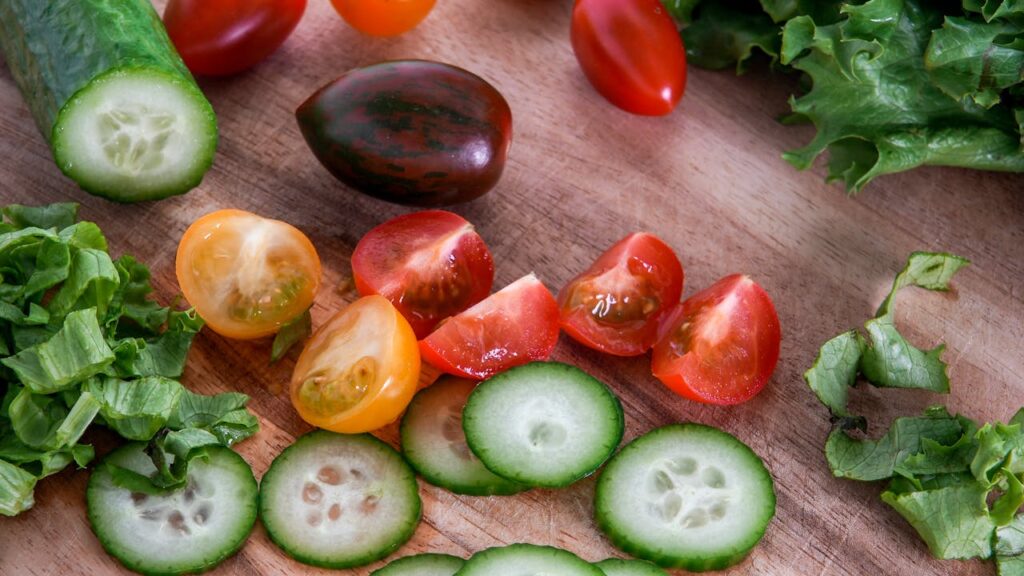
Nutritional Benefits of Cucumbers for Dogs
Cucumbers aren’t just safe; they actually offer a range of health benefits for your canine companion.
1. Low in Calories
One of the biggest advantages of cucumbers is their extremely low calorie count. A half-cup of cucumber slices contains only about 8 calories, compared to the 40 calories found in a typical commercial dog treat. This makes cucumbers an excellent snack for:
- Dogs on a weight management plan
- Overweight or obese dogs
- Dogs with metabolic conditions that require calorie restriction
2. High Water Content
Cucumbers are composed of approximately 96% water, making them a hydrating snack — especially useful during hot summer months or after exercise. While cucumbers should never replace fresh drinking water, they can contribute to your dog’s overall hydration.
3. Rich in Vitamins and Minerals
Cucumbers contain several micronutrients that support canine health:
- Vitamin K — Supports healthy blood clotting and bone metabolism
- Vitamin C — An antioxidant that supports immune function
- Vitamin B1 (Thiamine) — Essential for energy metabolism and neurological function
- Potassium — Supports heart health, muscle function, and fluid balance
- Magnesium — Plays a role in nerve and muscle function
- Molybdenum — A trace mineral involved in enzyme function
- Biotin — Supports healthy skin, coat, and metabolism
4. Low in Fat and Sodium
Cucumbers are virtually fat-free and contain very low levels of sodium, making them heart-friendly and suitable for dogs with certain dietary restrictions.
5. Antioxidant Properties
Cucumbers contain antioxidants, including flavonoids and tannins, which help combat oxidative stress in the body — a factor linked to aging and chronic disease in both humans and dogs.
Can Puppies Eat Cucumbers?
Yes, puppies can eat cucumbers, but extra caution is warranted. Puppies have smaller bodies and more sensitive digestive systems. Always:
- Cut the cucumber into very small, manageable pieces
- Introduce it gradually to watch for digestive upset
- Avoid giving large quantities, as it could cause loose stools
If your puppy has never eaten a cucumber before, offer a tiny piece first and monitor for any reaction over 24 hours.
How Much Cucumber Can You Give a Dog?
Veterinary nutritionists recommend following the 10% rule: treats and extras — including vegetables — should make up no more than 10% of your dog’s total daily caloric intake.
Here’s a general guideline by dog size:
| Dog Size | Approximate Weight | Suggested Serving |
| Extra Small | Under 10 lbs | 1–2 thin slices |
| Small | 10–25 lbs | 2–4 slices |
| Medium | 25–60 lbs | A small handful of slices |
| Large | 60–100 lbs | Up to half a cup of slices |
| Extra Large | Over 100 lbs | Up to one cup of slices |
These are starting guidelines. Always consider your dog’s individual health, weight, and dietary needs. When in doubt, ask your veterinarian.
How to Safely Prepare Cucumbers for Dogs
Preparation matters just as much as portion size. Follow these steps to serve cucumbers safely:
Wash Thoroughly
Always rinse cucumbers under running water before serving. Commercially grown cucumbers are often coated with wax and may carry pesticide residue on their skin. Opt for organic cucumbers when possible.
To Peel or Not to Peel?
The cucumber skin is safe for most dogs, but it can be harder to digest and may cause mild gastrointestinal upset in sensitive dogs. If your dog has a sensitive stomach, peeling the cucumber before serving is a good precaution.
Remove the Seeds
Cucumber seeds are not toxic, but they can be difficult to digest for some dogs, particularly smaller breeds. Scooping out the seeds is an optional but thoughtful step.
Cut Into Appropriate Pieces
Always slice cucumbers into bite-sized pieces appropriate for your dog’s size. Large chunks can be a choking hazard, particularly for small dogs or dogs that tend to gulp their food without chewing.
Never Add Seasonings
Plain cucumber is ideal. Avoid cucumber preparations that include:
- Salt — Can lead to sodium ion poisoning in large amounts
- Garlic or onion — Toxic to dogs
- Vinegar — Can cause digestive upset
- Dips like ranch or hummus — High in fat, salt, and potentially toxic ingredients (hummus often contains garlic)
Potential Risks of Feeding Cucumbers to Dogs
While cucumbers are generally safe, there are a few risks to be aware of:
Choking Hazard
Large pieces of cucumber can be a choking hazard, especially for small dogs, senior dogs with dental issues, or dogs that eat too quickly. Always cut the cucumber into appropriately sized portions.
Digestive Upset
Introducing any new food too quickly can cause gastrointestinal issues, including:
- Diarrhea
- Gas or bloating
- Vomiting
If your dog shows any of these signs after eating a cucumber, discontinue feeding it and consult your vet.
Overfeeding
Even though cucumbers are low in calories, overfeeding on any single food can cause digestive imbalance. Too much cucumber at once may cause loose stools due to its high water content.
Pesticide Exposure
Non-organic cucumbers may carry pesticide residues. Washing thoroughly and peeling the skin reduces this risk significantly.
Signs Your Dog Ate Too Much Cucumber
If your dog got into a large amount of cucumber, watch for these signs:
- Loose stools or diarrhea
- Excessive gas or bloating
- Vomiting
- Lethargy (in rare cases)
Most cases of cucumber overconsumption result in mild, temporary digestive upset that resolves on its own. However, if symptoms are severe or persist beyond 24 hours, contact your veterinarian.

Comparing Cucumbers to Other Dog-Friendly Vegetables
- Cucumbers vs Carrots: Carrots provide more vitamins and beta-carotene, while cucumbers offer better hydration and fewer calories.
- Cucumbers vs Green Beans: Green beans contain more protein and fiber, but cucumbers provide a refreshing, water-rich snack.
- Cucumbers vs Celery: Both are low-calorie vegetables, but cucumbers tend to be easier for many dogs to chew and digest.
What Veterinarians Say About Cucumbers for Dogs
Veterinary professionals generally agree that cucumbers are a healthy, low-risk treat for dogs. They are frequently recommended as an alternative to high-calorie commercial treats for dogs that need to lose weight. The American Kennel Club (AKC) lists cucumbers among the vegetables that are safe for canine consumption.
As with any dietary addition, the key recommendations from vets are:
- Introduce slowly and in small amounts
- Always serve plain and unseasoned
- Follow the 10% treat rule
- Monitor for any adverse reactions
- Consult your vet if your dog has existing health conditions
Conclusion
Cucumbers are a safe, healthy, and low-calorie treat for most dogs when served properly. Their high water content supports hydration, while vitamins and antioxidants contribute to overall wellness. Always introduce cucumbers gradually, serve them plain, and follow appropriate portion sizes. Consult your veterinarian if concerns arise about your dog’s diet.


One thought on “Are Cucumbers Good for Dogs? Complete Guide”
Comments are closed.