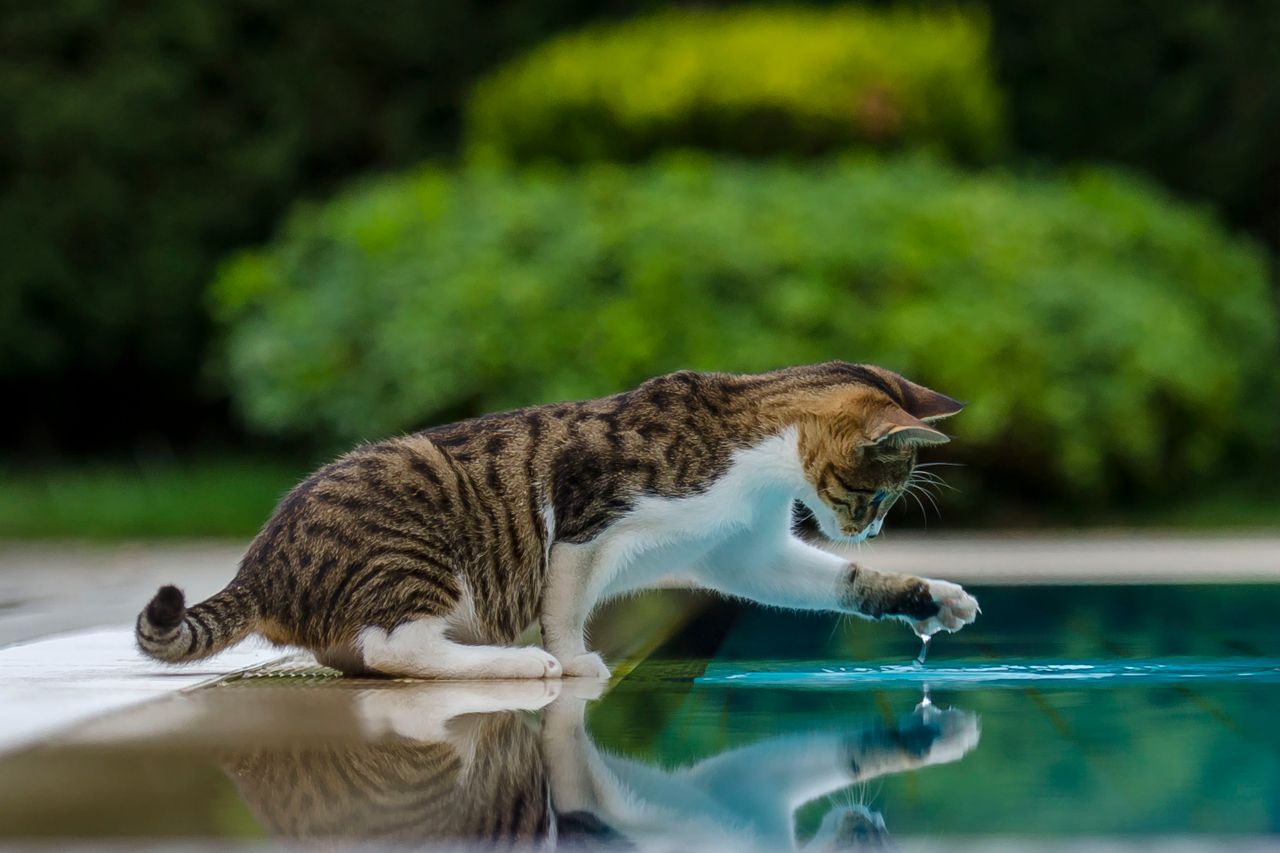

Can you train a cat? Learn easy step-by-step cat training methods, tips, tools, and techniques to improve behavior using rewards, patience, and consistency.
Introduction to Cat Training
Cat training is the process of teaching cats simple behaviors, commands, and routines using patience and positive reinforcement. Unlike common belief, cats are intelligent and capable of learning. Training helps improve behavior, reduce problems like scratching or biting, and strengthen the bond between cat and owner through trust, communication, and consistent practice over time.

Why Cats Are Seen as Independent
Cats often act alone in the wild. They do not rely on pack behavior like dogs. This independence makes them appear less responsive to commands. However, independence does not mean they cannot learn. It only means their motivation is different.
Can You Train a Cat?
Yes, you can train a cat. Cats are intelligent animals that learn through repetition, reward, and experience. While they are more independent than dogs, they still respond well to positive reinforcement such as treats, toys, and praise.
With patience and consistency, cats can learn basic commands, litter habits, and even tricks. The key is understanding their behavior and using motivation instead of punishment to guide learning effectively.
Step-by-Step Cat Training Method
Step 1: Choose a Quiet Place
Choose a calm and quiet place without noise or distractions. This helps the cat focus better on training and understand commands more clearly without feeling stressed or confused.
Step 2: Keep Sessions Short
Keep training sessions very short, around 5–10 minutes only. Cats lose interest quickly, so short sessions help maintain attention, reduce boredom, and improve learning results over time effectively.
Step 3: Use One Command at a Time
Teach only one command at a time to avoid confusion. Focus fully on a single behavior until the cat learns it properly before introducing any new command or trick.
Step 4: Reward Immediately
Always reward your cat immediately after correct behavior. Quick timing helps the cat connect action with reward, making learning faster, clearer, and more effective for long-term training success.
Step 5: Repeat Daily
Repeat training every day for the best results. Daily practice builds strong memory, improves consistency, and helps the cat learn commands faster while strengthening the bond between you and your pet.
Benefits of Cat Training
Cat training improves behavior, strengthens the bond between owner and pet, and makes daily life easier. It helps reduce unwanted habits like scratching furniture or biting.
Training also provides mental stimulation, keeps cats active, and increases confidence. Well-trained cats are easier to handle during grooming, vet visits, and travel, leading to a happier and more balanced pet overall.
What Can You Train a Cat to Do?
You can train a cat to follow simple commands, use a litter box properly, come when called, sit, stay, walk on a leash, and perform tricks like jumping through hoops or giving a high five. With patience and rewards, cats can also learn grooming, cooperation, and crate training for travel.
Tools You Can Use for Cat Training
You do not need many tools, but a few items help a lot:
Treats
Small, soft treats work best for cat training because cats respond strongly to food rewards. Choose tasty, bite-sized treats and give them immediately after correct behavior to reinforce learning and motivation.
Clicker
A clicker produces a clear sound when the cat performs the correct action. This sound marks behavior instantly, helping the cat connect action with reward and improving training accuracy and consistency.
Toys
Toys make training fun and engaging for cats. Wand toys are especially effective because they encourage movement and focus. Using toys as rewards builds positive behavior while keeping the cat active and interested.
Target Stick
A target stick guides a cat’s movement toward a specific position or direction. It helps teach tricks and commands step by step, making training easier, clearer, and more controlled for better learning results.
Things You Can Train Your Cat to Do
You can train your cat to feel comfortable traveling in a crate, respond when called, stay calm during grooming, sit on command, walk on a leash, and even jump through hoops with practice, patience, and consistent positive reinforcement techniques at home.
Why Cats Respond to Training?
Cats respond to training because they are driven by key motivations. Food acts as the strongest reward, encouraging repeated behavior. Play satisfies their hunting instincts, making learning fun. Comfort and safety also influence them, as cats repeat actions that create a secure and stress-free environment.
Factors That Affect Cat Training
1. Age
Kittens learn faster and adapt quickly to training. Older cats can still learn new behaviors, but they usually need more time, patience, and repeated practice sessions.
2. Personality
Some cats are naturally curious, social, and eager to explore new tasks. Others are more independent, cautious, or stubborn, which can make training slower and require extra patience.
3. Motivation
Each cat has different motivators that affect training success. Food-motivated cats respond best to tasty treats, while playful cats learn faster using toys, games, and interactive rewards during sessions.
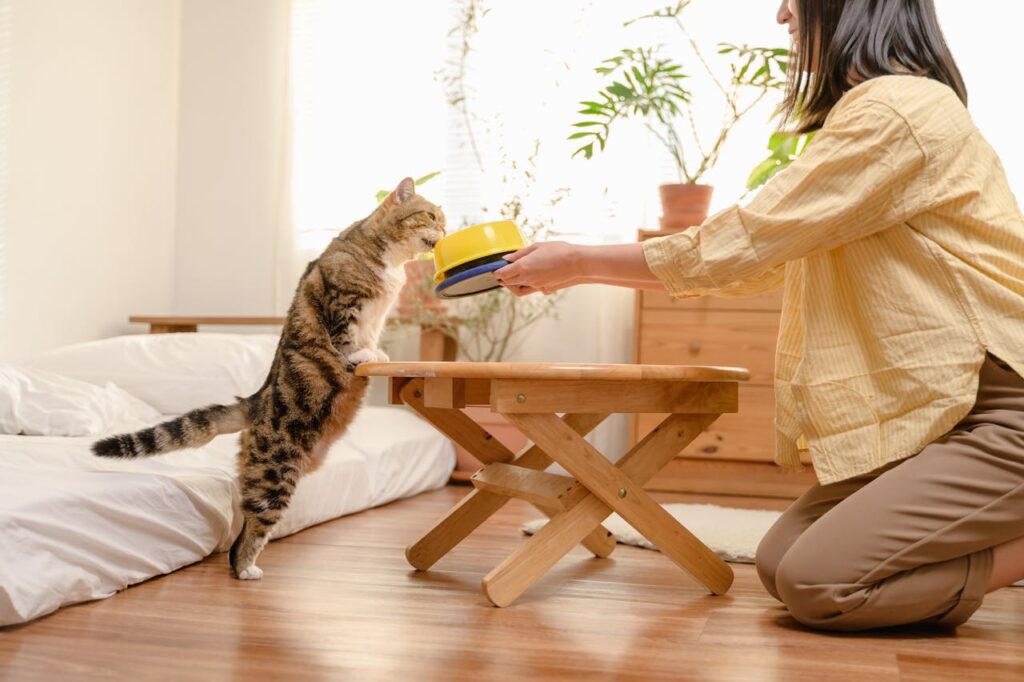
Advanced Cat Training Ideas
Once your cat masters basics, try advanced training like agility exercises, including jumping over objects and running through tunnels. Use target training for nose touches on a stick. You can also practice leash training to safely walk your cat outdoors.
Common Mistakes to Avoid
Common mistakes in cat training include using punishment instead of rewards and being inconsistent. Punishment creates fear and does not teach proper behavior. Inconsistent rules confuse cats and slow learning. Positive reinforcement and steady routines help cats understand expectations and improve behavior effectively over time.
Tips for Successful Cat Training
Successful cat training requires patience, consistency, and positive energy. Always use high-value treats to motivate your cat. Keep sessions short and enjoyable. End each training on a successful note and avoid stress or pressure to ensure better learning and cooperation.
Conclusion
Cat training is possible with patience, consistency, and positive reinforcement. Understanding your cat’s behavior is key to success. With short sessions, rewards, and regular practice, cats can learn commands, tricks, and good habits. Training also builds trust, improves behavior, and strengthens your bond with your pet.