

Learn Clicker Training for Cats, how it works, and its benefits. Discover easy training tips, behaviors, and tools to improve cat behavior and bonding.
What Is a Clicker Training for Cats?
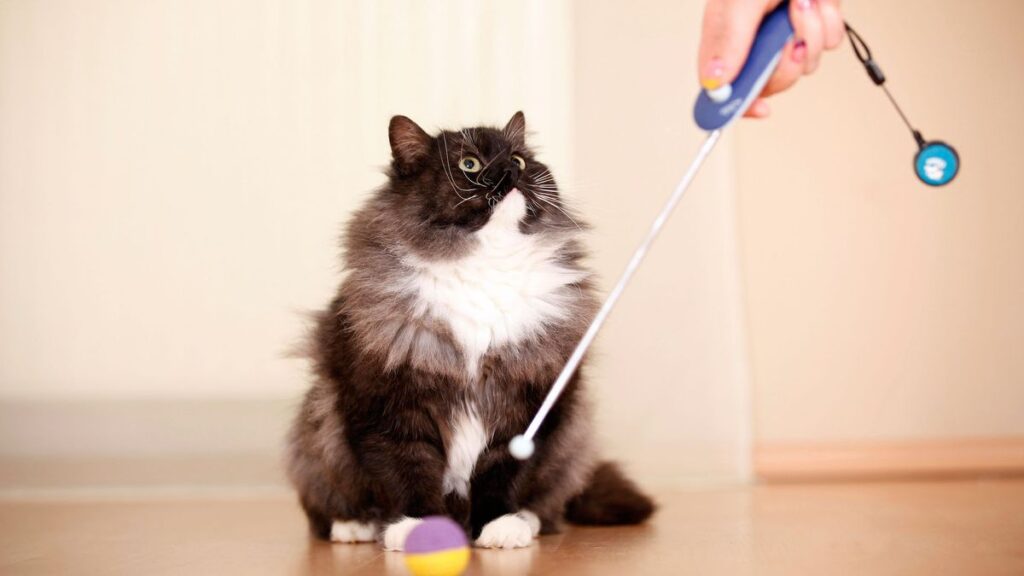
A clicker for cat training is a small handheld device that makes a clear clicking sound when pressed. It is used in positive reinforcement training to mark the exact moment a cat performs the desired behavior. After the click, a treat is given as a reward for the action. Over time, the cat learns to associate the click sound with good behavior, making training faster, clearer, and more effective for communication between cat and owner.
Why Clickers Are Used in Cat Training
Cats do not respond well to punishment or confusion. Clicker training provides clarity and consistency. It helps cats learn faster and reduces stress during training sessions.
Key benefits include:
- Clear communication between cat and owner
- Faster learning of new behaviors
- Stronger bond between cat and human
- Positive and stress-free training experience
What Behaviors Can Be Trained with a Clicker
A clicker can train cats to sit on command, come when called, use a scratching post instead of furniture, enter a carrier calmly, and perform tricks like high-five or spin. Even shy or older cats can learn with short, consistent, and patient training sessions.
How a Cat Training Clicker Works?
A clicker is a small training tool that makes a clear, consistent sound when pressed. It marks correct behavior at the exact moment it happens. The trainer clicks, then gives a reward. The cat learns to associate the click sound with positive reinforcement and repeats the behavior more often over time.
Types of Clickers for Cats
There are several types of clickers for cat training. The standard box clicker is the most common and uses a metal strip to create a sharp sound. The button clicker produces a softer tone, suitable for sensitive cats. Soft clickers make a quiet sound, ideal for shy or nervous cats during training sessions.
Benefits of Clicker Training Your Cat
Building a relationship of trust
Clicker training helps build trust between you and your cat. The cat learns that good behavior brings rewards, creating a positive bond and improving communication through clear, consistent signals every day.
Mental stimulation
Clicker training keeps your cat’s brain active and engaged. It prevents boredom, encourages problem-solving, and improves focus. Regular training sessions help your cat stay mentally sharp, happy, and more responsive overall.
You can do more things with your cat.
Clicker training allows you to teach useful skills and fun tricks. Your cat can learn commands, travel behaviors, and household manners, making daily life easier and more enjoyable together.
You can keep your cat safe.
Clicker training improves safety by teaching important commands like “come” or “stay away.” It helps control risky behavior, reduces accidents, and keeps your cat safe in different environments.
How To Clicker Train a Cat
1. Get the Right Tools
Get the Right Tools: A clicker, small treats, and a calm space are needed before training begins. These tools help your cat understand signals clearly and make learning a fast process.
2. Click on Good Behaviors
Click on Good Behaviors: Press the clicker immediately when your cat performs the desired action. Timing is important because it helps your cat connect behavior with reward clearly and quickly.
3. Give a Cue
Give a Cue: After your cat learns the behavior, add a simple word or hand signal before clicking. This helps your cat respond to commands without confusion over time.
7 Tips for Cat Clicker Training
1. Make Sure Your Cat Is Healthy
Before starting clicker training, ensure your cat is healthy. A healthy cat is more active, focused, and willing to learn new behaviors without discomfort or distraction during training sessions.
2. Choose the Right Treats
Use small, tasty treats that your cat really loves. High-value rewards help keep attention strong and motivate your cat to repeat good behavior during clicker training sessions effectively.
3. Don’t Overfeed Them Treats
Avoid giving too many treats during training. Overfeeding can lead to weight gain and reduce motivation. Use tiny portions so your cat stays healthy while still enjoying rewards.
4. Give a Treat Every Time
Always reward your cat immediately after the click. Consistent rewards help your cat understand the connection between behavior and treats, making learning faster and more reliable over time.

5. Get the Timing Right
Timing is very important in clicker training. Click at the exact moment your cat performs the correct action so they clearly understand which behavior is being rewarded.
6. It Takes Time and Patience
Cat clicker training is not instant. Practice regularly with short sessions and stay patient. Repetition helps your cat slowly understand and build strong learning habits over time.
7. It Won’t Work for Every Cat
Every cat has a different personality. Some learn quickly, while others may not respond well to clicker training. Respect your cat’s comfort and adjust methods if needed.
What Kinds of Tricks or Behaviors can You Teach a Cat?
With clicker training, you can teach cats many tricks and behaviors. They can learn to sit, come when called, or give a high-five. Cats can also use a scratching post, stay off counters, or enter a carrier. With practice, they may even learn to jump, spin, or follow simple commands easily and consistently.
Common Mistakes to Avoid
Common mistakes in clicker training include clicking too late or too early, which confuses the cat. Some owners forget to give a reward after clicking or running long sessions that cause boredom. Expecting quick results also slows progress. Proper timing and patience ensure successful training.
Can You Train Without a Clicker?
Yes, you can train a cat without a clicker. You may use a verbal marker like “yes” or a consistent sound. However, a clicker gives clearer timing and helps cats learn behaviors faster with less confusion.
Conclusion
Clicker training is a simple and effective way to teach cats good behavior using positive reinforcement. It improves communication, builds trust, and keeps training stress-free. With patience and consistency, cats learn quickly, making daily life easier and strengthening the bond between pet and owner.


2 thoughts on “Clicker Training for Cats Guide, Benefits and Tips”