Learn what vegetables can dogs eat safely, their health benefits, feeding tips, portion sizes, and vegetables to avoid for a healthy, balanced diet.
Dogs are primarily meat eaters, but they can safely enjoy many vegetables as part of a balanced diet. Fresh vegetables provide essential vitamins, minerals, antioxidants, and dietary fiber that support your dog’s overall health. However, not every vegetable is safe, and some should only be served in moderation or after proper preparation.
What Vegetables Can Dogs Eat?
1. Bell Peppers
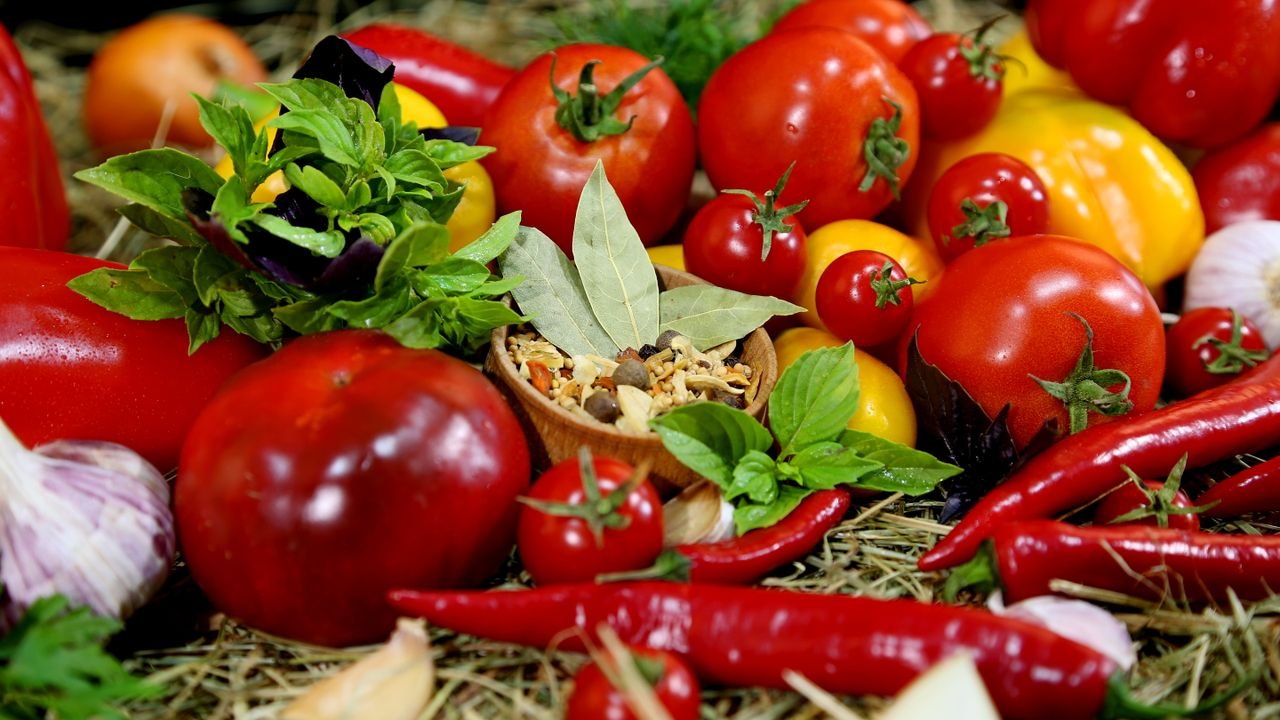
Bell peppers, especially red ones, are packed with vitamin C, vitamin A, vitamin B6, and antioxidants. They’re low in calories and have a naturally sweet, crunchy texture that many dogs enjoy.
How to serve: Remove the seeds and stem, and cut into small, bite-sized pieces. Bell peppers can be served raw or lightly cooked.
Avoid: Spicy peppers like jalapeños or chili peppers, which can upset a dog’s stomach.
2. Broccoli
Broccoli is rich in fiber, vitamin C, and vitamin K, and it’s low in fat. It can be a healthy occasional snack.
How to serve: Offer small, cooked or raw florets in tiny amounts. Broccoli contains isothiocyanates, which can cause gastrointestinal irritation in large quantities, so moderation is key.
Tip: Broccoli stalks should be cut into small pieces since they can be a choking hazard or cause intestinal blockage if swallowed whole.
3. Celery
Celery is a low-calorie, crunchy vegetable high in vitamins A, C, and K, plus folate. It’s often used as a low-calorie treat for dogs needing to manage their weight, and it can even help freshen breath.
How to serve: Chop celery into small pieces to reduce the choking risk, especially for small dogs.
4. Cabbage
Cabbage is loaded with vitamins C and K and contains antioxidants that support cellular health. It also has some anti-inflammatory properties.
How to serve: Serve cooked or finely shredded raw cabbage in small amounts. Too much cabbage can cause gas or bloating, and it may affect thyroid function in large quantities, so keep portions modest.
5. Carrots
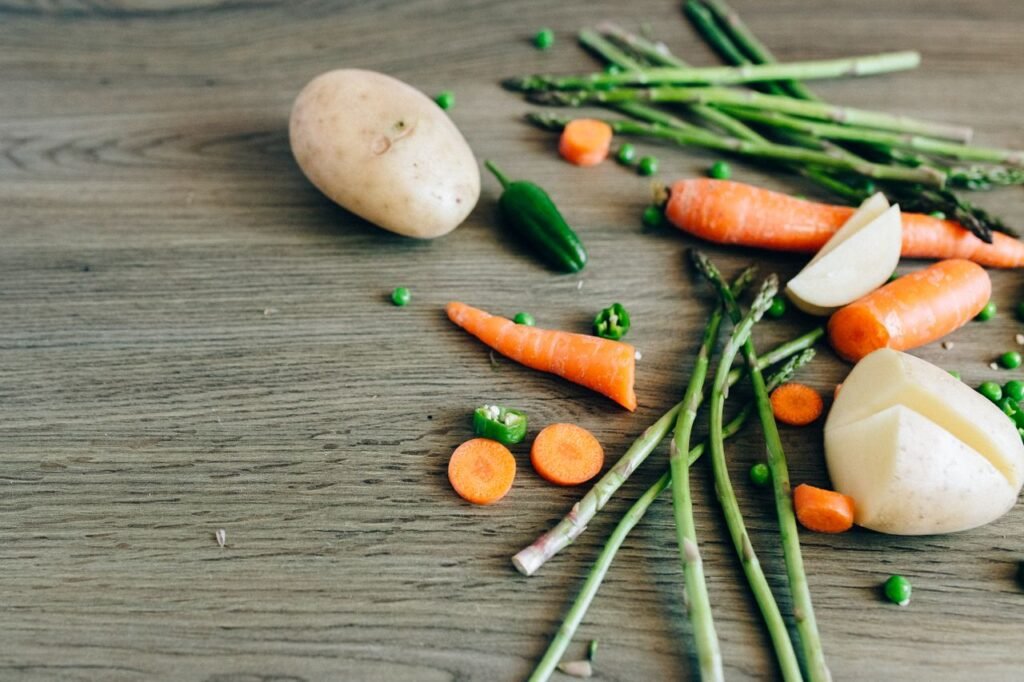
Carrots are one of the most popular and dog-friendly vegetables. They’re low in calories, high in fiber, and rich in beta-carotene (vitamin A), which supports eye health and immune function. Crunching on raw carrots can also help clean a dog’s teeth.
How to serve: Raw or cooked, sliced into sticks or coins. Baby carrots are a convenient, pre-portioned option.
6. Asparagus
Asparagus contains vitamins A, C, E, and K, along with fiber and folate. While it’s not toxic to dogs, raw asparagus is tough and fibrous, making it hard to chew and digest.
How to serve: Lightly steam or cook asparagus until tender, then cut into small pieces before serving.
7. Zucchini
Zucchini is low in calories and a good source of potassium, vitamin C, and antioxidants. It’s gentle on the digestive system and a great option for dogs on a weight-management plan.
How to serve: Slice into thin rounds or small cubes, and serve raw or steamed without added salt, butter, or seasoning.
8. Cauliflower
Cauliflower offers fiber, vitamin C, and antioxidants, and it’s low in calories. Like broccoli, it belongs to the cruciferous vegetable family.
How to serve: Serve small amounts of raw or steamed cauliflower florets. Excess consumption can cause gas, so introduce it slowly.
9. Beans
Plain green beans are one of the most recommended vegetables for dogs. They’re high in fiber, protein, and vitamins, and low in calories, making them popular for dogs on weight-loss diets.
How to serve: Fresh, steamed, or canned (with no added salt) green beans work well, chopped or whole, for larger dogs.
Avoid: Canned beans with added seasoning, salt, or sauces, and avoid raw kidney beans, which contain a toxin that’s harmful unless properly cooked.
10. Potatoes
Potatoes can be fed to dogs, but only when fully cooked. Raw potatoes contain solanine, a compound that can be toxic to dogs, especially in the skins and any green-tinged flesh. Cooking neutralizes most of the solanine.
How to serve: Plain, boiled, or baked potatoes without butter, salt, or seasoning. Skip the skin and any green spots.
Avoid: French fries, chips, or potatoes cooked in oil, salt, or spices.
11. Spinach
Spinach contains vitamins A, B, C, and K, along with iron and antioxidants. It should only be given in small amounts because it contains oxalates, which can interfere with the body’s ability to absorb calcium and may contribute to kidney problems if fed in excess.
How to serve: Small amounts of cooked or raw spinach, offered occasionally rather than as a regular staple.
12. Kale
Kale is a nutrient-dense leafy green with vitamins A, C, and K. However, like spinach, it contains oxalates and, in higher amounts, compounds that can affect thyroid function.
How to serve: Feed only in small, occasional amounts, finely chopped or lightly steamed.
13. Pumpkin
Pumpkin is a well-known digestive aid for dogs. It’s rich in fiber, beta-carotene, and vitamin A, and is often recommended to help firm up loose stools or relieve mild constipation.
How to serve: Plain, cooked, or canned pumpkin puree (not pumpkin pie filling, which contains added sugar and spices) in small spoonfuls mixed into food.
14. Beets
Beets provide fiber, folate, manganese, and potassium. They can be fed to dogs in moderation, though their natural sugar content means they shouldn’t be a daily staple.
How to serve: Cooked and plain, cut into small pieces. Note that beets can temporarily change the color of your dog’s urine or stool, which is harmless but can be surprising.
15. Cucumbers
Cucumbers are mostly water, making them a hydrating, low-calorie snack that’s great for dogs watching their weight. They contain vitamin K and small amounts of other nutrients.
How to serve: Sliced into thin rounds or small chunks, served raw with the skin on or peeled.
16. Peas
Peas — including green peas, snow peas, and sugar snap peas — are a good source of vitamins A, B, and K, along with fiber and protein.
How to serve: Fresh or frozen peas (thawed) work well, plain and without added salt. Canned peas often contain added sodium and should be avoided or rinsed thoroughly first.
Benefits of Vegetables for Dogs
Adding dog-safe vegetables to your pet’s diet can offer a range of health benefits when done correctly:
- Rich source of vitamins and minerals: Vegetables like carrots, bell peppers, and broccoli provide vitamins A, C, and K, along with minerals like potassium and folate that support immune function, vision, and healthy skin and coat.
- High fiber content: Vegetables such as green beans, pumpkin, and peas support healthy digestion, help regulate bowel movements, and can assist in managing constipation or mild diarrhea.
- Low-calorie treat alternatives: Crunchy vegetables like cucumbers, celery, and zucchini make excellent low-calorie snacks for dogs that are overweight or need portion control, without sacrificing the enjoyment of treat time.
- Antioxidant support: Many vegetables contain antioxidants that help combat free radicals in the body, potentially supporting long-term cellular health and slowing signs of aging.
- Hydration: Water-rich vegetables like cucumbers and zucchini can contribute to a dog’s daily hydration, especially in warmer months.
- Dental benefits: Crunchy raw vegetables like carrots and celery can help mechanically remove plaque as dogs chew, contributing to better dental health.
- Weight management: Because most vegetables are low in calories and fat compared to traditional treats, they can help dogs maintain a healthy weight without feeling deprived.
- Variety and enrichment: Introducing different textures and flavors can make mealtime more interesting for dogs and provide mental stimulation, particularly when used in puzzle feeders or as training rewards.
How Much Vegetables Can Dogs Eat?
Portion size depends on your dog’s size.
| Dog Size | Suggested Daily Vegetable Amount |
| Small dogs | 1–2 tablespoons |
| Medium dogs | 2–4 tablespoons |
| Large dogs | ¼–½ cup |
Vegetables should remain a supplement rather than replacing a balanced dog food.
General Guidelines for Feeding Vegetables to Dogs
- Introduce slowly: Add new vegetables one at a time in small amounts to watch for any digestive upset or allergic reaction.
- Cook when needed: Some vegetables, like potatoes and asparagus, are easier to digest and safer when cooked rather than raw.
- Avoid seasoning: Never add salt, butter, oil, garlic, onion, or spices, as these can be harmful or toxic to dogs.
- Cut into appropriate sizes: Always chop vegetables into pieces suited to your dog’s size to prevent choking hazards.
- Moderation matters: Vegetables should make up no more than about 10% of a dog’s daily caloric intake, with the rest coming from a balanced, complete dog food.
- Watch for toxic vegetables: Onions, garlic, leeks, chives, and mushrooms (wild varieties) should always be avoided, as they can be toxic to dogs.
Conclusion
Vegetables can be a healthy addition to your dog’s balanced diet when served safely and in moderation. Options like carrots, pumpkin, cucumbers, and green beans provide valuable nutrients, fiber, and antioxidants. Always prepare vegetables properly, avoid toxic varieties, introduce new foods gradually, and consult your veterinarian for personalized dietary guidance.