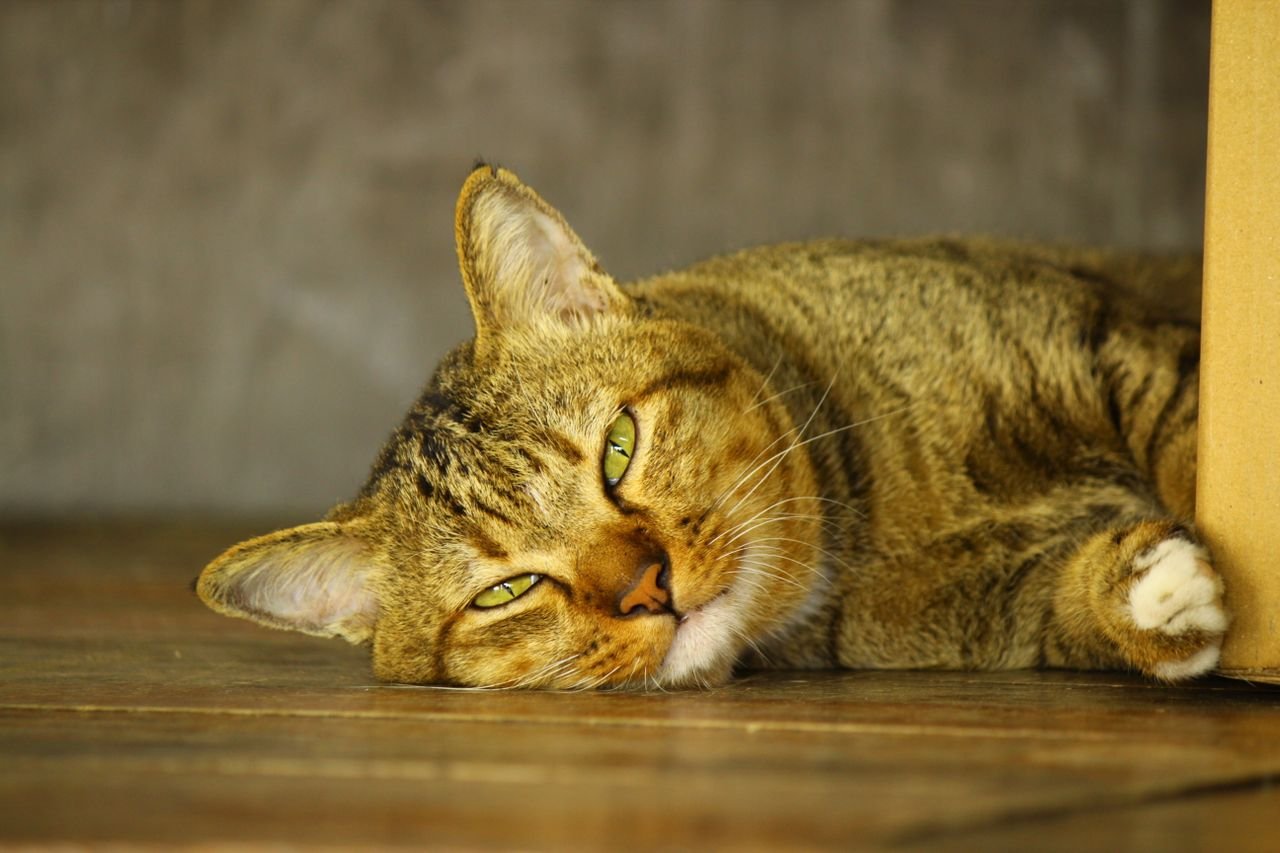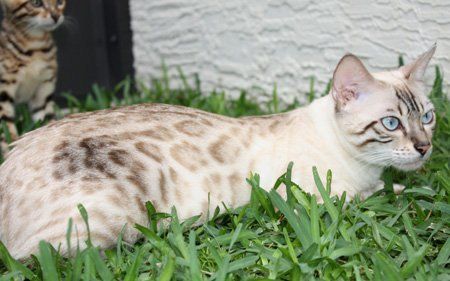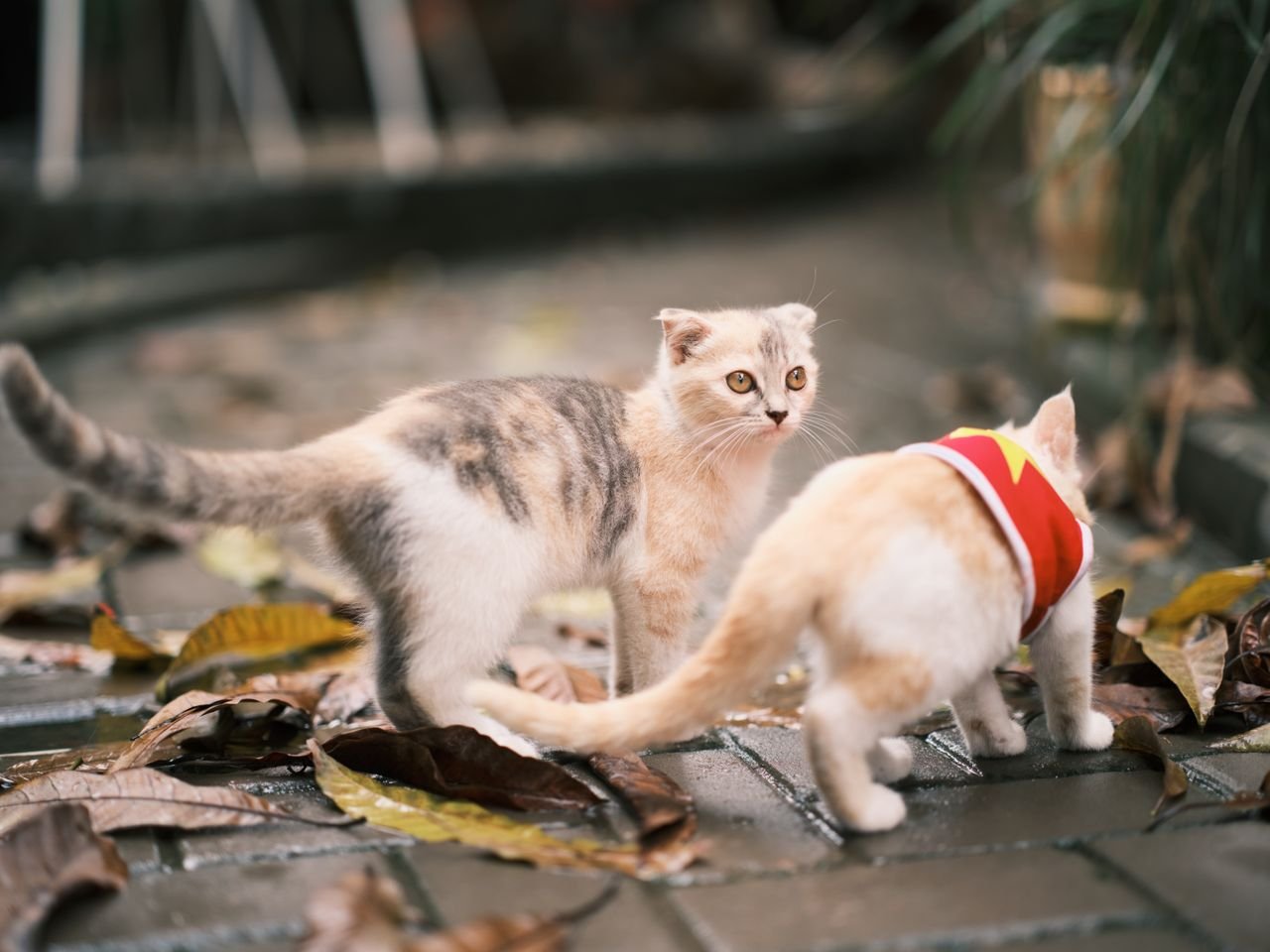
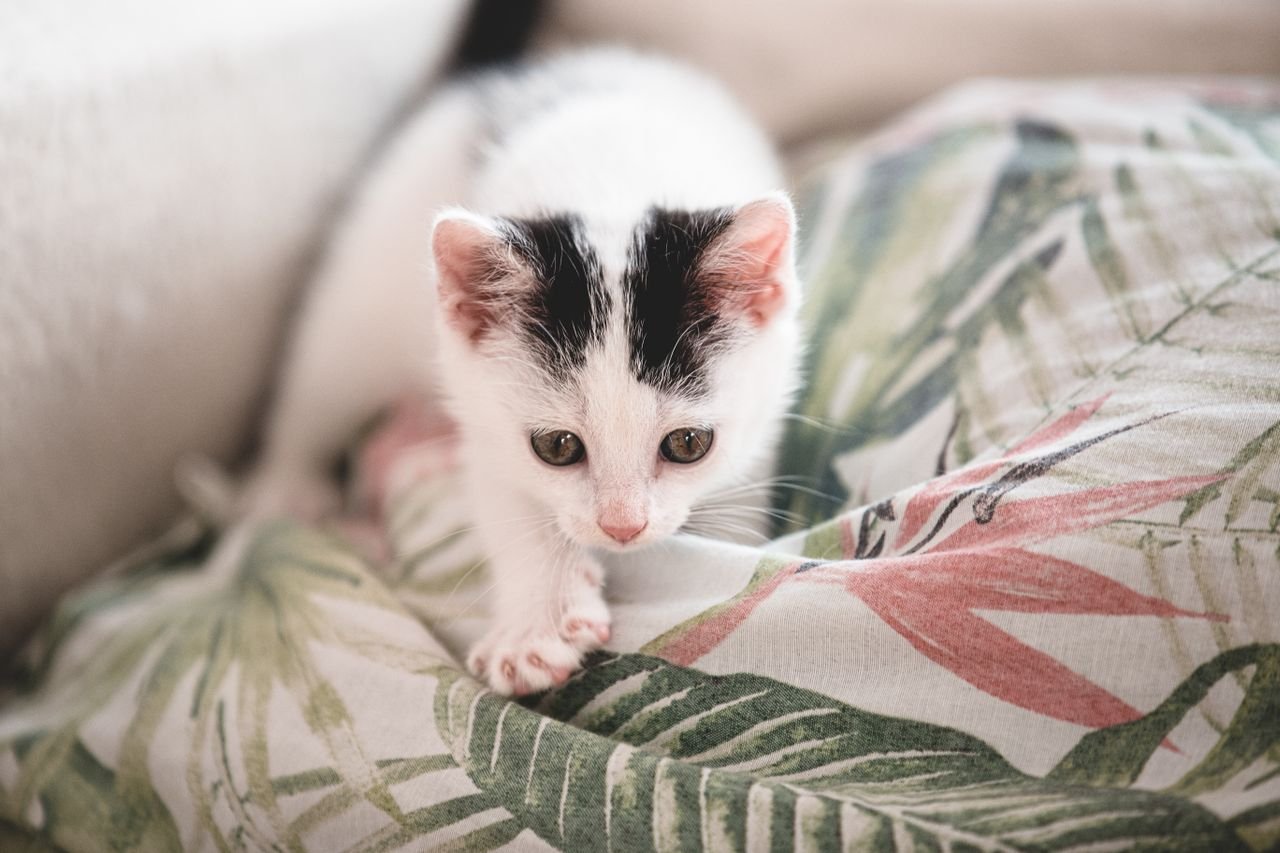
Learn why cats knead, what it means, common reasons, myths, and when to worry. Discover the science behind this adorable feline behavior today.
What Is Cat Kneading?
Kneading is the repetitive motion cats make by pushing their front paws in and out against a soft surface, alternating left and right paws. It often comes with:
- Purring or soft chirping sounds
- Half-closed, relaxed eyes
- Circling before settling down
- Occasional drooling
- Claws extending slightly with each push
Cats may knead blankets, cushions, stuffed animals, other pets, or their favorite human. Most cats develop this habit as kittens and carry it into adulthood, though the intensity and frequency vary from cat to cat.
Why Do Cats Knead?
Five reasons cats knead
1. It’s Behavior from When They Were a Kitten
Cats begin kneading as newborn kittens while nursing from their mother. Pressing their paws helps stimulate milk flow, creating a strong association with comfort, warmth, safety, and care. Many adult cats continue this instinctive behavior throughout their lives.
2. It’s Primal, Bed-Making Behavior
Wild cats knead grass, leaves, or soft ground before lying down to create a comfortable resting place. Domestic cats have retained this instinct, often kneading blankets, beds, or cushions before relaxing or falling asleep.
3. A Nicer Way to Mark Territory
Cats have scent glands in their paw pads that release subtle pheromones during kneading. By pressing their paws on blankets, furniture, or even people, they leave their scent behind, marking favorite places and trusted companions.
4. Kneading Aka Needy
When cats knead their owners, they are often seeking attention, affection, or reassurance. This behavior usually shows they feel emotionally secure, trust you deeply, and enjoy spending quiet, relaxing moments close to you.
5. It Might Mean Heat
Female cats in heat may knead more frequently because hormonal changes increase affectionate and attention-seeking behaviors. If kneading is accompanied by loud vocalization, rolling, or increased friendliness, it could be a sign of an active heat cycle.
Why Does My Cat Knead and Then Bite or Lick?
It’s common for kneading to be followed by licking, gentle nibbling, or even suckling on blankets or fingers. This combination usually points back to the nursing instinct — the cat is re-enacting comfort behaviors from kittenhood. It’s generally harmless, though owners with sensitive skin may want to redirect the behavior with a soft toy.
Why Do Cats Knead Before Lying Down?
This is the nesting instinct at work. Kneading softens and shapes the surface, making it more comfortable before the cat curls up to rest. You’ll often see this paired with circling, another leftover instinct from wild ancestors preparing a safe sleeping spot.
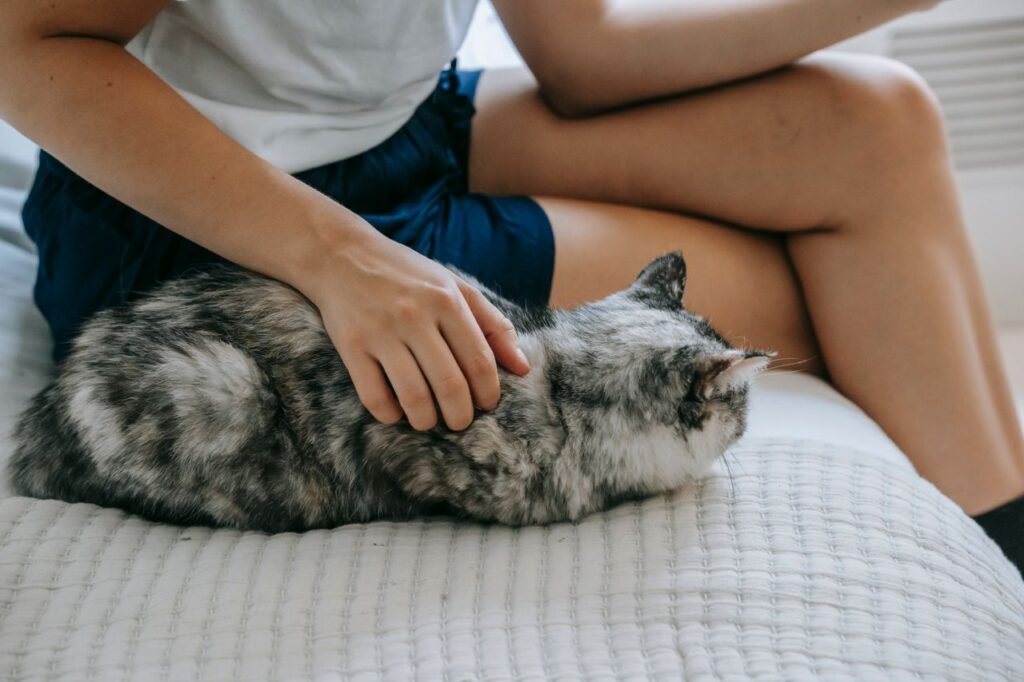
Do All Cats Knead With Their Claws Out?
Not necessarily. Some cats knead with claws fully retracted, while others extend them slightly, especially on soft surfaces like blankets. If kneading on your lap becomes uncomfortable, placing a thick blanket between you and your cat is a simple, cat-friendly solution.
Should You Discourage Kneading?
In most cases, no. Kneading is a natural, healthy behavior tied to comfort and trust. Discouraging it isn’t necessary unless the claws are causing discomfort or damaging furniture, in which case regular nail trims, soft nail caps, or a barrier blanket can help without stopping the behavior entirely.
Key Takeaways
- Kneading is an instinctive behavior rooted in nursing during kittenhood.
- It signals comfort, contentment, and trust in adult cats.
- Scent glands in the paws help cats mark territory while kneading.
- The behavior often appears before naps, mimicking nesting instincts in the wild.
- Kneading on a person’s lap is usually a sign of affection and bonding.
- It’s rarely a concern unless paired with other unusual symptoms.
Understanding why cats knead helps deepen the bond between you and your feline companion. Rather than a strange quirk, it’s a window into your cat’s instincts, emotions, and the sense of safety they feel in your home.
Common Myths About Cat Kneading
Myth: Cats knead because they’re hungry
Fact: Adult cats rarely knead because of hunger. Most kneading happens when they feel relaxed, secure, happy, or affectionate. It is usually an instinctive comfort behavior rather than a request for food.
Myth: Kneading means a cat is in pain
Fact: Kneading is usually a healthy, normal behavior. A cat in pain is more likely to show signs such as hiding, limping, poor appetite, excessive vocalization, or changes in activity.
Myth: Only kittens knead
Fact: Cats of all ages can continue kneading throughout their lives. Many adult and senior cats knead because it provides comfort, reduces stress, and expresses trust toward their owners.
Myth: Cats knead only blankets
Fact: Cats knead many different surfaces, including blankets, beds, pillows, furniture, toys, other pets, and even their favorite people whenever they feel safe, relaxed, and content.
FAQs
Is cat kneading normal?
Yes. Kneading is a natural feline behavior that usually indicates comfort, security, affection, and healthy emotional expression in both kittens and adult cats.
Why do cats purr while kneading?
Cats often purr while kneading because both behaviors are linked to relaxation, happiness, and feelings of safety developed during early kittenhood.
Should I stop my cat from kneading?
No. Kneading is a healthy behavior. Instead, protect your lap with a blanket, trim nails regularly, and avoid punishing your cat.
Why do female cats knead more during heat?
Unspayed female cats may knead more during heat because hormonal changes increase affectionate behaviors, scent marking, and social communication with others.
Conclusion
Understanding why cats knead helps you better appreciate your feline companion’s instincts and emotional needs. Whether they are expressing comfort, marking territory, preparing a resting place, or showing affection, kneading is usually a healthy behavior. By recognizing its meaning, you can strengthen your bond and provide a safe, comforting environment for your cat.