Learn the signs of a cat in pain, common causes, symptoms, and when to see a vet. Spot early warning signs to protect your cat’s health and well-being.
Cat pain refers to physical discomfort caused by injury, illness, surgery, arthritis, dental disease, or other medical conditions. Because cats naturally hide pain, signs may include reduced activity, hiding, poor appetite, limping, excessive grooming, or changes in behavior. Early recognition and prompt veterinary care are essential to relieve pain, improve comfort, and support your cat’s overall health.
10 Signs of a Cat in Pain
1. Changes in Behavior
A cat in pain may suddenly hide, avoid family members, become less playful, or show aggression when touched. Even a normally friendly cat may appear withdrawn, irritable, or reluctant to interact because discomfort affects its mood and daily activities.
2. Changes in Eating and Drinking Habits
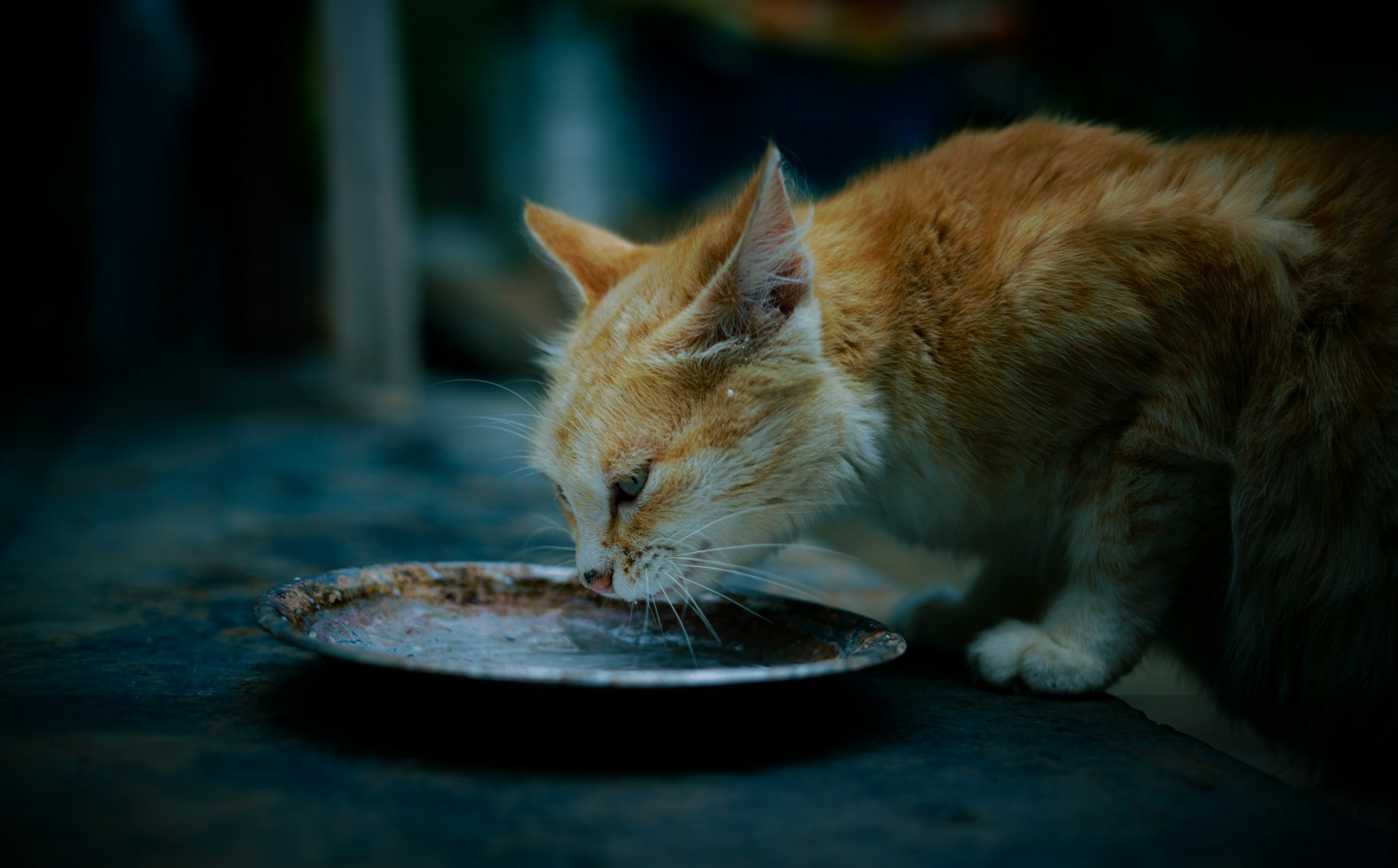
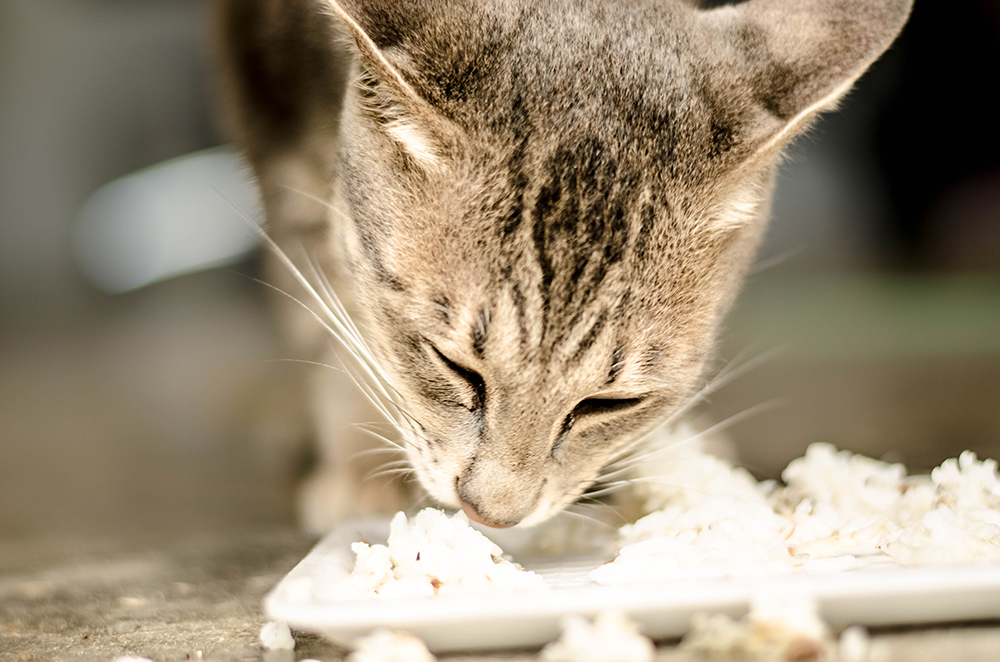
Pain can reduce your cat’s appetite or make eating and drinking uncomfortable. You may notice your cat eating less, dropping food, chewing slowly, drinking less water, or losing weight over time due to an underlying health problem.
3. Altered Grooming Patterns
Cats experiencing pain may stop grooming, resulting in a dirty, matted, or greasy coat. Others may excessively lick or chew one painful area, causing hair loss, bald patches, skin irritation, or sores that require veterinary attention.
4. Vocalizing More than Usual
A painful cat may meow, growl, hiss, yowl, or cry more frequently than normal. Increased vocalization often occurs when moving, being touched, using the litter box, or experiencing discomfort from illness, injury, or chronic pain.
5. Changes in Litter Box Habits
Pain can cause a cat to avoid the litter box or struggle while urinating or defecating. Frequent accidents, constipation, straining, or urinating outside the box may signal arthritis, urinary disease, or another painful medical condition.
6. Difficulty with Movement
Cats in pain often hesitate to jump, climb stairs, or run. Limping, stiffness, slow walking, difficulty standing, or reluctance to play may indicate arthritis, muscle injuries, joint problems, or other conditions affecting mobility.
7. Altered Sleeping Patterns
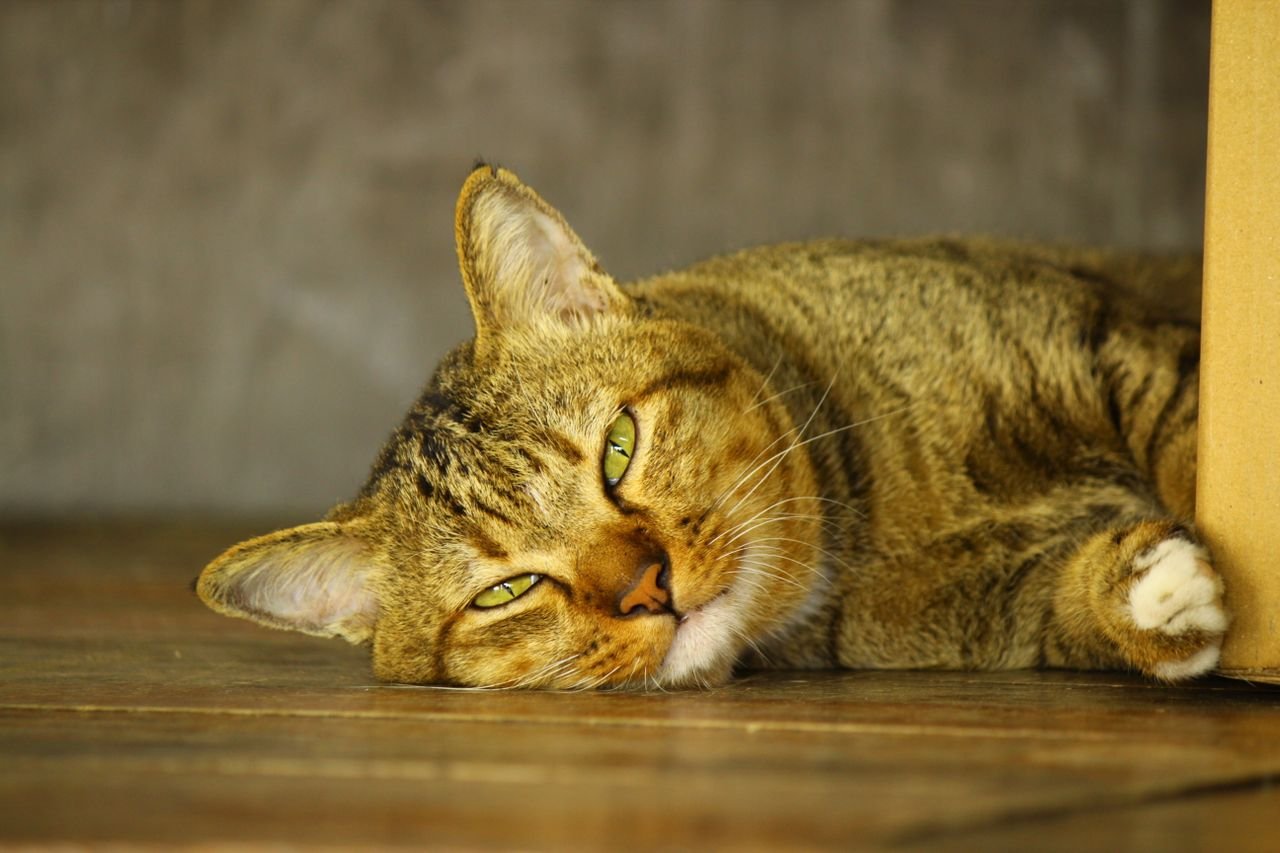
A painful cat may sleep much more than usual or struggle to find a comfortable resting position. Some cats become restless, frequently change sleeping spots, or avoid their favorite resting places because movement causes discomfort.
8. Changes in Eye Appearance
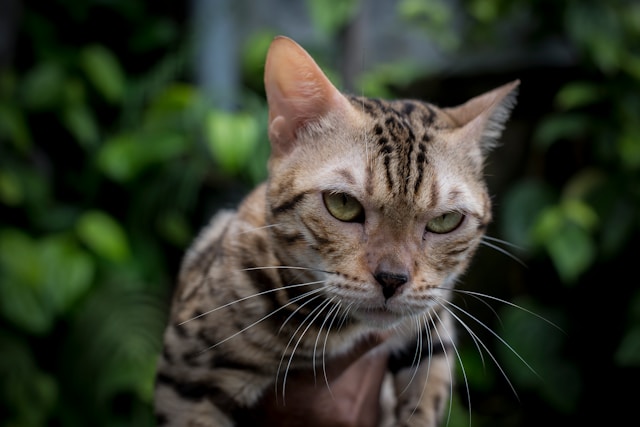
Pain may cause your cat’s eyes to appear partially closed, watery, or unusually wide with dilated pupils. Squinting, flattened ears, and facial tension can also indicate discomfort and should be evaluated by a veterinarian.
9. Rapid Breathing or Panting
Rapid breathing or panting without recent exercise can be a warning sign of severe pain or illness. If your cat breathes with an open mouth, struggles to breathe, or pants continuously, seek emergency veterinary care immediately.
10. Alterations in Body Posture
Cats experiencing pain often sit with a hunched back, lowered head, tucked tail, or tense muscles. They may avoid stretching, curl tightly, or stand in unusual positions to reduce pressure on painful areas of the body.
Types of Pain in Cats
Acute Pain
Acute pain develops suddenly due to an injury, surgery, burn, infection, or illness. It is usually short-term and often improves once the underlying cause is treated with appropriate veterinary care.
Chronic Pain
Chronic pain lasts for weeks, months, or even years and is commonly linked to arthritis, dental disease, cancer, or long-term medical conditions. Cats may show subtle signs like reduced activity, stiffness, hiding, or changes in behavior.
Why Cats Hide Their Pain
Survival Instincts at Work
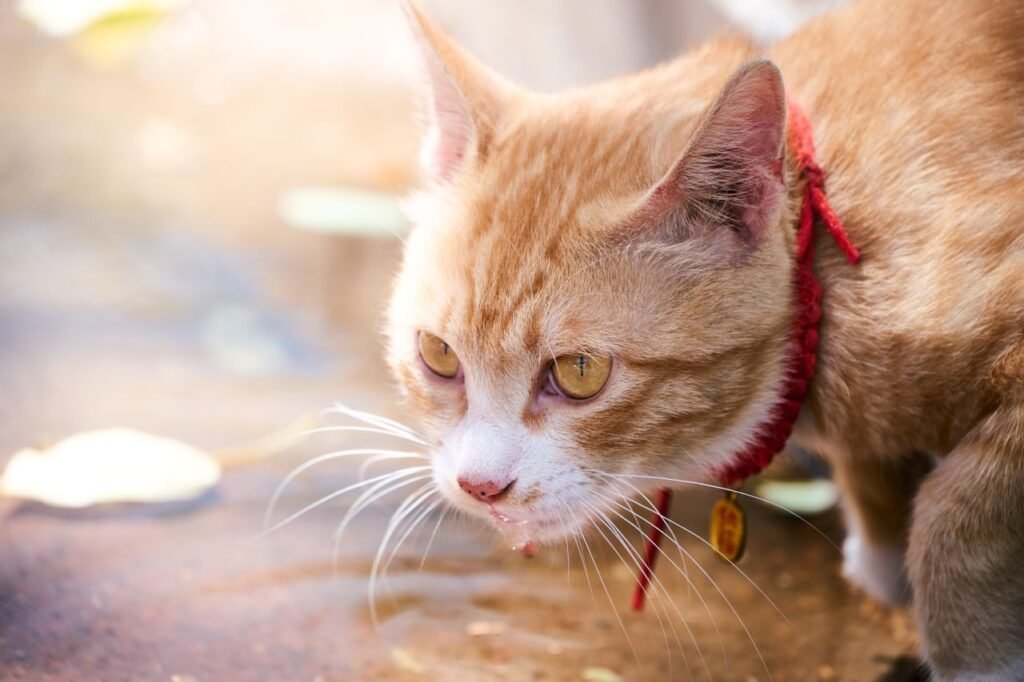
Cats naturally hide pain because, in the wild, showing weakness could make them an easy target for predators or rivals. This instinct remains in domestic cats, causing them to conceal illness or injury until the pain becomes severe or significantly affects their daily behavior.
Pain Isn’t Always Dramatic
Unlike humans or dogs, cats often show subtle signs instead of obvious crying or limping. They may simply sleep more, hide, groom less, avoid jumping, or become less social. Even minor behavioral changes can indicate pain and should never be ignored.
Common Causes of Pain in Cats
Arthritis
Arthritis causes inflammation and stiffness in the joints, especially in older cats. Affected cats may struggle to jump, climb stairs, groom properly, or move comfortably during everyday activities.
Dental Disease
Dental disease, including gum infections and tooth decay, can cause severe mouth pain. Cats may drool, avoid hard food, have bad breath, paw at their mouth, or eat less.
Injuries or Soft Tissue Trauma
Falls, bites, sprains, cuts, and muscle strains can lead to acute pain. Injured cats may limp, hide, resist handling, or avoid putting weight on the affected limb.
Urinary Tract Issues
Urinary tract infections, bladder stones, or blockages cause painful urination. Cats may strain in the litter box, pass blood in urine, vocalize, or urinate outside the box.
Pancreatitis or Gastrointestinal Problems
Pancreatitis and digestive disorders can cause abdominal pain, vomiting, diarrhea, poor appetite, and lethargy. Prompt veterinary treatment is essential to prevent dehydration and serious health complications.
Cancer or Tumors
Cancer and tumors may cause persistent pain depending on their size and location. Cats often experience weight loss, decreased appetite, reduced activity, swelling, or noticeable behavioral changes as the disease progresses.
FAQs
Do cats purr when they are in pain?
Yes. Although purring often reflects contentment, some cats also purr when they are stressed, frightened, or experiencing pain as a self-soothing behavior.
Can cats hide pain for a long time?
Yes. Cats instinctively conceal discomfort, which is why subtle changes in behavior, appetite, or movement are important warning signs.
Can older cats develop chronic pain?
Yes. Arthritis, dental disease, kidney disease, and other age-related conditions commonly cause chronic pain in senior cats.
Conclusion
Cats are skilled at hiding discomfort, making early recognition of pain essential for protecting their health. Changes in behavior, appetite, grooming, movement, or litter box habits should never be ignored. Prompt veterinary care can identify the underlying cause, relieve pain, improve recovery, and help your cat enjoy a healthier, happier, and more comfortable life.