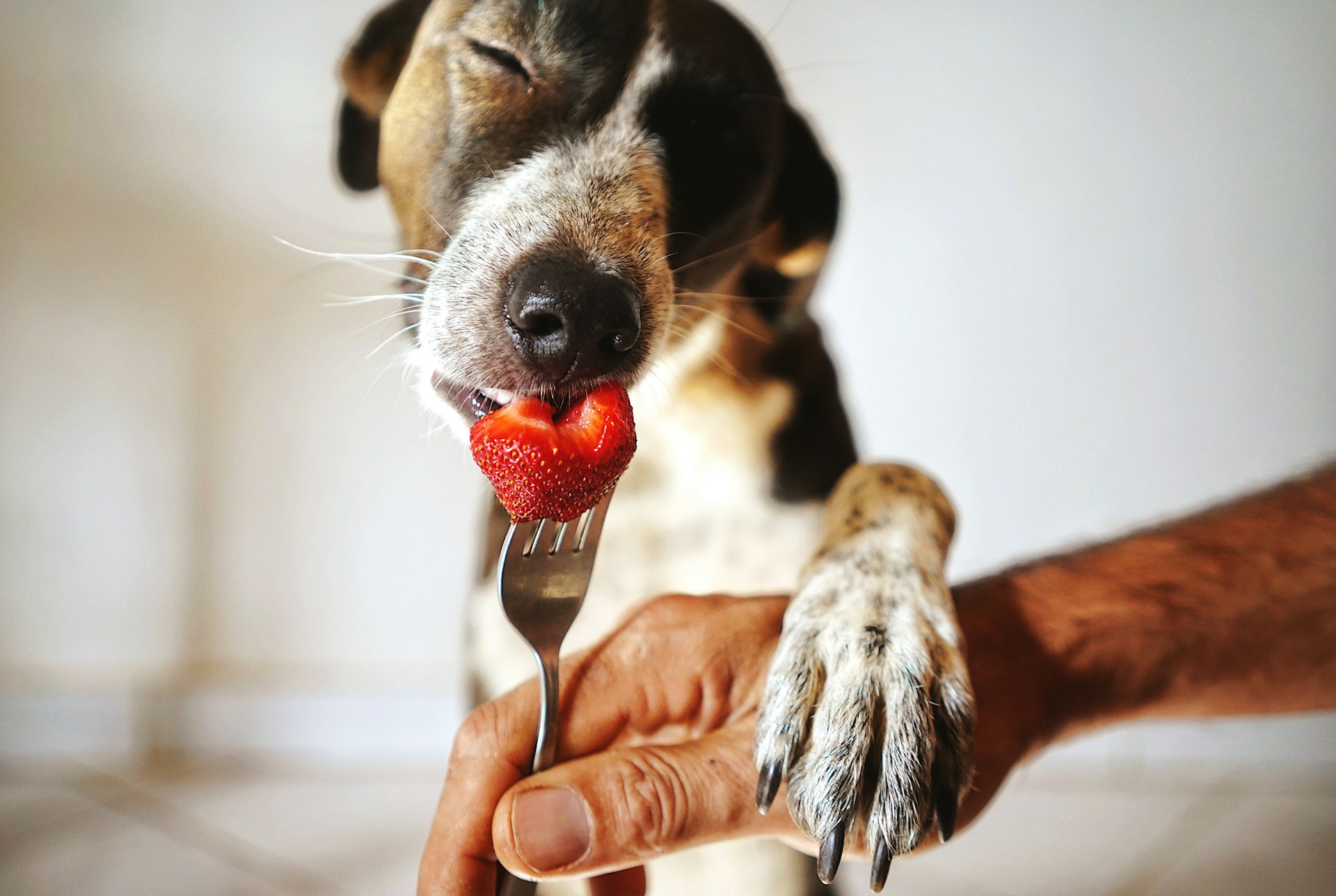

Can dogs eat blueberries? Learn safety, benefits, risks, feeding tips, and serving size. A complete guide for healthy dog treats and nutrition care.
Introduction to Dogs and Fruits
Dogs are loved as family members in many homes. People always try to give them good food. Along with dog food, many pet owners also think about fruits. Fruits are natural, tasty, and full of nutrients. One fruit that often comes into question is blueberries.
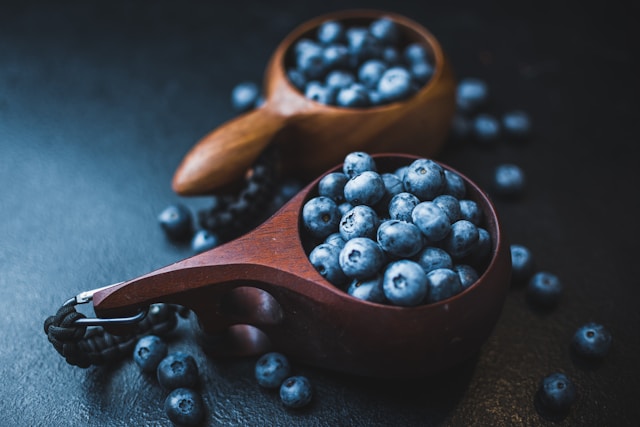
Blueberries are small, round, and blue in color. They are sweet and soft. Humans enjoy them in smoothies, desserts, and snacks. But many dog owners wonder if dogs can also eat them safely.

Nutritional Curiosity in Dog Diets
Dog diets have changed over time. Earlier, dogs mostly ate meat scraps. Now, many dogs eat balanced food with grains, vegetables, and fruits.
This change brings more questions about fruits like blueberries. Owners want to know what nutrients dogs can get from them.
Nutritional Value of Blueberries
Blueberries are small fruits packed with vitamins, minerals, fiber, and antioxidants. They support overall health in dogs and humans, improving immunity, digestion, energy, and general body function.
Vitamins and Minerals
Blueberries contain vitamin C, vitamin K, vitamin B6, manganese, and fiber. These nutrients help boost immunity, support blood health, improve digestion, and keep dogs active, strong, and healthy.
Antioxidants Explained
Blueberries are rich in antioxidants that protect body cells from damage. They help slow aging, improve brain health, and strengthen the immune system in dogs, supporting long-term overall wellness.
Can Dogs Eat Blueberries?
Yes, dogs can eat blueberries safely in small amounts. Blueberries provide vitamins, fiber, and antioxidants that support health and immunity. They work as a healthy, low-calorie treat. Always wash them and give them in moderation to avoid stomach upset or digestive issues in dogs.
Nutritional benefits of blueberries for dogs
1. Rich in vitamins
Blueberries contain vitamin C and vitamin K that help keep dogs healthy. Vitamin C supports immunity, while vitamin K helps with proper blood clotting and overall body strength.
2. High in antioxidants
Blueberries contain strong antioxidants that protect dog cells from damage. These nutrients help support immunity, reduce stress in the body, and keep dogs active and healthy for longer.
3. Good for digestion
Blueberries provide dietary fiber that helps improve digestion in dogs. Fiber supports smooth bowel movement, helps maintain gut health, and keeps the stomach working in a balanced and natural way.
4. Low in calories
Blueberries are low in calories, making them a healthy treat for dogs. They help manage weight while still giving a tasty snack option without adding extra fat or sugar.
When Are Blueberries Bad for Dogs?
Digestive Upset
Blueberries can upset a dog’s stomach if you give too many at one time. Dogs may get diarrhea, gas, or mild stomach pain. Start with small amounts.
Choking Hazard for Small Dogs
Small dogs may choke on whole blueberries. Always cut or mash them before feeding. Supervise your dog while eating to keep them safe and avoid breathing problems.
Avoid Sweetened or Processed Blueberries
Do not give blueberries with sugar, syrup, or additives. Processed blueberry foods can harm dogs. These products may contain unhealthy ingredients that affect weight, digestion, and overall health badly.
Allergic Reactions
Some dogs may show allergic reactions after eating blueberries. Signs include itching, vomiting, or skin redness. Stop feeding immediately if symptoms appear and contact a veterinarian for advice.
How to Feed Blueberries to Dogs
Feeding blueberries is simple. But the right method matters.
Serving Size Guidelines
Here is a simple guide:
- Small dogs: 2–5 blueberries
- Medium dogs: 5–10 blueberries
- Large dogs: 10–15 blueberries
Always start with a small amount. Watch your dog’s reaction.
Fresh vs Frozen Blueberries
Both fresh and frozen blueberries are safe.
- Fresh blueberries are soft and easy to chew
- Frozen blueberries are cool and good in hot weather
Frozen blueberries can also help teething puppies.
Avoid canned blueberries because they often contain sugar or syrup.
How to Safely Serve Blueberries to Your Dog
Fresh Blueberries
Fresh blueberries are the simplest option for dogs. Wash them well to remove dirt. Serve a few pieces only. Always give small amounts to avoid stomach issues.
Frozen Blueberries
Frozen blueberries work well in hot weather. They feel like a cool snack. They also help teething puppies. Give only a few at a time to prevent choking risk.
Mashed or Mixed with Food
Mash blueberries to make them easier to eat. You can mix them with regular dog food. This method helps small dogs and dogs that chew food slowly or have dental problems.
Homemade Dog Treats
You can use blueberries in homemade dog treats. Mix them with safe ingredients like oats or plain yogurt. Bake or freeze them into small portions for healthy, tasty rewards.
Blueberries vs Other Fruits
Blueberries are not the only safe fruit for dogs.
Safe Fruits for Dogs
Other safe fruits include:
- Apples (without seeds)
- Bananas
- Watermelon (no seeds)
- Strawberries
- Pears (without seeds)
These fruits also offer vitamins and hydration.
Fruits to Avoid
Some fruits are harmful to dogs. Avoid:
- Grapes and raisins (very toxic)
- Cherries (contain harmful pits)
- Avocado (can upset stomach)
- Citrus fruits in large amounts
Always check before feeding any new fruit.
FAQs
1. Can dogs eat blueberries every day?
Yes, dogs can eat blueberries every day, but only in small amounts as a treat and not as their main daily food.
2. Can blueberries help dog skin health?
Yes, blueberries may help dog skin health because antioxidants support healthy skin, improve coat condition, and reduce cell damage over time naturally.
3. Can diabetic dogs eat blueberries?
Yes, diabetic dogs can eat blueberries in moderation, but only small controlled portions should be given after consulting a veterinarian for safety.
Conclusion
Blueberries are safe, healthy, and nutritious for dogs when given in moderation. They support immunity, digestion, and brain health. Always feed small portions and avoid overfeeding. Fresh or frozen blueberries make a great natural treat that can improve your dog’s overall well-being safely.