Learn about dog grooming scissors, types, proper usage, and care tips to keep your dog’s coat healthy, neat, and comfortable with safe grooming practices.
What Are Dog Grooming Scissors?
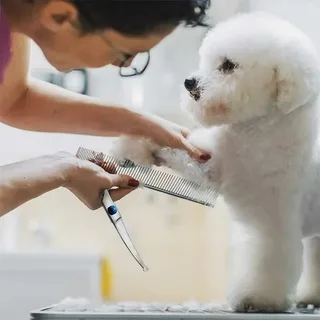
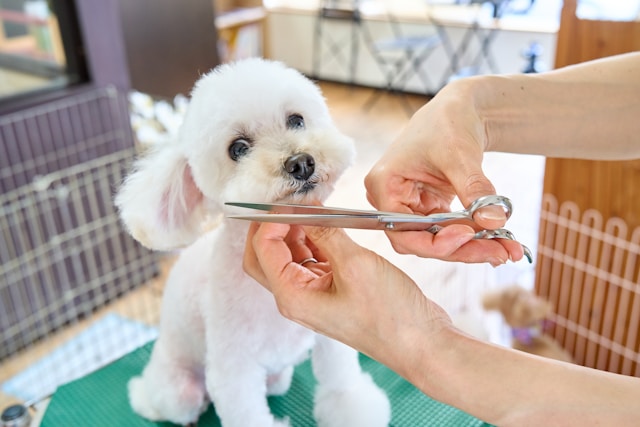
Dog grooming scissors are specially designed cutting tools used to trim, shape, and style a dog’s coat. Unlike regular household scissors, these are crafted with precision, safety, and comfort in mind. They feature sharp blades, ergonomic handles, and often rounded tips to prevent accidental injuries.
These scissors are used for various grooming tasks such as trimming fur around sensitive areas (eyes, ears, paws), shaping the coat, and removing excess hair.
What are the different types of dog grooming scissors?
Straight Scissors
Straight scissors have long, straight blades ideal for general trimming, shaping flat areas, and achieving a neat, even cut. Perfect for beginners and standard grooming tasks on most dog breeds.
Curved Scissors
Curved scissors feature slightly bent blades, allowing groomers to follow the natural contours of the dog’s body. They are best for rounding paws, shaping the face, and creating a smooth, professional finish.
Thinning Scissors
Thinning scissors have one straight blade and one serrated blade, used to reduce bulk without removing too much hair. Ideal for blending, softening lines, and achieving a natural, even coat appearance.
Chunkers
Chunkers are designed for fast, heavy hair removal with wide teeth. Perfect for thick or dense coats, they help reduce volume quickly while adding texture and maintaining coat health.
Why Dog Grooming Scissors Are Important
Using the right grooming scissors is not just about aesthetics—it directly impacts your dog’s well-being.
Enhances Appearance
Using high-quality grooming scissors keeps your dog’s coat tidy, reduces matting, and ensures a polished, well-groomed look, boosting overall appearance and charm.
Improves Hygiene
Regular trimming with proper scissors prevents dirt, debris, and parasites from hiding in fur, promoting cleanliness and reducing the risk of infections and unpleasant odors.
Prevents Skin Issues
Grooming scissors prevent mats and tangles that trap moisture against the skin, reducing irritation, rashes, and infections while maintaining a healthy, breathable coat for your dog.
Ensures Comfort
Trimming overgrown hair around paws, ears, and eyes with precise scissors prevents discomfort, improves mobility, and avoids vision obstruction or painful irritation for your dog.
Key Features to Look for in Dog Grooming Scissors
When choosing grooming scissors, several features determine their performance and durability.
1. Blade Material
High-quality scissors are usually made from stainless steel or Japanese steel, offering durability and sharpness.
2. Sharpness
Sharp blades ensure clean cuts and prevent hair pulling, which can cause discomfort to your dog.
3. Ergonomic Design
Comfortable handles reduce hand fatigue, especially during long grooming sessions.
4. Size and Length
Scissors come in various sizes (typically 4.5 to 8 inches). Smaller scissors offer precision, while longer ones cover larger areas quickly.
5. Adjustable Tension Screw
This feature allows you to control the tightness of the blades for smoother operation.
How to Use Dog Grooming Scissors Properly
Using grooming scissors requires patience, technique, and safety awareness.
Step 1: Prepare Your Dog
- Bathe and dry your dog thoroughly
- Brush out tangles and mats
- Ensure your dog is calm and comfortable
Step 2: Choose the Right Scissors
Select scissors based on the area you’re grooming. For example, use curved scissors for rounded areas and thinning scissors for blending.
Step 3. Start Slowly
Begin with small, careful cuts, gradually trimming more if necessary. Avoid overcutting at once to prevent mistakes, discomfort, or uneven fur shaping.
Step 4. Follow the Natural Coat Direction
Trim hair in the direction of growth, maintaining natural flow, uniform appearance, and a polished look while minimizing stress or irritation to your dog.
Step 5. Be Extra Careful Around Sensitive Areas
Use safety-tip scissors near eyes, ears, and paws. Move slowly and gently to prevent accidental cuts, keeping your dog safe and comfortable throughout grooming.
Safety Tips for Dog Grooming
Safety should always be your top priority when grooming your dog.
- Never rush the grooming process
- Keep scissors away from your dog’s skin
- Use rounded-tip scissors for delicate areas
- Avoid grooming a restless or anxious dog
- Take breaks if your dog becomes uncomfortable
Maintenance and Care of Grooming Scissors
Proper maintenance ensures your scissors remain sharp and effective for years.
Clean After Every Use
After grooming, wipe blades with a soft cloth to remove hair, dirt, and moisture, preventing rust, buildup, and ensuring smooth, precise cuts for your dog.
Oil Regularly
Apply a small drop of oil to the scissors’ pivot point frequently to maintain smooth movement, reduce friction, and extend the life of your grooming scissors.
Store Safely
Keep grooming scissors in a protective case or designated storage area to prevent accidental damage, maintain blade alignment, and ensure safety when not in use.
Sharpen When Needed
Dull scissors can pull hair and irritate your dog. Regularly inspect blades and have them professionally sharpened to maintain effective, safe, and comfortable grooming sessions.
Choosing the Right Scissors for Your Dog’s Coat Type
Different dog breeds have different coat types, and each requires specific grooming tools.
1. Short-Haired Dogs
- Minimal trimming needed
- Use straight scissors for touch-ups
2. Long-Haired Dogs
- Require frequent grooming
- Use curved and thinning scissors for shaping and blending
3. Curly-Coated Dogs
- Prone to matting
- Use chunkers and thinning scissors for volume control
4. Double-Coated Dogs
- Thick undercoat
- Use thinning scissors to reduce bulk without damaging the coat
Professional vs. Home Grooming Scissors
Professional Scissors
- Higher quality materials
- More precise cutting
- Expensive but long-lasting
Home Grooming Scissors
- Budget-friendly
- Suitable for occasional use
- Easier for beginners
Common Mistakes to Avoid
Even experienced pet owners can make mistakes when using grooming scissors.
- Using dull scissors
- Cutting too close to the skin
- Ignoring coat type
- Skipping brushing before trimming
- Using the wrong type of scissors
Avoiding these mistakes ensures a safe and effective grooming session.
Benefits of Investing in Quality Dog Grooming Scissors
High-quality grooming scissors may cost more initially, but they offer long-term benefits:
- Better cutting precision
- Increased durability
- Improved safety
- Professional-looking results
- Reduced grooming time
Tips for Beginners
If you’re new to dog grooming, start simple and build your skills gradually.
- Begin with basic trimming
- Watch tutorials or seek professional advice
- Practice on less sensitive areas first
- Invest in a basic scissor set
- Be patient and consistent
When to Seek Professional Grooming
While home grooming is convenient, some situations require professional help:
- Severe matting
- Complex hairstyles
- Aggressive or anxious dogs
- Health-related grooming needs
Professional groomers have the experience and tools to handle these challenges safely.
Conclusion
Dog grooming scissors are essential tools for maintaining your dog’s health, comfort, and appearance. Using the right type, following proper techniques, and caring for your scissors ensures safe, effective grooming while enhancing your dog’s coat, hygiene, and overall well-being.