
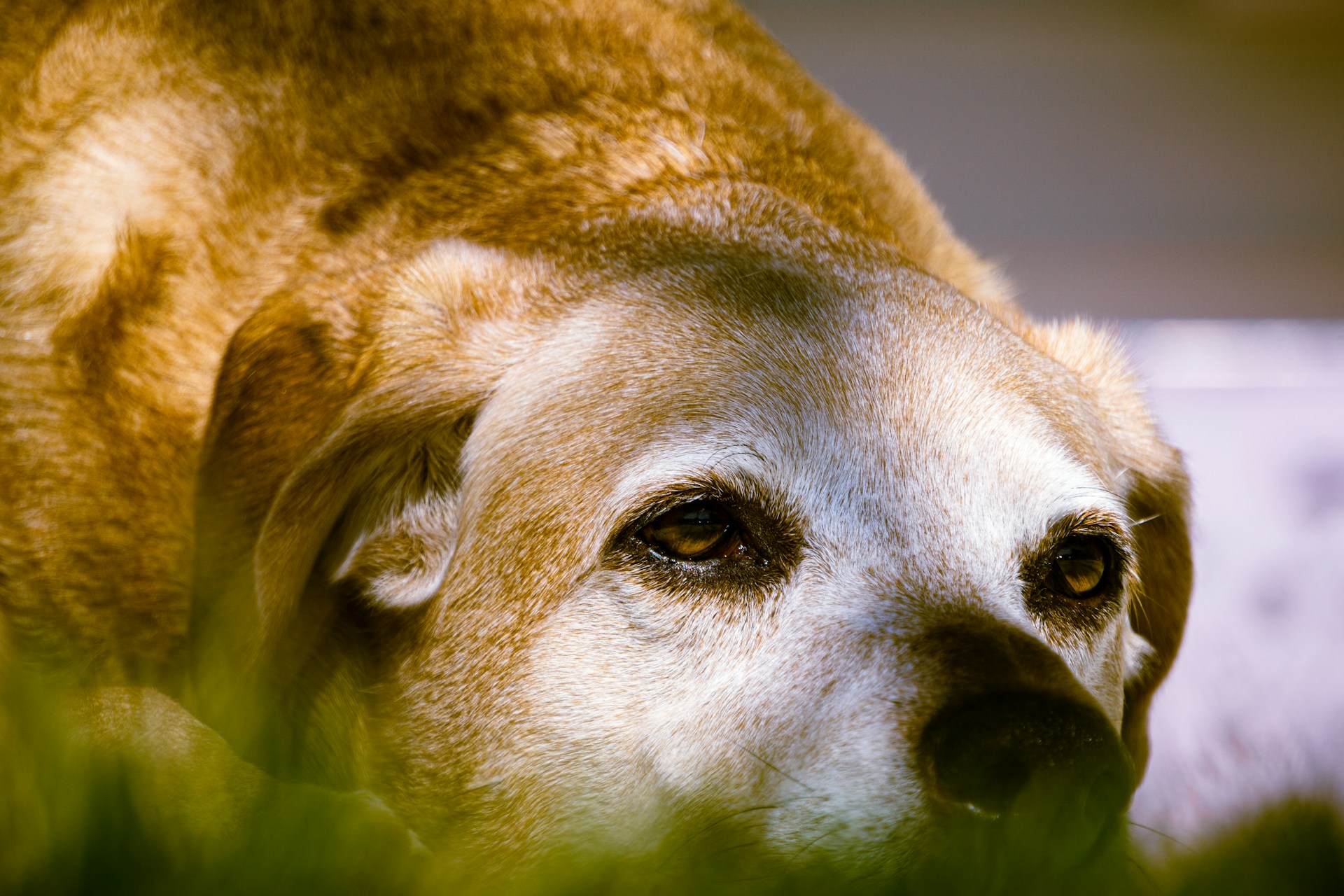
Learn why senior dogs stop eating, common causes, warning signs, and helpful feeding tips to improve appetite, health, and overall well-being in older dogs.
Introduction of Senior Dogs
Senior dogs are older dogs, typically in the final stage of their life, usually around 7 years or older, depending on breed. They may experience slower metabolism, reduced energy, joint problems, and health issues like dental disease or organ decline. Proper care, diet, and regular vet checkups help maintain their well-being.
Understanding Appetite Loss in Senior Dogs
As dogs age, their metabolism slows down, their sense of smell weakens, and their digestion becomes more sensitive. These natural changes can lead to reduced appetite. However, a complete refusal to eat is not considered normal aging and usually indicates a problem that needs attention.
Senior dogs may stop eating due to:
- Medical conditions
- Dental pain
- Emotional stress
- Medication side effects
- Organ decline
When Senior Dogs Won’t Eat
Senior dogs often lose their appetite due to underlying medical or age-related conditions. Unlike younger dogs, a sudden change in eating habits in older pets should always be taken seriously, as it is frequently linked to health issues rather than simple pickiness.
1. Dental Pain
Dental disease is one of the most common reasons senior dogs stop eating. Problems such as gum infections, broken teeth, or oral inflammation can make chewing painful.
Even hard kibble or slightly tough food may become unbearable, causing the dog to avoid eating altogether. In many cases, dogs may still show interest in food but hesitate or stop after a few bites.
2. Kidney Disease
A major cause of appetite loss in older dogs is kidney dysfunction. Chronic Kidney Disease leads to toxin buildup in the bloodstream, which can cause nausea, weakness, and a reduced desire to eat. Dogs may also drink more water but eat significantly less or refuse food entirely.
3. Liver Disease
The liver plays a key role in digestion and metabolism. When it is not functioning properly, toxins accumulate in the body, leading to fatigue, vomiting, and appetite loss. Dogs with liver problems often appear weak and uninterested in food, even when it is their favorite meal.
4. Cancer
Cancer is more common in senior dogs and can strongly affect appetite. Cancer may reduce hunger directly or indirectly through pain, nausea, or organ dysfunction. Weight loss without a clear reason is often an early warning sign.
5. Gastrointestinal Issues
Digestive problems such as stomach inflammation, constipation, or intestinal disorders can make eating uncomfortable. When the stomach feels upset or bloated, dogs may refuse food completely or eat much less than usual.
6. Cognitive Decline
Older dogs can develop brain aging similar to dementia, often called canine cognitive dysfunction. This condition may cause confusion, disorientation, or changes in routine behavior—including forgetting feeding times or losing interest in food altogether. In some cases, dogs may appear hungry but fail to recognize food or where it is placed.
Warning Signs You Should Never Ignore
Behavioral Red Flags
Behavioral changes such as refusing food for more than 24–48 hours, hiding, reduced interaction, or unusual restlessness are serious warning signs. These behaviors often indicate discomfort or illness.
Physical Symptoms
Physical symptoms like vomiting, diarrhea, weight loss, drooling, or extreme fatigue suggest that the issue is more than simple appetite loss and requires immediate attention.

What to Do Immediately If Your Senior Dog Stops Eating
At-Home Remedies
If your senior dog stops eating, try offering smaller meals, switching to softer food, or slightly warming the food to make it more appealing. Creating a calm feeding environment can also help encourage eating.
Hydration Tips
Ensuring proper hydration is essential. Provide fresh water at all times and consider offering low-sodium broth or wet food to increase fluid intake. Watch for signs of dehydration, such as dry gums or lethargy.
Best Foods for Senior Dogs With No Appetite
Soft and Easy-to-Chew Foods
Soft foods like boiled chicken, rice, or wet dog food are easier to chew and digest, making them ideal for senior dogs with dental or digestive issues.
Nutrient-Dense Options
High-quality senior dog food or vet-recommended recovery diets provide essential nutrients in smaller portions, helping maintain energy and health even with reduced appetite.
What Should You Include in Your Senior Dog’s Diet?
Carbs
Carbohydrates provide essential energy for senior dogs, supporting daily activity and brain function. Easily digestible sources like rice, oats, and sweet potatoes are best for older digestion.
Protein
Protein helps maintain muscle mass in senior dogs, supporting strength and recovery. High-quality sources like chicken, fish, and eggs are easier to digest and highly beneficial.
Oils and Fats
Healthy fats support skin, coat, brain health, and joint function in senior dogs. Omega-3 fatty acids from fish oil reduce inflammation and improve mobility and comfort.
Minerals and Vitamins
Minerals and vitamins strengthen immunity, bones, and organ function in aging dogs. Calcium, zinc, and vitamins A, D, and E are especially important for overall health balance.
Water
Water is essential for hydration, digestion, and body temperature regulation in senior dogs. Always provide fresh, clean water to prevent dehydration and support healthy organ function daily.
Dry vs. Wet
Dry food supports dental health, while wet food improves hydration and is easier to chew. Combining both can help meet nutritional needs and encourage better appetite in seniors.
Feeding Techniques That Actually Work
Hand Feeding
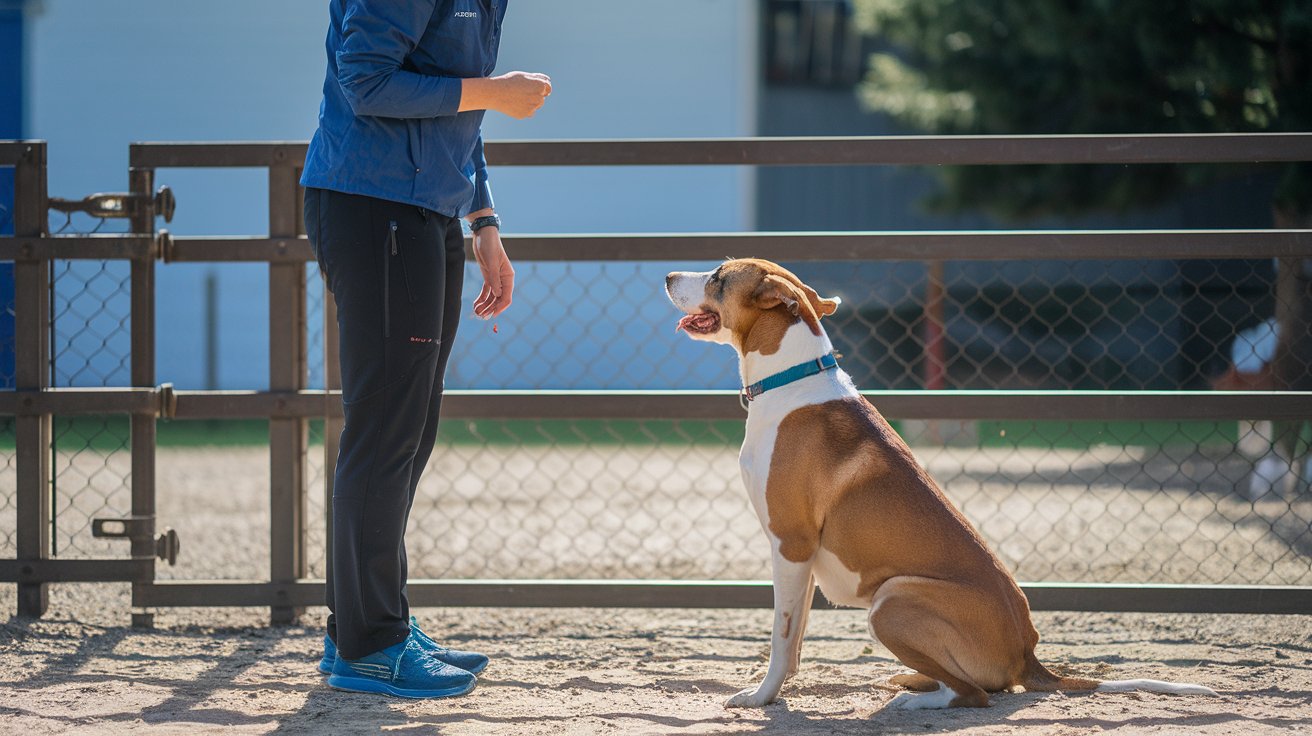
Hand feeding can encourage senior dogs to eat by providing comfort and emotional reassurance, especially when they feel weak or anxious.
Warming Food
Slightly warming food enhances its aroma, making it more appealing to dogs who have a reduced sense of smell.
Changing Feeding Routine
Changing the feeding environment, time, or routine can help stimulate interest in food, especially if boredom or anxiety is affecting appetite.
When to Visit the Veterinarian
Timeline Guidelines
If a senior dog refuses food for more than 24 hours, monitoring is necessary, but if the refusal lasts beyond 48 hours or is accompanied by symptoms like vomiting or weakness, a vet visit is essential.
Diagnostic Tests
Veterinarians may perform blood tests, urine analysis, dental exams, or imaging tests like X-rays or ultrasound to identify the underlying cause of appetite loss.
Conclusion
When senior dogs stop eating, it often signals health or emotional issues rather than normal aging. Early attention, proper diet adjustments, and timely veterinary care can greatly improve recovery, comfort, and overall quality of life in older dogs.

One thought on “When Senior Dogs Won’t Eat: Causes, Warning Signs”
Comments are closed.