
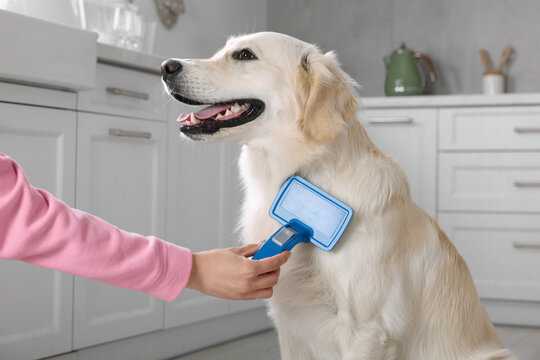
Learn what brush dog grooming is, its benefits, techniques, and tools to maintain a healthy coat, reduce shedding, and strengthen your bond with your dog.
Introduction to Dog Grooming
Dog grooming is an essential aspect of pet care that goes beyond aesthetics. Regular grooming ensures your dog stays healthy, comfortable, and happy. It includes bathing, nail trimming, ear cleaning, and brushing—the latter being a cornerstone of maintaining a dog’s coat and skin.
Importance of Grooming for Dogs
Grooming helps prevent health problems such as matting, skin infections, and parasites. It allows early detection of abnormalities, such as lumps or skin irritations, and contributes to a dog’s overall well-being. Grooming also reinforces hygiene, reducing odors and keeping your home cleaner.
Overview of Brush Dog Grooming
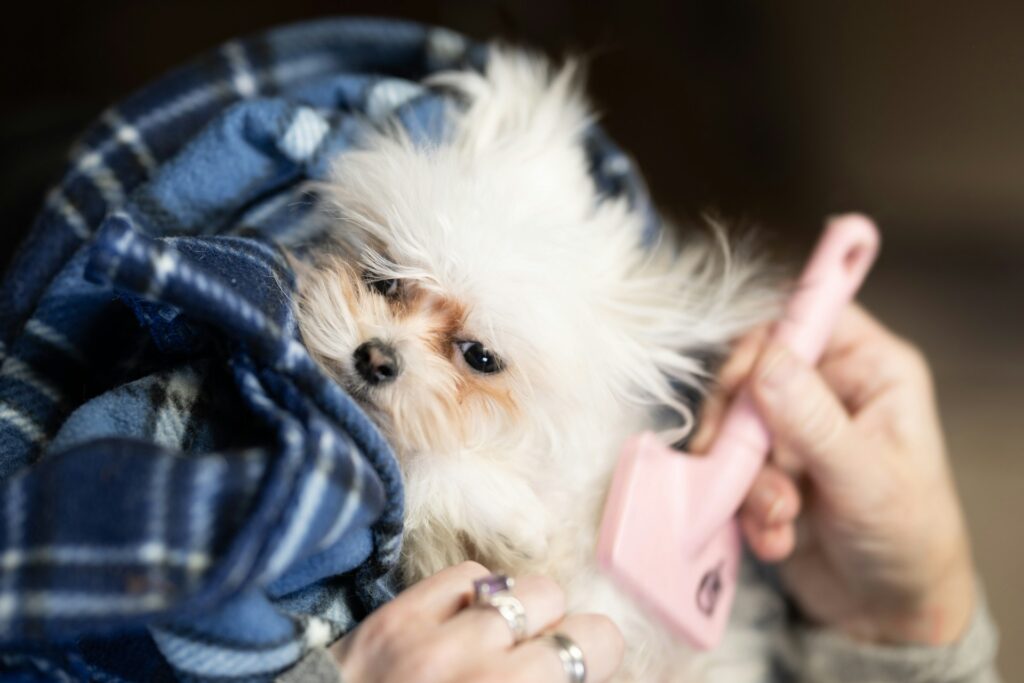
Brush dog grooming is a specific grooming method focused on using various brushes to maintain a dog’s coat. Unlike full grooming sessions that may include baths or professional styling, brush grooming emphasizes coat health, cleanliness, and comfort through regular brushing.
Why Brush Dog Grooming Is Important
1. Prevents Matting and Tangles
Dogs with medium to long coats are especially prone to matting. Regular brushing prevents knots from forming, which can otherwise become painful and difficult to remove.
2. Reduces Shedding
Brushing helps remove loose and dead hair before it ends up on your furniture or clothing. This is especially helpful during seasonal shedding periods.
3. Promotes Healthy Skin
Brushing stimulates the skin and spreads natural oils evenly, reducing dryness and irritation.
4. Early Detection of Problems
While brushing your dog, you can check for signs of fleas, ticks, lumps, or skin infections, allowing for early treatment.
5. Strengthens Bonding
Grooming sessions can be a relaxing and enjoyable experience for both you and your dog, helping build trust and emotional connection.
Types of Dog Brushes
Choosing the right brush is crucial for effective grooming. Each type serves a different purpose based on coat length and texture.
Slicker Brushes
Slicker brushes have fine, short wires close together and are ideal for removing tangles, mats, and loose hair from medium to long-haired dogs. They penetrate the undercoat without harming the skin.
Bristle Brushes
Bristle brushes are gentle, suitable for short-haired dogs, and help distribute natural oils across the coat, enhancing shine and overall coat health.
Pin Brushes
Pin brushes resemble human hairbrushes but are larger and sturdier. They are effective for long-haired breeds, detangling knots, and preventing matting.
De-shedding Tools
De-shedding tools, like the FURminator, remove loose undercoat hair, reducing shedding significantly and keeping homes cleaner. These tools are particularly useful during seasonal shedding periods.
Benefits of Brush Dog Grooming
Regular brushing provides multiple advantages for both dogs and owners.
Healthy Coat Maintenance
Brushing distributes natural oils throughout the coat, preventing dryness, tangles, and brittle hair. A well-maintained coat reflects overall health.
Skin Stimulation
The brushing motion stimulates blood circulation, promoting skin health and encouraging hair growth. It also helps detect skin issues early, such as rashes or parasites.
Reduced Shedding
Frequent brushing removes loose hair before it falls off naturally, minimizing shedding in the home and reducing allergens.
Bonding with Your Pet
Brushing sessions strengthen the bond between pet and owner. Dogs often view these sessions as affectionate interactions, making them calmer and more comfortable with grooming.
Step-by-Step Guide to Brush Dog Grooming
Step 1: Choose the Right Brush
Select a brush designed for your dog’s coat type, whether short, long, or curly, to ensure comfortable grooming, effective cleaning, and proper distribution of natural oils.
Step 2: Start Gently
Begin brushing slowly and softly, allowing your dog to relax and adjust to the process, especially if grooming is new, while carefully avoiding sensitive areas.
Step 3: Work in Sections
Divide your dog’s coat into small sections and brush each part thoroughly and methodically, ensuring even coverage and preventing missed spots, tangles, or uneven grooming results.
Step 4: Detangle Carefully
Use a comb or detangling tool to gently remove knots, working slowly from the ends upward, avoiding pulling or causing pain, which can make grooming stressful.
Step 5: Check Skin Condition
While brushing, carefully inspect your dog’s skin for redness, bumps, irritation, fleas, or ticks, helping you identify potential health issues early and take appropriate action.
Step 6: Reward Your Dog
Finish grooming with praise, affection, or treats to create a positive experience, helping your dog associate brushing with comfort, trust, and enjoyable bonding time together.
How Often Should You Brush Your Dog?
Based on Coat Type
- Short-haired dogs: 1–2 times per week
- Medium-haired dogs: 2–3 times per week
- Long-haired dogs: Daily or every other day
Seasonal Considerations
Dogs shed more during spring and fall. During these periods, increase brushing frequency to manage loose hair and prevent matting.
Tips for Effective Brush Dog Grooming
- Brush your dog when they are calm or after exercise
- Keep grooming sessions short and positive
- Clean your grooming tools regularly
- Use detangling sprays if needed
- Be consistent with your grooming routine
When to Seek Professional Grooming
While brushing at home is important, some dogs may need professional grooming services, especially if they have thick, curly, or heavily matted coats. Professional groomers have specialized tools and expertise to handle complex grooming needs safely.
Brush Dog Grooming for Different Breeds
Short-Haired Dogs
Short-haired breeds benefit from bristle brushes and occasional slicker brushing to remove loose hair and stimulate skin.
Long-Haired Dogs
Long-haired breeds require slicker or pin brushes to prevent tangles, mats, and excessive shedding. Regular brushing is essential to maintain coat beauty and health.
Curly-Coated Dogs
Curly-coated dogs, like Poodles, need specialized combs and slicker brushes to prevent matting and maintain curl structure.
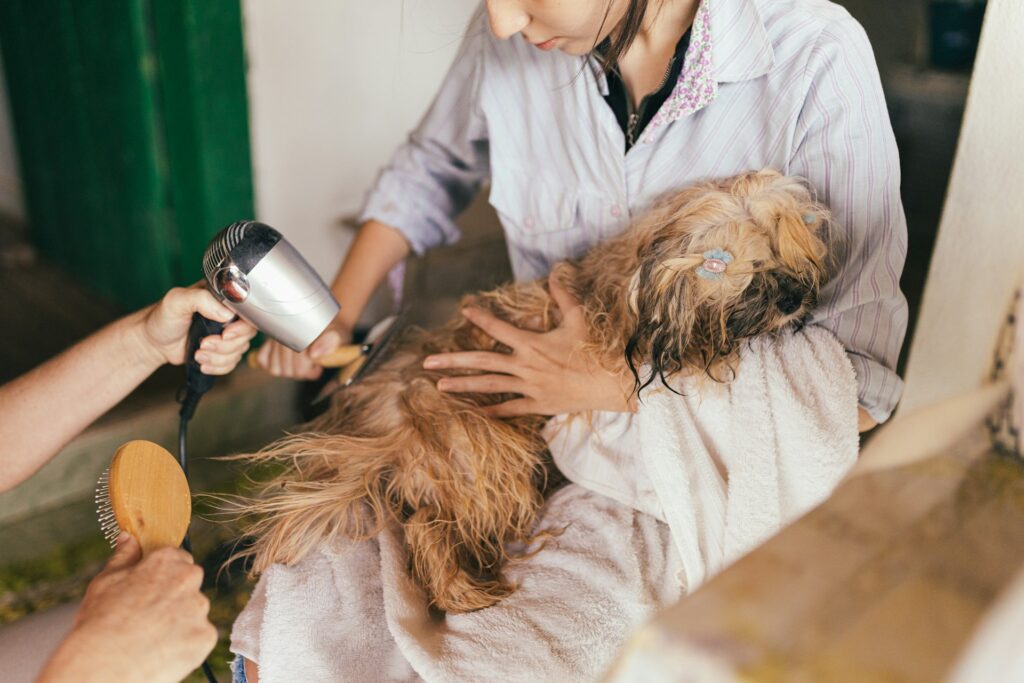
Tools and Products for Effective Grooming
Essential Grooming Kit
- Appropriate brush types
- Comb for tangles
- Detangling spray
- Nail clippers (optional)
- Towels
Optional Enhancements
- Grooming gloves for sensitive dogs
- Conditioner or coat spray for shine
- De-shedding tools for heavy shedders
Common Mistakes to Avoid
Over-Brushing
Brushing too aggressively or too often can irritate the skin and damage the coat. Stick to a routine that matches your dog’s coat type.
Using the Wrong Tools
Using unsuitable brushes can cause discomfort, break hair, or fail to remove tangles. Invest in brushes designed for your dog’s specific coat type.
Conclusion
Brush dog grooming is essential for maintaining a healthy, shiny coat, reducing shedding, and promoting skin wellness. Regular brushing strengthens the bond between you and your dog while allowing early detection of health issues, ensuring your pet stays comfortable, clean, and happy.
One thought on “What Is Brush Dog Grooming? Complete Guide for Pet Owners”
Comments are closed.