Will Bengal cats kill other cats? Learn their behavior, aggression causes, safe introductions, and tips to prevent fighting in multi-cat homes.
Introduction to Bengal Cats and Their Behavior
Bengal cats are energetic, intelligent, and visually striking pets known for their wild appearance and playful nature. They are highly active and curious, often forming strong bonds with their owners. Understanding their behavior, including their social and hunting instincts, is essential for creating a harmonious home, especially in multi-cat environments.
Understanding Bengal Cats Behavior
To understand Bengal cats, we first need to know where they come from and how they behave.
Origins and Wild Ancestry
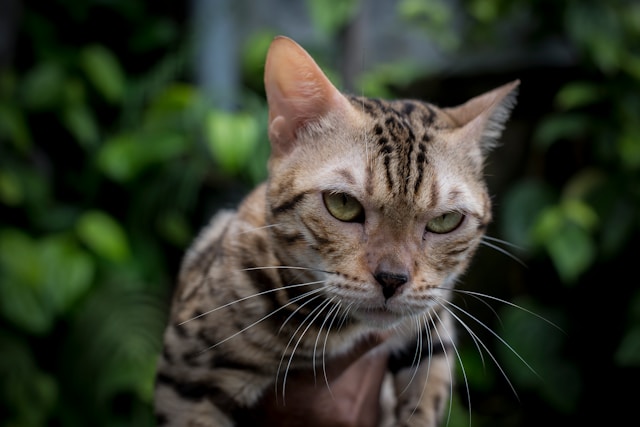
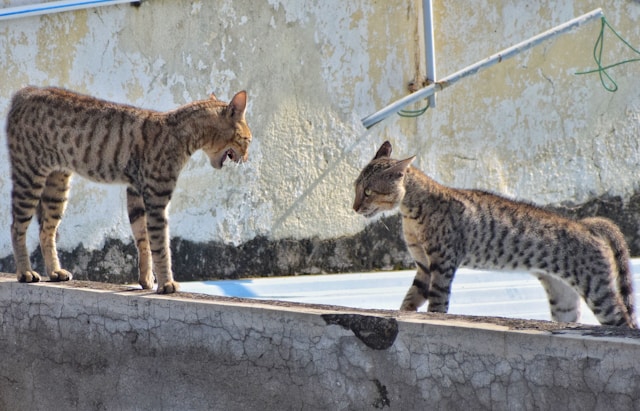
Bengal cats were created by breeding domestic cats with the Asian leopard cat. This wild ancestry gives them a unique appearance with spotted or marbled coats.
Because of this background, Bengals often have:
- High energy levels
- Strong hunting instincts
- Curious and active personalities
Even though they look wild, modern Bengal cats are domesticated and live safely in homes.
Will Bengal Cats Kill Other Cats?
Yes, Bengal cats can kill or seriously injure other cats in rare situations. This usually happens due to strong territorial instincts, fear, stress, or poor introductions. However, most Bengals live peacefully with other cats when properly socialized and managed.
Why People Think Bengal Cats Are Dangerous
There are a few reasons why Bengal cats get this reputation:
1. Wild Appearance
Bengal cats have a leopard-like spotted coat that makes them look wild. This appearance often leads people to wrongly assume they are aggressive or dangerous animals.
2. High Energy Levels
Bengal cats are very active and playful. Their constant running, jumping, and intense play style can appear aggressive, but it is normal energetic cat behavior.
3. Strong Hunting Instincts
Bengals have strong natural hunting instincts. They love chasing toys and moving objects with great focus, which can seem intense but is completely natural feline behavior.
4. Misunderstood Behavior
Bengal cats often play rough, which some people mistake for aggression. In reality, their actions are playful, social, and simply part of normal cat communication behavior.
When Can Aggression Between Cats Happen?
Even though Bengal cats are not naturally violent, aggression can happen in certain situations.
1. Territory Issues
Cats are naturally territorial animals. A Bengal cat may show aggression if another cat enters its space. They protect their area, food, and resting spots from perceived intruders or threats.
2. Lack of Socialization
If a Bengal kitten is not properly socialized early, it may struggle with other cats later. Poor introductions can lead to fear, confusion, and aggressive reactions in shared environments.
3. Stress or Fear
Stressful situations, loud noises, or sudden changes can trigger aggression in cats. When Bengals feel unsafe or threatened, they may react defensively with hissing, scratching, or other aggressive behaviors.
4. Competition for Resources
Cats may become aggressive when competing for food, water, litter boxes, or owner attention. Limited resources can create tension between Bengal cats and other household pets in shared spaces.
5. Personality Differences
Every cat has a unique personality. Some Bengals may simply not get along with other cats. Even without clear reasons, personality clashes can lead to tension or aggressive interactions.
How Bengal Cats Behave with Other Cats
Positive Behavior
- Playful chasing
- Grooming other cats (sometimes)
- Sleeping near other cats after bonding
- Sharing space peacefully
Negative Behavior
- Stalking or chasing
- Hissing or growling
- Swatting with paws
- Blocking access to food or space
How to Introduce a Bengal Cat to Other Cats Safely
If you already have a cat and are bringing a Bengal cat home, follow these steps:
Step 1: Separate Rooms
Keep the Bengal cat in a separate room at first. Let both cats adjust. Allow them to smell each other under the door to build early familiarity and reduce fear.
Step 2: Exchange Smells
Swap bedding, toys, or clothes between both cats. This helps them recognize each other’s scent. Familiar smells reduce stress and make future introductions smoother and more comfortable for both cats.
Step 3: Controlled Meetings
Let both cats see each other through a barrier like a gate or crate. Keep these meetings short and calm. This helps them observe without direct contact or tension.
Step 4: Supervised Interaction
Allow short face-to-face meetings while closely supervising. Watch body language carefully. If signs of aggression appear, gently separate them and try again later in a calm environment.
Step 5: Gradual Freedom
Slowly increase the time both cats spend together. Reward calm behavior with treats or praise. This builds positive associations and helps them live together peacefully over time.
How to Prevent Fighting Between Cats
To avoid conflict in your home:
1. Provide Enough Resources
Make sure each cat has its own food bowl, water bowl, litter box, and sleeping area. Having enough resources reduces competition and helps prevent fighting or territorial behavior in the home.
2. Give Attention to Both Cats
Spend equal time with each cat to avoid jealousy. When one cat feels ignored, it may become stressed or aggressive. Balanced attention helps maintain peace and emotional stability between pets.
3. Daily Playtime
Bengal cats need regular exercise and mental stimulation. Daily play sessions help release extra energy. A tired cat is calmer, which lowers the chances of fighting with other cats.
4. Use Cat Trees and Shelves
Provide vertical spaces like cat trees, shelves, or climbing areas. These spaces allow cats to escape and relax. It reduces stress and helps prevent territorial conflicts between them.
5. Avoid Punishment
Never punish cats for aggressive behavior. Punishment increases fear and stress, making fighting worse. Instead, focus on calm training, positive reinforcement, and creating a safe environment for both cats.
Realistic Scenarios Where Problems Happen
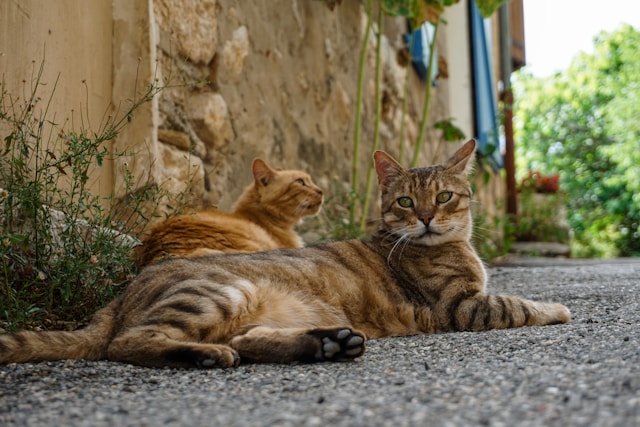
Let’s be realistic. Problems may happen if:
- Two unneutered males fight for dominance
- A Bengal is introduced too quickly
- There is no space or resources
- One cat is constantly stressed
In these cases, fights can become serious, but still not “intentional killing behavior.
How to Make Bengal Cats Friendly With Other Cats
If you want peaceful co-existence:
- Choose compatible personalities
- Adopt cats at a young age together
- Neuter/spay both cats
- Keep a stable routine
- Use positive reinforcement
Most Bengal cats adjust well if raised correctly.
Conclusion
Bengal cats are not naturally dangerous to other cats. With proper training, socialization, and space management, they can live peacefully in multi-cat homes. Aggression may occur only in rare territorial or stressful situations, so responsible care and gradual introduction are essential for harmony. Overall