Learn why Bengal cats can be challenging pets. High energy, intelligence, and social needs require active, patient owners for a rewarding experience.
Bengal cats are a hybrid breed, originally developed by crossing domestic cats with the Asian leopard cat. This lineage gives them their exotic appearance, boundless energy, and heightened intelligence. Bengals are social, curious, and extremely active, making them fun but sometimes demanding pets.
What Makes Bengal Cats Special?
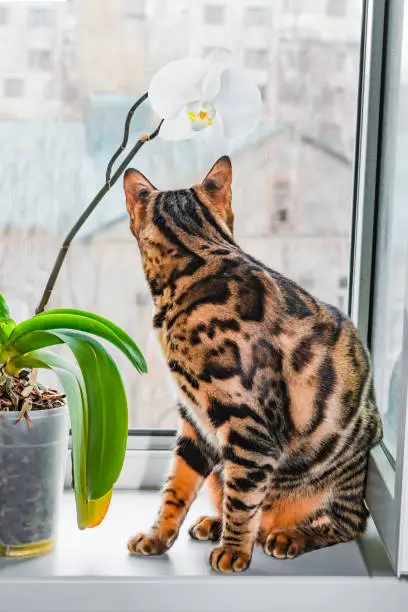
Bengal cats are a hybrid breed, originally developed by crossing domestic cats with the Asian leopard cat. This cross resulted in a domestic cat with a striking, wild appearance, characterized by rosettes, marbling, or spots. Bengals are medium to large in size, muscular, and extremely agile.
Their unique combination of beauty, intelligence, and energy makes them stand out from other domestic cat breeds. Unlike calm, low-maintenance breeds, Bengals are active, social, and inquisitive, which is why some people consider them difficult to own.
Bengal Cat Personality and Temperament
Before understanding why Bengals may be challenging pets, it’s important to know their temperament:
1. Highly Energetic
Bengals are very active cats. They love to run, jump, and climb, which means they need more exercise than the average domestic cat. Without proper outlets for their energy, they can become bored and destructive, scratching furniture or knocking over household items.
2. Intelligent and Curious
Bengals are smart. They can figure out how to open doors, climb cabinets, and even learn tricks. Their curiosity keeps them engaged, but it also means owners must provide constant stimulation to prevent mischief.
3. Social and Affectionate
Despite their wild appearance, Bengals are social cats. They enjoy spending time with their owners, playing games, and forming strong bonds. Unlike some independent cats, they may follow you around the house, seeking interaction and attention.
4. Vocal Communicators
Bengals are known to be vocal. They use chirps, meows, and trills to communicate their needs and feelings. While some owners love this trait, others may find it overwhelming.
5. Adventurous and Playful
These cats love climbing, jumping, and exploring. Bengals thrive in environments with vertical spaces, toys, and safe outdoor access. A home without stimulation can leave them frustrated and stressed.
Are Bengal Cats Difficult Pets?
Yes, Bengal cats can be difficult pets for some. Their high energy, intelligence, and social needs demand daily play, mental stimulation, and attention. Without proper care, they may become bored, mischievous, or vocal. Experienced, active owners who can meet these needs will find Bengals rewarding, but they may overwhelm beginners.
Traits That Can Make Bengals Challenging
High Energy Levels
Bengals are extremely active and require plenty of playtime. Without enough mental and physical stimulation, they can become bored and develop destructive behaviors such as scratching furniture or knocking over household items.
Intelligence and Curiosity
Their intelligence makes the Bengals excellent problem solvers, but also clever escape artists. They may open cabinets, climb high places, or even figure out how to get outside. Owners need to provide safe, stimulating environments.
Vocal and Attention-Seeking
Bengals are known to be more vocal than many other cat breeds. They often demand attention, especially if they feel lonely or bored, which can be overwhelming for someone expecting a quiet, independent cat.
Strong Prey Instinct
Due to their wild ancestry, Bengals have a strong hunting instinct. Small pets like birds or hamsters may not be safe in a household with a Bengal unless properly supervised.
Grooming and Health Needs
While Bengals have short coats that are relatively low-maintenance, they still require routine care. Regular brushing, dental hygiene, and health checkups are necessary to keep them in top condition.
Who Should Consider a Bengal Cat?
Bengals are best suited for owners who:
- Have time for daily interaction and play
- Can provide a stimulating, enriched environment
- Are patient and can handle their high energy and vocal tendencies
- Understand the responsibilities of a hybrid breed
Bengals are not ideal for people seeking a low-maintenance or highly independent cat. However, for those willing to invest time and energy, Bengals reward their owners with loyalty, affection, and endless entertainment.
Tips for Caring for a Bengal Cat
If you decide to bring a Bengal cat into your home, there are ways to make life easier for both you and your pet. Here are some tips:
1. Provide Plenty of Toys and Enrichment
Bengals need stimulation to prevent boredom. Puzzle toys, climbing trees, scratching posts, and interactive games are great ways to keep them engaged.
2. Playtime Is Essential
Spend time playing with your Bengal every day. Use toys that encourage jumping, climbing, and chasing. Regular play helps burn energy and prevents destructive behavior.
3. Socialize Your Bengal
Expose them to different people, pets, and environments from a young age. This helps reduce fear, anxiety, or aggressive behavior.
4. Create a Safe Environment
Bengals are curious and adventurous. Make sure your home is safe for climbing and exploring. Remove dangerous objects or secure areas where they could get hurt.
5. Regular Grooming and Vet Care
Brush your Bengal cat regularly to reduce shedding. Schedule regular veterinary check-ups to monitor their health and prevent common issues.
6. Patience and Understanding
Bengals have unique personalities and high energy. Accepting their traits and providing proper care will make your relationship much stronger and enjoyable.
Are Bengals Right for Your Lifestyle?
Bengals are best suited for owners who:
- Have an active lifestyle and enjoy interactive play.
- Can dedicate time to mental stimulation and enrichment.
- Are patient and willing to train and redirect undesirable behavior.
- Enjoy vocal and social cats that seek attention.
- Can provide a safe, stimulating indoor environment or secure outdoor access.
Bengals may not be ideal for people who travel frequently, want a low-maintenance pet, or have very young children or timid pets that might be stressed by their energy.
Conclusion
Bengal cats are energetic, intelligent, and social, making them rewarding but sometimes challenging pets. They require daily play, mental stimulation, and attention. Experienced, patient owners with active lifestyles can enjoy their loyalty, affection, and entertainment, while beginners may find their needs overwhelming.