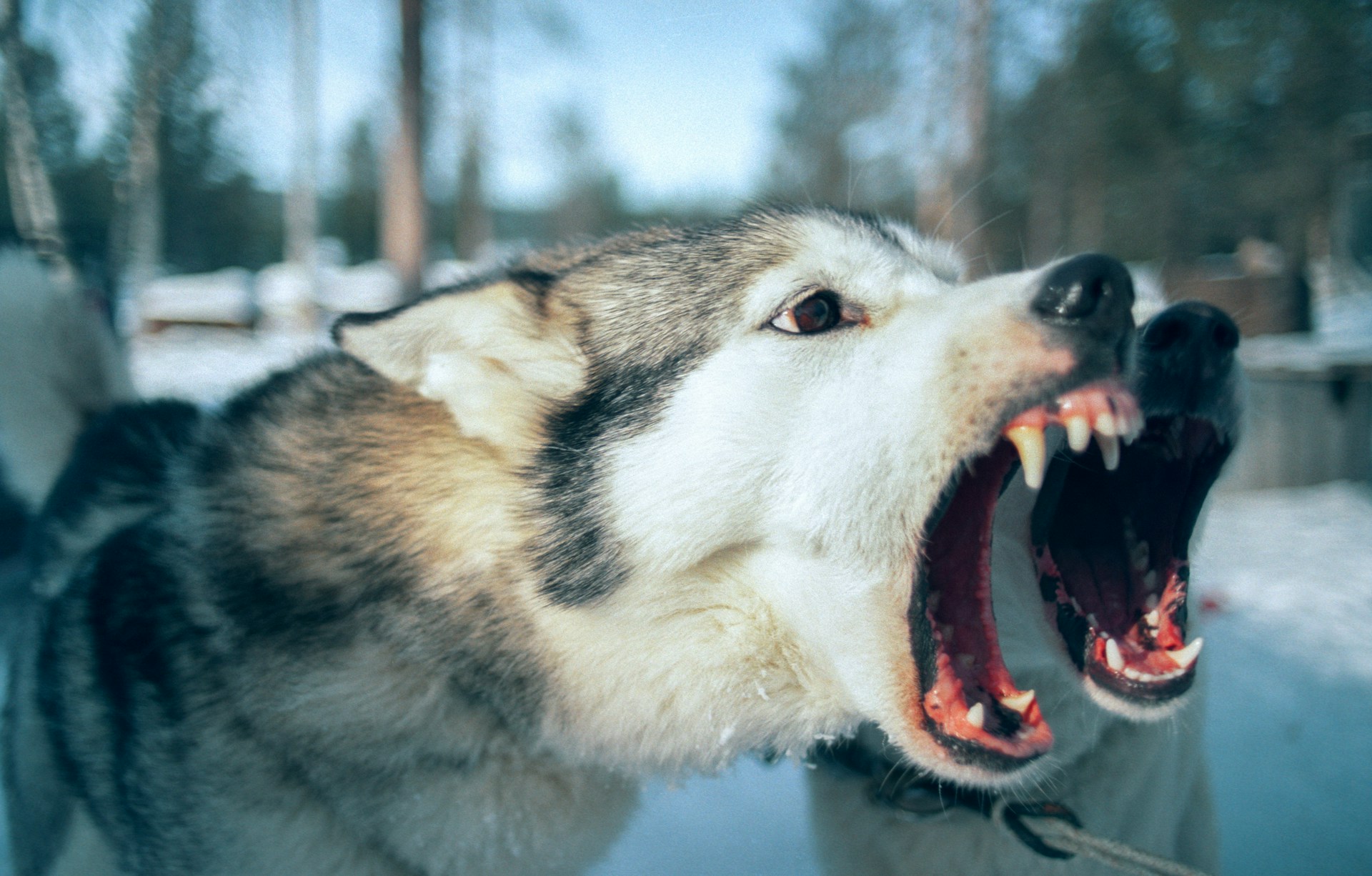

The St Bernard dog is a giant, gentle breed from the Swiss Alps known for rescue work, calm temperament, and loyalty. Learn its history, care, and traits guide.
The St. Bernard dog is a large working breed known for its strength, calm nature, and history of mountain rescue. It is one of the most recognizable giant dog breeds in the world, often shown as a gentle hero in snowy alpine settings.
This breed originally comes from the Swiss Alps and northern Italy, where it was developed to help travelers and rescue people lost in snowstorms. Today, the St. Bernard is mostly kept as a family companion, but its legacy as a rescue dog still defines its identity.

Origin and History of the St. Bernard
The St. Bernard dog traces its origins back to the Great St. Bernard Pass, a perilous mountain pass between Switzerland and Italy. Around the 11th century, monks at the hospice of St. Bernard began using large dogs to guard the area and assist travelers.
Over time, these dogs were selectively bred for strength, endurance, and a strong sense of smell. They became famous for finding lost travelers buried in snow and guiding them back to safety.
One of the most well-known historical roles of this breed is alpine rescue work. Legends say these dogs would even carry small barrels of brandy around their necks, though this detail is more myth than fact.
The modern breed we know today developed from these rescue dogs and was later refined through controlled breeding programs in Switzerland.
Role in Alpine Rescue Missions
St. Bernard’s became famous for their rescue work in snowy mountain regions. They were trained to locate people trapped under snow or lost during storms. Their strong sense of smell allowed them to detect humans buried deep beneath avalanches. Once they found someone, they would alert rescuers or guide help to the location. This lifesaving ability made them legendary rescue dogs.
Physical Characteristics of St Bernard Dogs
St Bernards are one of the largest dog breeds in the world. They have a strong, muscular body, a large head, and expressive eyes that give them a calm and friendly look. Their size alone makes them very powerful, but their overall appearance is balanced by their gentle facial expression. They look intimidating at first, but their nature is extremely kind.
Size, Weight, and Appearance
A St Bernard usually stands very tall and can weigh anywhere from 64 kg to over 120 kg. Males are generally larger than females. Their body is heavy-boned and muscular, built for strength and endurance in cold environments. Their large paws help them walk through deep snow easily, making them perfect for mountainous regions.
Coat Types and Colors
St Bernards have two coat types: short-haired (smooth coat) and long-haired (rough coat). Both types are dense and thick, designed to protect them from cold weather. Their coat colors are usually white combined with shades of red, brown, or brindle. These markings give them a very distinctive and attractive appearance.
Personality and Temperament
St Bernards are known for their calm, patient, and loving nature. They are not aggressive dogs and usually prefer peaceful surroundings. They are very loyal to their owners and enjoy being close to family members. Their gentle behavior makes them excellent companions, especially in households with children.
Behavior Around Families
In family environments, St Bernards are extremely affectionate and protective. They form strong emotional bonds with their owners and often behave like gentle guardians. They are not overly active indoors and enjoy relaxing with their family. Their calm nature makes them suitable for homes where a peaceful pet is preferred.
Interaction with Children and Pets
St Bernards are very good with children because of their patient and tolerant behavior. They rarely show aggression and are careful around small kids. However, due to their large size, accidental bumps can happen, so supervision is always important. They also get along well with other pets if introduced properly at a young age.
5 Reasons Why a St. Bernard May Be the Perfect Breed For You
History
St. Bernard dogs originated from Roman Molossian dogs and were developed as Alpine Mastiffs. They became famous in the 1600s for rescuing travelers at the Great Saint Bernard Hospice.
Size
St. Bernards are giant, powerful dogs with heavy bones and strong muscles. Their large size makes them ideal for rescue work, protection tasks, and carrying loads in snowy mountain regions.
Intelligence
St. Bernards are intelligent working dogs capable of learning rescue tasks and commands. They can quickly understand training, problem-solving situations, and respond effectively in emergencies, especially in mountain environments.
Temperament
St. Bernards have a calm, gentle, and friendly temperament. They are affectionate with families, patient with children, and naturally protective, making them excellent companions in safe household environments.
Activity Level
St. Bernards have moderate to low energy levels. They enjoy slow walks, light play, and outdoor activities, but do not require intense exercise, preferring relaxed and comfortable living routines.
Indoor vs Outdoor Lifestyle
St Bernards can live indoors comfortably if they have enough space to move around. They enjoy being close to their family rather than staying outdoors all the time. However, they do best in homes with large yards where they can stretch and relax freely.
Diet and Nutrition
St Bernards require a well-balanced diet because of their large size and slow metabolism. Their food should include high-quality protein, healthy fats, and essential nutrients to support bone and muscle growth. Proper feeding is important to maintain their health and energy levels.
Feeding Guidelines
They should be fed measured portions instead of free feeding to prevent overeating. Puppies need more frequent meals, while adults usually eat two meals per day. Their diet should be carefully planned to avoid weight gain, which can put pressure on their joints.
Common Dietary Issues
St Bernards are prone to obesity and bloating if their diet is not controlled properly. Overeating or eating too quickly can cause digestive problems. Owners should avoid giving their dogs unhealthy table scraps and instead focus on providing balanced dog food specifically designed for large breeds.

Grooming and Maintenance
St Bernards require regular grooming due to their thick coat and heavy shedding. Brushing helps remove loose hair and keeps their coat clean and healthy. Grooming also helps reduce the amount of fur shed around the house.
What Are Fun Activities for Saint Bernards?
Carting and drafting competitions
Saint Bernards enjoy pulling carts in competitions, showcasing strength, endurance, and their traditional working-dog abilities in structured pulling events.
Nose work
They use their strong sense of smell in nose work games, tracking scents, and finding hidden objects during training activities.
Playing in the snow
Saint Bernards love snow play, rolling, running, and exploring cold environments that match their natural alpine mountain heritage and comfort.
Watching over young children
They are gentle protectors, calmly watching over children, showing patience, loyalty, and natural caregiving instincts within family home environments.
Going on a hike
These dogs enjoy moderate hiking, exploring nature trails with owners, using steady energy, and enjoying outdoor adventures in cool weather.
Camping or backpacking
Saint Bernards can join camping trips, staying calm outdoors, carrying supplies, and enjoying companionship during slow-paced wilderness adventures with families.
Fetch
They can play fetch in short sessions, retrieving objects with enthusiasm, though they prefer slow-paced play due to their large size.
Swimming
Saint Bernards enjoy swimming for exercise and cooling down, using their strong bodies to move through water while staying relaxed and playful.
Conclusion
St Bernard dog is a gentle giant known for its rescue history, calm behavior, and loyalty. It fits families with space and care. With proper training, diet, and grooming, this breed becomes a loving companion. Its legacy of bravery and service remains strong today. Overall summary.