Learn are Senior Cats More Vocal and why senior cats become more vocal, including aging, health issues, dementia, and anxiety, plus when to worry and how to help your older cat effectively.
Cats often change their behavior as they age, and one of the most noticeable changes for many pet owners is an increase in vocalization. If your older cat has suddenly become more talkative, you are not alone. Many cat owners report that senior cats meow more frequently, sometimes loudly and persistently. But is this normal? And what does it actually mean?
Let’s explore why senior cats may become more vocal, what it could indicate, and when it might signal a health concern.
Are Senior Cats More Vocal?
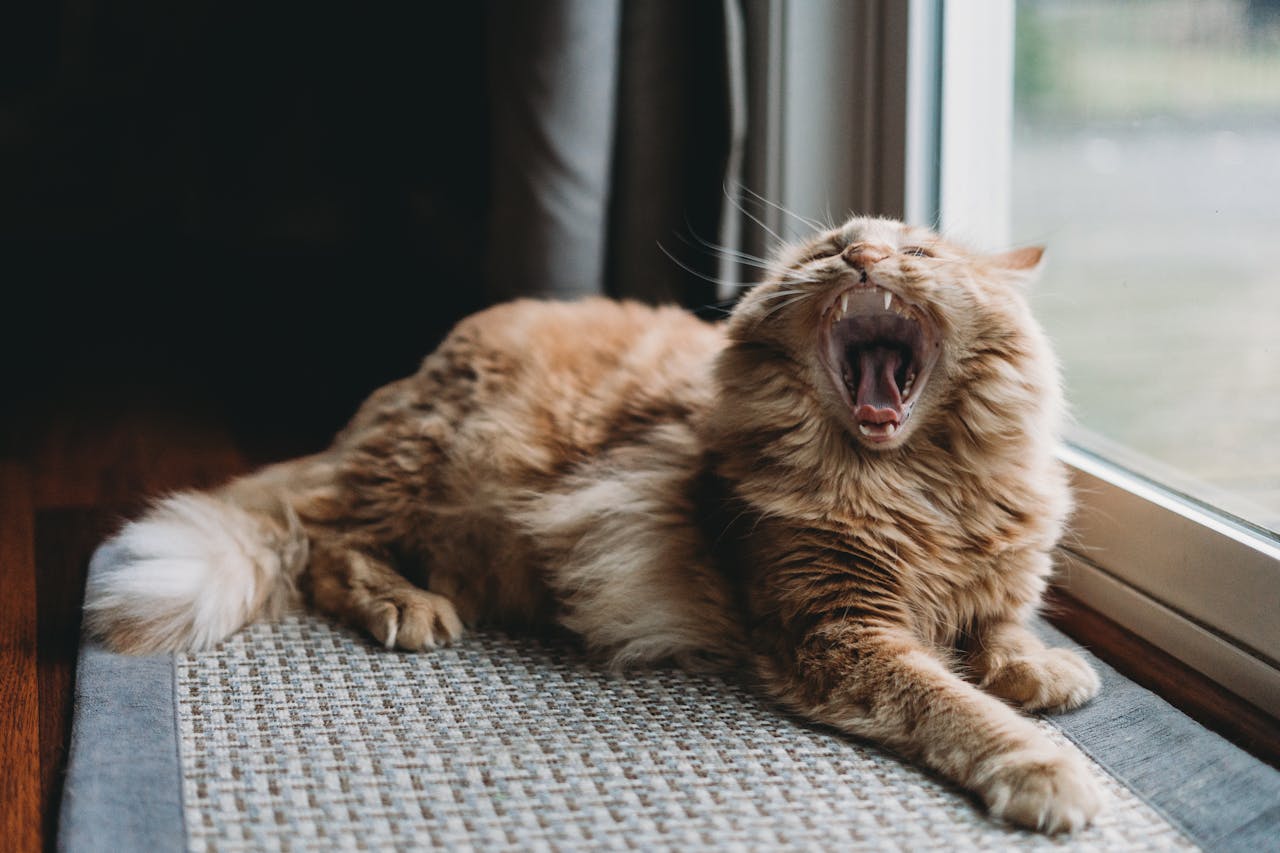
Yes, senior cats frequently become more vocal as they age, often starting around 10 years old. This change can be due to aging-related factors like reduced hearing, cognitive decline, health issues, or increased need for attention and comfort from their owners, making them communicate more.
Common Reasons for Increased Vocalization in Senior Cats
Cognitive Dysfunction (Dementia)
Older cats may experience confusion and memory loss, leading to disorientation, especially at night. This often results in frequent, loud, or seemingly purposeless vocalizations as they struggle to understand their surroundings.
Sensory Loss
Hearing or vision decline can make senior cats feel insecure. They may vocalize more to locate their owners, navigate spaces, or gain reassurance when they cannot clearly sense their environment.
Medical Issues
Pain, kidney disease, or other chronic illnesses can cause discomfort. Cats often express distress through increased meowing or yowling when they are unwell or feeling physically uneasy.
Hyperthyroidism
This hormonal disorder speeds up metabolism, making cats restless, hungry, and anxious. It often leads to excessive vocalization, especially at night or during periods of increased activity.
Insecurity and Anxiety
Senior cats may feel more dependent on their owners and environment. Changes in routine or surroundings can trigger anxiety, leading them to vocalize more for comfort and attention.
Why Do Some Senior Cats Become More Vocal?
As cats enter their senior years (usually around 10–12 years and older), their behavior can shift due to physical, emotional, and cognitive changes. Increased vocalization is one of the most noticeable signs.
1. Cognitive Changes and Confusion
Older cats can develop a condition similar to dementia in humans, known as feline cognitive dysfunction. This may cause:
- Confusion, especially at night
- Increased anxiety
- Meowing or yowling without an obvious reason
In such cases, vocalization is often a way for the cat to cope with disorientation.
2. Hearing Loss
As cats age, their hearing may decline. A cat that cannot hear itself or its environment well may:
- Meow louder than usual
- Vocalize more frequently to “check in” with surroundings
- Seek reassurance from owners through sound
This is similar to how humans may speak louder when they cannot hear themselves clearly.
3. Attention-Seeking Behavior
Senior cats often become more dependent on their owners. They may vocalize more because:
- They want attention or comfort
- They need help moving or accessing food/water
- They have learned that meowing gets a response
Older cats often strengthen their bond with humans, which can lead to more communication.
4. Medical Conditions
Increased vocalization can also be linked to health problems such as:
- Hyperthyroidism
- Arthritis pain
- Kidney disease
- High blood pressure
When a cat is uncomfortable, it may express distress through frequent meowing or yowling.
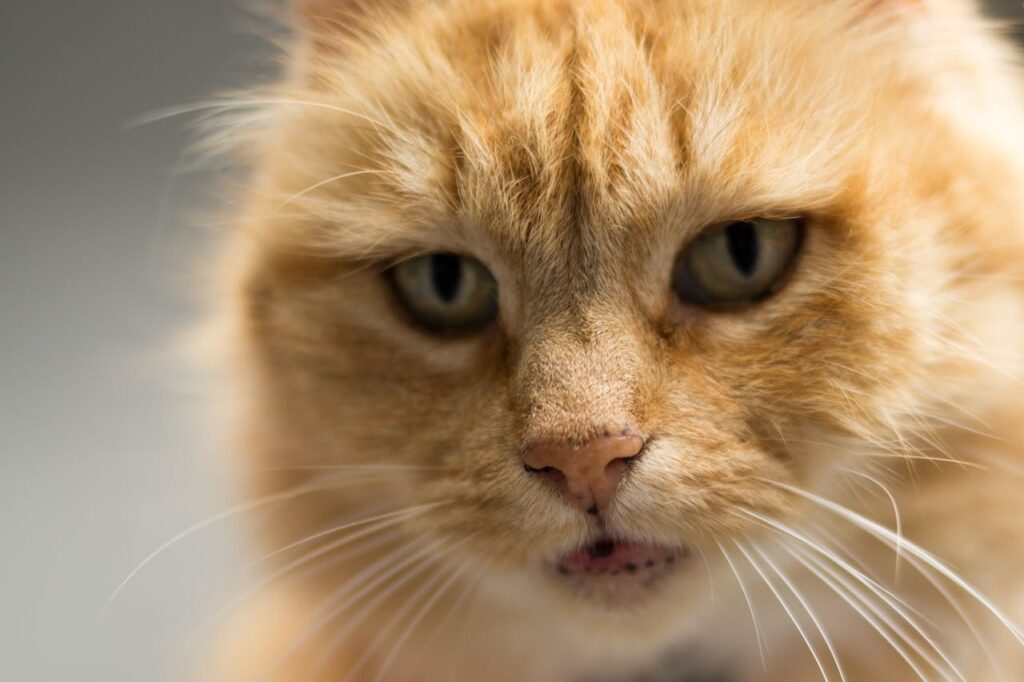
Are all senior cats more vocal?
No, not all older cats become more vocal. Some actually become quieter due to reduced energy levels, less curiosity or activity, and personality changes over time. Just like humans, cats age differently depending on genetics, health, environment, and temperament.
When Should You Be Concerned?
While some increase in vocalization can be normal, sudden or extreme changes should not be ignored. Seek veterinary care if your cat yowls at night, becomes confused or restless, vocalizes in the litter box, shows pain signs, or changes eating and sleeping habits significantly.
When Increased Vocalization Is Not Normal
Increased vocalization is not always harmless, especially if it appears suddenly or is accompanied by other symptoms. If a senior cat starts crying loudly, seems confused, loses its appetite, or changes its bathroom habits, it could be a sign of a medical condition. Sudden vocal changes may point to pain, thyroid issues, or cognitive decline. In such cases, a veterinary check-up is very important to rule out serious problems.
Common Types of Vocalization in Senior Cats
Senior cats can develop different types of vocal behavior. Some may meow continuously throughout the day, while others may become more vocal at night. Nighttime yowling is especially common in older cats with cognitive issues or vision problems. Some cats may also produce loud, repetitive cries when they are anxious or in pain. Each type of vocalization usually has a different cause and meaning.
Why Some Senior Cats Become Very Loud
Some senior cats become noticeably louder because they are trying harder to communicate. Hearing loss can make them unable to hear their own voice, so they instinctively increase volume.
Others may be more emotionally dependent on their owners and vocalize more to get attention. Cognitive changes can also reduce their awareness of how much noise they are making, resulting in louder and more frequent meows.
How to Help a Vocal Senior Cat
If your senior cat has become more vocal, there are several ways to support them. Provide routine and stability with regular feeding and sleep schedules. Increase comfort with soft bedding and easy access to essentials.
Schedule veterinary checkups for early detection of issues. Offer gentle interaction and calm attention. At night, use soft lighting and a quiet environment to reduce confusion and help your cat feel secure.
Conclusion
Senior cats often become more vocal due to aging, health changes, and cognitive decline. While this behavior can be normal, sudden or extreme vocalization should never be ignored. Understanding the cause helps owners provide better care, comfort, and timely veterinary support for aging feline companions.