Can adult cats eat kitten food? Learn benefits, risks, nutrition differences, weight gain concerns, and safe feeding tips for adult cats.
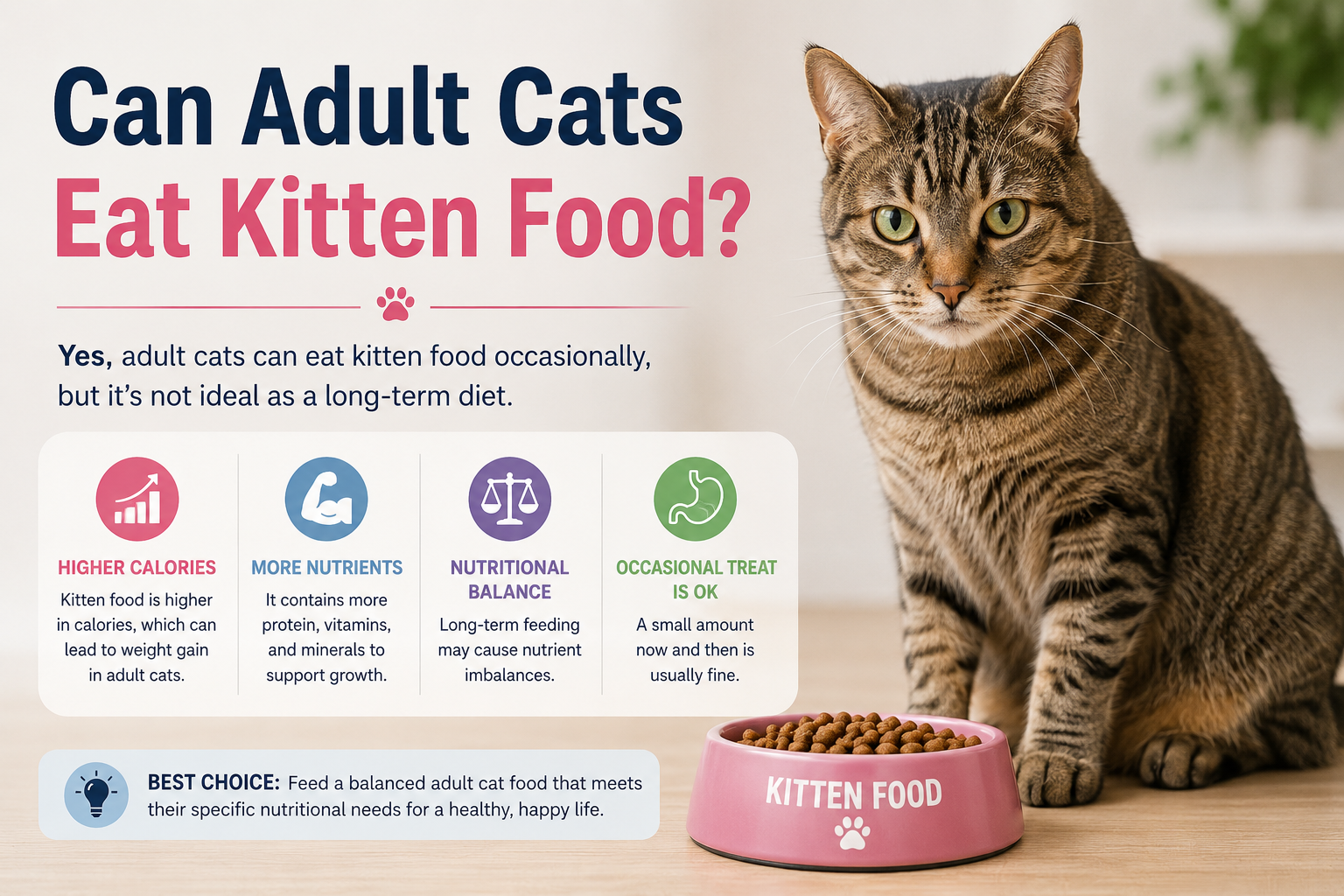
Adult cat and kitten food refer to the different nutritional needs between grown cats and young kittens. Kitten food contains more calories, protein, and fat to support growth and energy. Adult cats can eat kitten food sometimes, but regular feeding may cause weight gain. Adult cats need balanced food made for their age and activity level.
What Is Kitten Food?
Kitten food is special cat food made for young cats under one year old. Kittens grow very fast during the first year of life. Their bodies need more energy and nutrients than adult cats.
Kitten food usually contains:
- More protein
- More fat
- Higher calories
- Extra vitamins and minerals
- DHA for brain and eye growth
- Calcium for bones and teeth
These nutrients help kittens grow strong muscles, healthy organs, and a strong immune system.
Can Adult Cats Eat Kitten Food?
Yes, adult cats can eat kitten food in small amounts or for a short period. Most healthy adult cats will not face problems after eating it occasionally. However, kitten food should not replace regular adult cat food for long-term feeding unless a veterinarian suggests it.
Kitten food contains high calories and fat. Adult cats do not need the same energy level as kittens. Too much kitten food may lead to weight gain and health issues in adult cats.
Why Adult Cats Love Kitten Food
Many owners notice that adult cats seem obsessed with kitten food. Several factors explain this behavior.
Richer Aroma
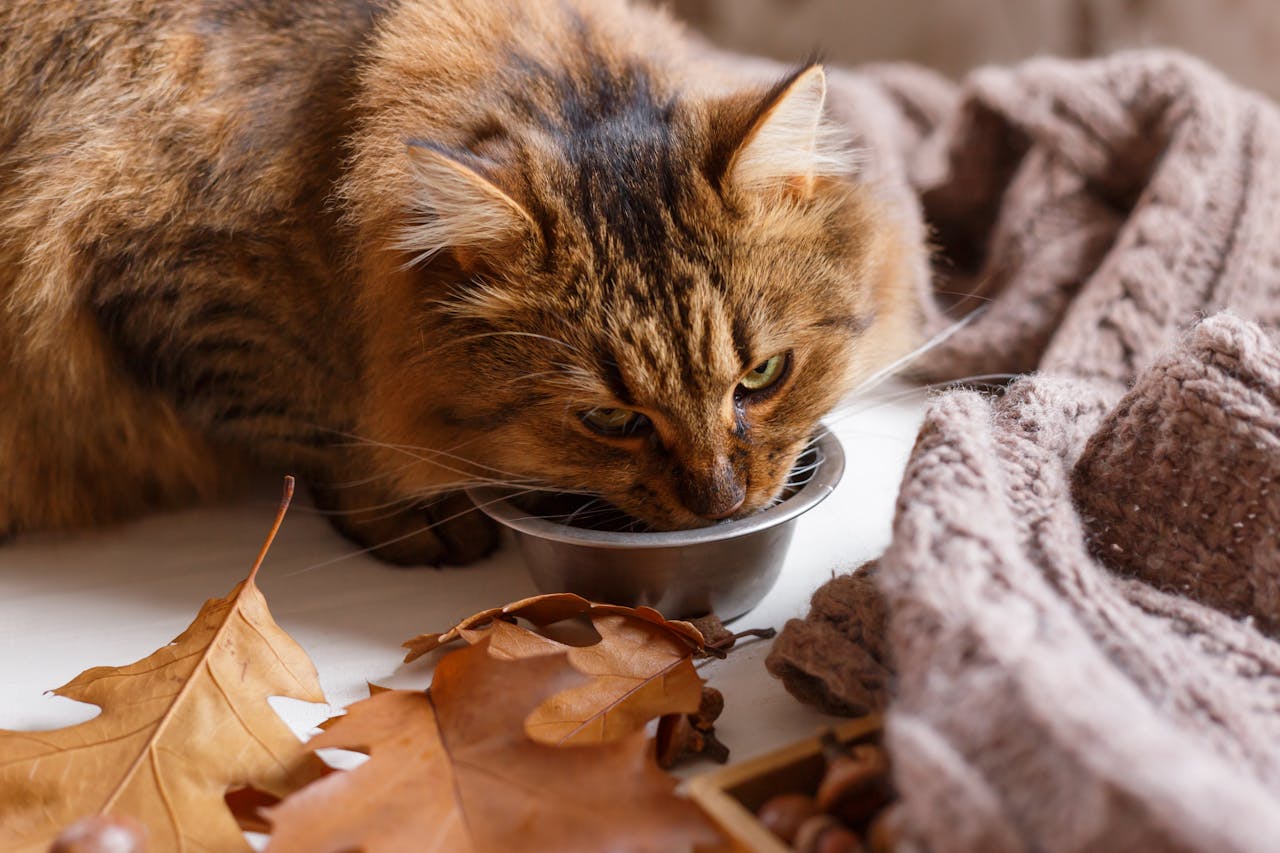
Kitten food contains strong meat smells and richer ingredients that attract adult cats. Cats depend heavily on scent when choosing food during daily feeding times.
Higher Fat Content
Higher fat levels give kitten food a richer taste and smoother texture. Many adult cats naturally enjoy calorie-dense foods with stronger flavor and smell.
Softer Texture
Wet kitten food often feels softer and smoother than regular adult cat food. Some adult cats prefer this texture because it feels easier to chew.
Instinctive Preference
Cats naturally seek high-energy foods for survival and strength. Kitten food matches this instinct because it contains concentrated calories, protein, fat, and nutrients for growth.
Situations Where Kitten Food May Help Adult Cats
Although adult cats should not rely on kitten food permanently, certain situations may benefit from it.
Pregnant Cats
Pregnant cats require significantly more calories to support developing kittens. Veterinarians often recommend kitten food during pregnancy because it provides extra energy and nutrients.
Nursing Cats
Mother cats burn large amounts of energy while producing milk. Kitten food helps support milk production and body recovery after birth.
Underweight Adult Cats
Thin cats recovering from stress, illness, or poor appetite sometimes need calorie-dense meals. Kitten food may help them regain a healthy weight under veterinary supervision.
Sick Cats With Poor Appetite
Ill cats sometimes refuse regular food but accept kitten food because of its rich smell and flavor. Veterinarians may suggest temporary kitten food feeding during recovery periods.
Nutritional Difference Between Kitten Food and Adult Cat Food
Higher Calories
Kitten food contains more calories per serving because kittens grow quickly and stay active throughout the day. Adult cats usually require a lower calorie intake daily.
More Protein
Protein supports muscle growth, tissue repair, and healthy development in kittens. Adult cats still need protein, but growing kittens require much higher amounts.
Extra Fat
Fat gives kittens energy for daily activity and healthy brain development. Excess fat intake may increase weight gain and obesity risk in adult cats.
Added Nutrients
Kitten food includes extra nutrients like DHA, calcium, and phosphorus. These nutrients support strong bones, healthy teeth, brain growth, and body development in kittens.
Risks of Feeding Kitten Food to Adult Cats
Adult cats may face health issues if they eat kitten food every day without proper portion control.
Weight Gain
Kitten food contains more calories than adult cat food. A less active adult cat may gain weight quickly.
Digestive Upset
Some adult cats develop vomiting or diarrhea after sudden food changes. Gradual transitions help avoid stomach issues.
Nutritional Imbalance
Adult cats need balanced maintenance nutrition. Long-term kitten food feeding may provide excess nutrients that adult cats do not need.
Health Risks in Special Cases
Cats with kidney disease, diabetes, or obesity often require special diets. High-calorie kitten food may worsen some medical conditions.
Tips for Feeding Cats of Different Ages
- Feed kittens in a separate room
- Use scheduled meal times instead of free feeding
- Place kitten food in elevated areas if adult cats cannot jump easily
- Monitor each cat during meals
- Remove leftover food after feeding time
These steps help kittens receive proper nutrition while preventing overeating in adult cats.
How Long Should Cats Eat Kitten Food?
Most kittens eat kitten food until around 12 months old. Some large cat breeds grow more slowly and may need kitten food for a longer period.
After the growth stage ends, cats usually transition to adult cat food.
Signs Your Adult Cat Eats Too Much Kitten Food
Watch for these common signs:
- Rapid weight gain
- Less activity
- Vomiting
- Loose stool
- Increased body fat around the stomach
- Difficulty jumping or running
A healthy adult cat should maintain a lean and active body condition.
How to Transition an Adult Cat Back to Adult Food
Some adult cats become attached to kitten food because of the rich taste. Gradual changes help avoid stress and digestive problems.
Transition Steps
| Day | Kitten Food | Adult Food |
| 1–2 | 75% | 25% |
| 3–4 | 50% | 50% |
| 5–6 | 25% | 75% |
| 7 | 0% | 100% |
Common Myths About Kitten Food
Many people believe kitten food offers better quality for all cats, but it mainly contains extra nutrients for growth. Some think adult cats can always eat kitten food safely. Others believe kitten food builds more strength. In reality, extra calories may cause unhealthy weight gain in inactive adult cats instead of improving muscle growth.
Conclusion
Adult cats can eat kitten food occasionally, but regular feeding may cause weight gain and nutritional imbalance. Kitten food supports growth, energy, and development in young cats. Healthy adult cats usually need balanced adult cat food that matches their age, activity level, and overall health needs for long-term wellness.