Learn which essential oils are safe for dogs and cats, which oils are toxic, poisoning symptoms, and essential safety tips for pet owners.
Essential oils are highly concentrated natural extracts obtained from plants, flowers, leaves, bark, roots, and seeds. They capture a plant’s fragrance and beneficial compounds and are commonly used in aromatherapy, skincare, cleaning products, and wellness practices. Because they are potent, essential oils should always be used carefully and properly diluted.
Why Essential Oils Can Be Dangerous for Pets
Essential oils are highly concentrated plant extracts. Their strong chemical compounds can affect pets through:
- Inhalation from diffusers
- Skin contact
- Grooming and licking contaminated fur
- Accidental ingestion
- Exposure to spilled oils
Cats are particularly sensitive because their livers lack certain enzymes needed to break down many compounds found in essential oils. Dogs generally tolerate some oils better than cats, but they can still experience toxic reactions.
Essential Oils Most Commonly Linked to Toxicity in Dogs
Tea Tree (Melaleuca)
Tea tree oil can be highly toxic to dogs. Even small amounts may cause weakness, tremors, vomiting, poor coordination, and serious neurological problems requiring veterinary care.
Pennyroyal
Pennyroyal oil contains compounds that can damage the liver and nervous system. Dogs exposed to it may experience vomiting, lethargy, and severe poisoning symptoms.
Wintergreen
Wintergreen oil contains methyl salicylate, which is similar to aspirin. Ingestion or exposure may lead to digestive upset, breathing issues, and toxicity in dogs.
Sweet Birch
Sweet birch oil is rich in methyl salicylate and can be dangerous for dogs. Exposure may cause vomiting, weakness, and potentially serious health complications.
Pine
Pine oil may irritate a dog’s skin, respiratory tract, and digestive system. Large exposures can cause lethargy, drooling, and breathing discomfort.
Cinnamon
Concentrated cinnamon oil can irritate a dog’s mouth, skin, and respiratory system. Excessive exposure may lead to discomfort, coughing, and digestive issues.
Clove
Clove oil contains eugenol, a compound that may harm the liver in dogs. Symptoms can include vomiting, drooling, and weakness after exposure.
Eucalyptus
Eucalyptus oil can cause drooling, vomiting, diarrhea, and breathing difficulties in dogs. Concentrated exposure may result in more severe toxic reactions.
Peppermint (High Concentrations)
Highly concentrated peppermint oil may irritate a dog’s respiratory system and digestive tract. Sensitive dogs can develop coughing, vomiting, or lethargy.
Citrus Oils
Highly concentrated citrus oils may cause skin irritation, digestive upset, and nervous system effects in dogs. Products containing strong citrus extracts require caution.
Essential Oils Most Commonly Linked to Toxicity in Cats
Tea Tree (Melaleuca)
Tea tree oil is extremely toxic to cats. Even limited exposure may cause tremors, weakness, difficulty walking, and potentially life-threatening neurological symptoms.
Wintergreen
Wintergreen oil contains compounds that cats cannot process efficiently. Exposure can result in vomiting, breathing problems, lethargy, and serious toxicity requiring veterinary attention.
Sweet Birch
Sweet birch oil poses significant risks to cats due to its methyl salicylate content. Even small amounts may lead to poisoning symptoms.
Pennyroyal
Pennyroyal oil can cause severe liver damage in cats. Exposure may trigger vomiting, weakness, loss of appetite, and potentially fatal complications.
Pine
Pine oil may irritate a cat’s respiratory system and skin. Significant exposure can contribute to digestive upset and toxic reactions.
Eucalyptus
Eucalyptus oil is considered unsafe for cats. Inhalation, ingestion, or skin exposure may lead to drooling, weakness, and breathing difficulties.
Cinnamon
Cinnamon oil contains compounds that cats struggle to metabolize. Exposure may cause irritation, digestive upset, liver stress, and other health concerns.
Clove
Clove oil contains eugenol, which can be harmful to feline liver function. Cats exposed may develop vomiting, lethargy, and weakness.

Peppermint (Concentrated Exposure)
Concentrated peppermint oil may cause respiratory irritation and neurological symptoms in cats. Direct exposure should be avoided to reduce health risks.
Highly Concentrated Citrus Oils
Cats are particularly sensitive to concentrated citrus oils. Exposure may cause drooling, digestive upset, skin irritation, and nervous system problems.
Ylang Ylang
Ylang ylang oil is considered potentially toxic to cats. Exposure may affect the nervous system, causing symptoms such as weakness, vomiting, and other adverse reactions.
Why Essential Oils Affect Pets Differently
Dogs and cats process chemicals differently from humans. Their bodies lack some of the enzymes needed to break down compounds found in essential oils.
Cats are particularly sensitive because their liver has a limited ability to metabolize certain substances. Dogs are generally more tolerant but can still experience adverse reactions if exposed to unsafe oils or excessive amounts.
Factors that influence essential oil safety include:
- Pet species
- Age
- Weight
- Overall health
- Existing respiratory conditions
- Method of exposure
- Concentration of the oil
Even oils considered safe should be used carefully and in moderation.
Signs of Essential Oil Toxicity in Pets
Recognizing the symptoms of essential oil poisoning is crucial for protecting your pet’s health. Common warning signs include excessive drooling, vomiting, diarrhea, weakness, tremors, difficulty walking, loss of appetite, and breathing problems.
Some pets may also develop skin irritation or become unusually lethargic. Severe cases can result in seizures and require immediate emergency veterinary care.
How to Use Essential Oils Safely Around Dogs and Cats
The safest approach is to use essential oils sparingly and responsibly. Always choose high-quality products, follow proper dilution guidelines, and avoid known toxic oils.
Store essential oils securely out of reach of pets and ensure good ventilation whenever oils are diffused. Monitoring your pet’s behavior after introducing a new scent can help identify potential sensitivities before they become serious.
Benefits of Responsible Essential Oil Use in Pet Homes
When used correctly, essential oils can contribute to a pleasant and relaxing home environment. Mild pet-friendly oils may help reduce household odors, support relaxation, and enhance overall comfort for family members. Responsible use allows pet owners to enjoy aromatherapy while minimizing potential risks to their dogs and cats.
Essential Oil Safety in Multi-Pet Households
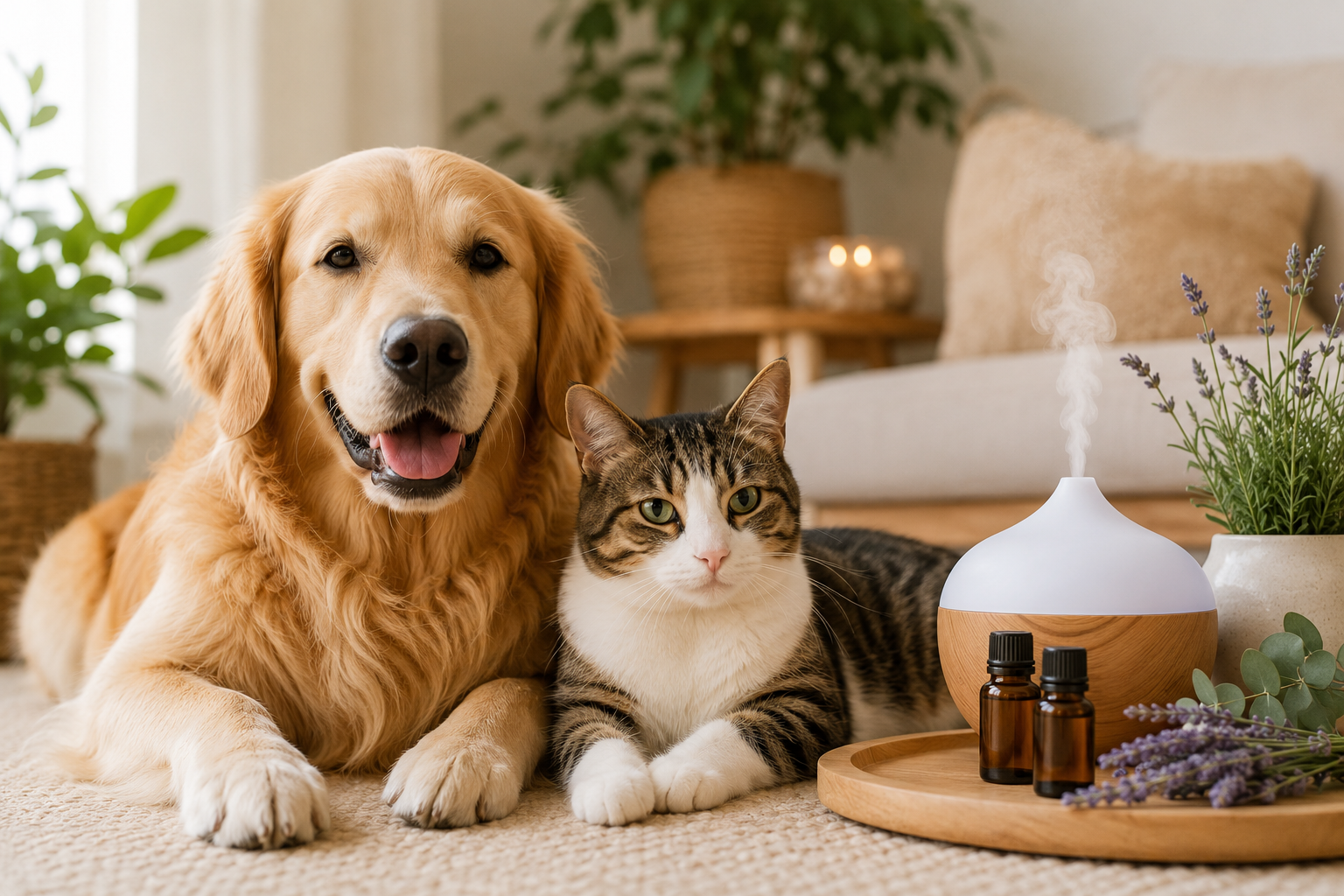
Homes with both dogs and cats require extra caution because cats are generally more sensitive to essential oils. Pet owners should choose products based on feline safety standards and avoid oils known to be harmful to either species. Lower concentrations, shorter diffusion times, and careful observation are especially important in multi-pet households.
When Should You Contact a Veterinarian?
Immediate veterinary assistance is recommended if a pet ingests essential oil, develops breathing difficulties, experiences neurological symptoms, or shows signs of poisoning.
Quick treatment can significantly improve the outcome and prevent serious complications. If you are unsure whether a product is safe, consulting your veterinarian before use is always the best course of action.
Conclusion
Essential oils can be beneficial in pet-friendly homes when used responsibly, but many oils pose serious risks to dogs and cats. Understanding toxic oils, recognizing poisoning symptoms, and following proper safety precautions can help protect your pets while allowing you to enjoy the benefits of aromatherapy safely.