Why do cats hate water? Discover 6 scientific reasons behind feline water aversion, why some cats like water, bath tips, and answers to common FAQs.
Cats and water have a unique relationship that varies from one feline to another. While many domestic cats dislike getting wet due to their instincts, wet fur, and sensitivity to unfamiliar sensations, some breeds and individual cats enjoy playing with or swimming in water. Their behavior is influenced by genetics, environment, personality, and early life experiences.
Why Do Cats Hate Water?
6 reasons why cats hate water
1. Evolutionary Background
Domestic cats evolveom wildcats that lived in desert regions with little exposure to rivers or lakes. Because water was rarely part of their environment, they never developed a natural comfort with swimming or frequent bathing, unlike some other animals.
2. Loss of Control
Cats enjoy feeling in control of their surroundings and movements. During a bath, they often feel restrained and unable to escape, which creates stress and anxiety. This lack of control makes many cats fearful and resistant to water.
3. Bad for Their Skin
Frequent bathing can strip away the natural oils that protect a cat’s skin and coat. These oils keep the fur healthy, soft, and water-resistant. Losing them may cause dryness, irritation, and an uncomfortable feeling after bathing.
4. Temperature Regulation
A cat’s fur provides insulation that helps maintain a stable body temperature. When the coat becomes soaked, it loses this insulating ability, making the cat feel cold and uncomfortable until completely dry, especially in cooler environments.
5. Sense of Smell
Cats rely heavily on their keen sense of smell to recognize their surroundings and communicate. Water and scented shampoos can wash away their familiar scent, leaving them feeling confused, uncomfortable, and less secure in their environment.
6. Negative Experiences
A frightening bath, accidental fall into water, or rough handling during grooming can create lasting fear. Cats remember stressful experiences well, so even one unpleasant encounter with water may lead to lifelong avoidance and anxiety.
Why Some Cats Are Fascinated by Dripping Water (But Still Hate Baths)
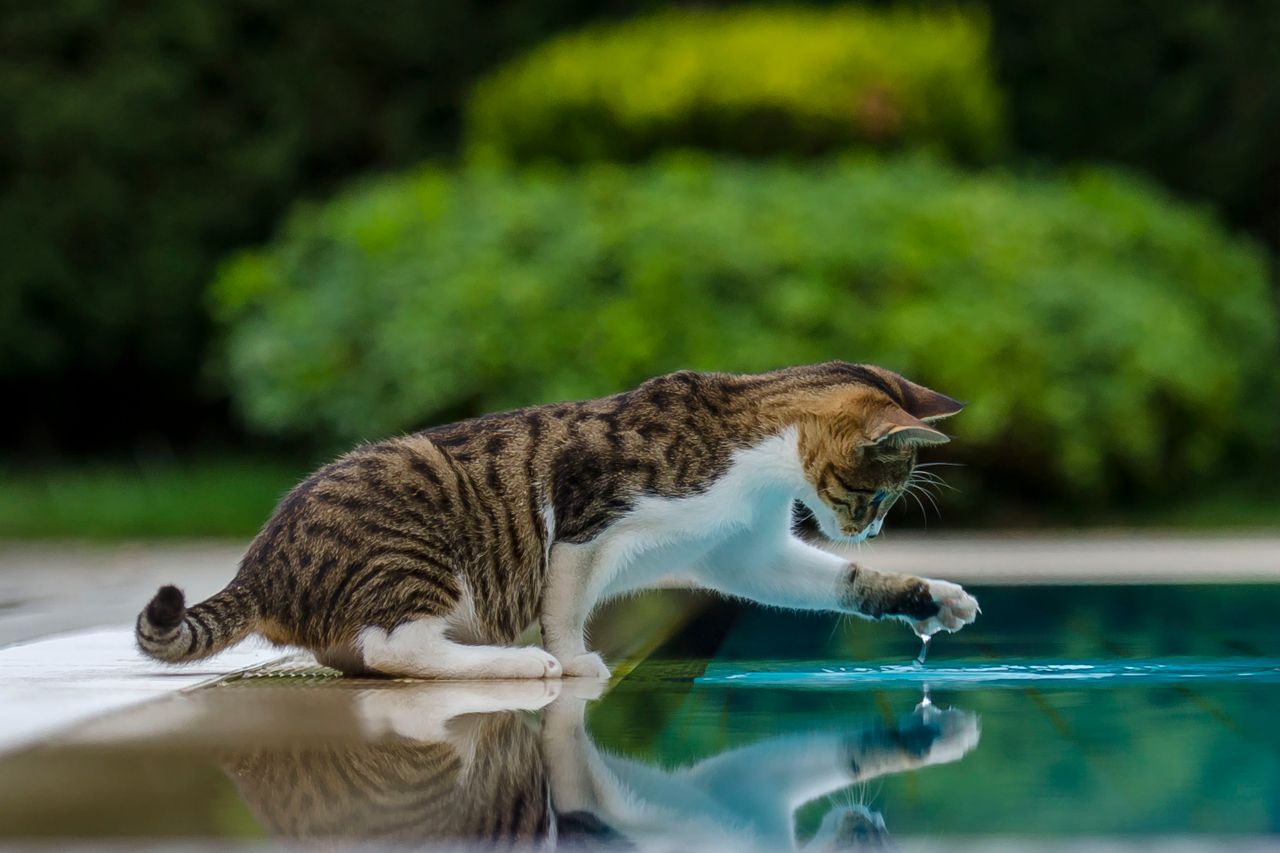
It’s common to see a cat bat at a dripping faucet or stare intently into a running tap, which seems contradictory. This isn’t really a contradiction:
- Moving water is a curiosity trigger and a prey-like stimulus. Cats are drawn to movement, and a dripping faucet mimics the visual unpredictability of prey.
- Fresh, moving water may also be perceived as cleaner than standing water in a bowl, which is one theory behind why some cats prefer to drink from faucets.
- Watching or pawing at water is entirely different from being submerged in it. The former is on the cat’s terms and doesn’t involve wet fur, restraint, or loss of control; the latter involves all three.
How to Make Bath Time Less Stressful for Your Cat
If your cat needs occasional baths (for medical reasons, extreme mess, or flea treatment), these strategies can reduce stress:
- Start young, if possible. Gentle, positive exposure during kittenhood makes a major difference.
- Use lukewarm water. Cold water increases discomfort and heat loss.
- Minimize water noise. Fill the basin before bringing the cat in, rather than running the tap during the bath.
- Support the cat’s footing. A non-slip mat reduces the feeling of instability that heightens panic.
- Keep sessions short and calm. Long, drawn-out baths increase stress; efficient, gentle handling reduces it.
- Reward afterward. Treats, praise, and a warm towel help build a positive association over time.
- Consider alternatives when appropriate. Waterless cat shampoos, grooming wipes, and regular brushing can reduce the need for full baths in many cases.
Fun Facts About Cats and Water
- Cats groom themselves several times daily.
- Some cats enjoy drinking from running faucets.
- Not every wild cat avoids water.
- Tigers are excellent swimmers.
- Jaguars frequently hunt in rivers.
- Fishing cats catch fish using specialized hunting techniques.
- Domestic cats inherited many instincts from their desert ancestors.
- Water-loving cat breeds remain relatively uncommon.
Why Some Cats Like Running Water
Many cats prefer moving water over still water because:
- It appears fresher.
- Flowing water contains more oxygen.
- Instinct tells them stagnant water may be unsafe.
- Movement naturally attracts feline curiosity.
This explains why some cats drink directly from faucets.
Common Myths About Cats and Water
Myth 1: Every Cat Hates Water
This is a common misconception. While many domestic cats avoid getting wet, some breeds and individual cats enjoy playing in water or even swimming, depending on their personality and early experiences.
Myth 2: Cats Never Need Baths
Although cats groom themselves regularly, they sometimes need baths. Medical treatments, flea infestations, exposure to toxic substances, or excessive dirt can make bathing necessary for their health and well-being.
Myth 3: Cats Can’t Swim
Cats are natural swimmers and can swim when necessary for survival. However, most domestic cats prefer avoiding deep water because they dislike wet fur and the discomfort it causes afterward.
Myth 4: Water Is Dangerous for Cats
Water itself is not dangerous for healthy cats. The real concern is stress, cold temperatures, or improper bathing methods. With gentle handling and warm water, bathing can be safe when needed.
FAQs
Do all cats hate water?
No. While most domestic cats show aversion, breeds like the Turkish Van, Maine Coon, and Bengal often tolerate or even enjoy water, and individual cats vary based on early exposure and personality.
Can I train my cat to like water?
Yes, to an extent. Gradual, positive exposure — especially starting in kittenhood — using warm water, treats, and short sessions can meaningfully improve a cat’s tolerance over time.
Is it bad to bathe a cat?
Cats are largely self-grooming and don’t need regular baths under normal circumstances. However, baths may be necessary for medical treatments, severe messes, or certain skin conditions, and can be done safely with the right approach.
Conclusion
Most cats dislike water because of their evolutionary history, sensitivity to wet fur, loss of control, temperature changes, and negative past experiences. However, every cat is different. Understanding your feline’s instincts and using gentle, stress-free handling can make necessary baths easier while strengthening the bond between you and your pet.